































































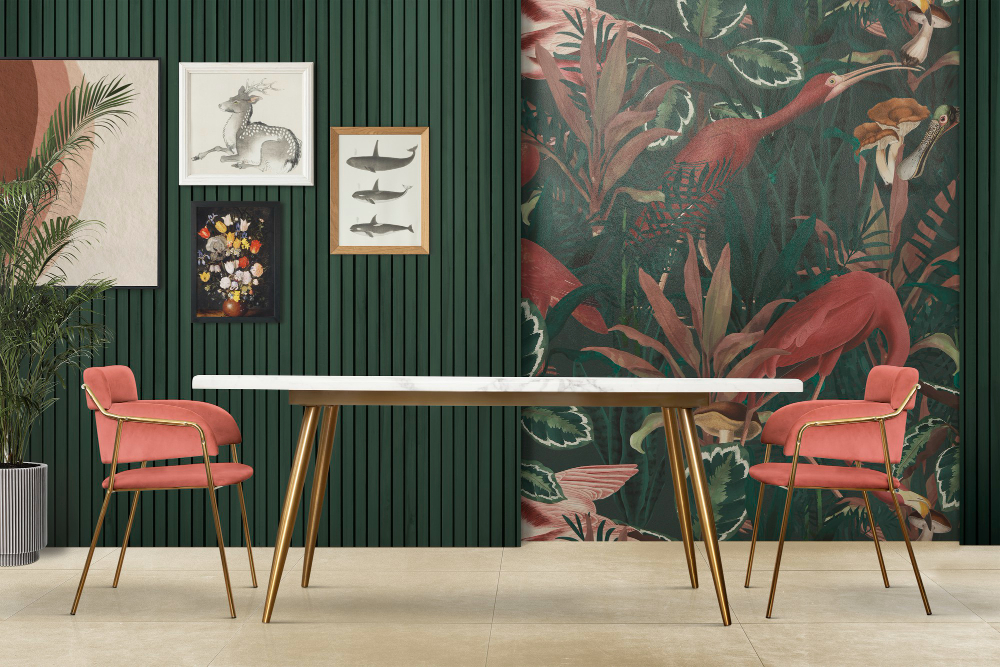

The way people approach interior design is changing. Rather than following a single trend or copying a showroom look, homeowners are increasingly focused on creating spaces that reflect their individual tastes, lifestyles, and practical needs. This shift has made customisation one of the most influential forces in modern interior design.
From bespoke storage solutions to tailored colour palettes, homeowners are seeking greater control over how their spaces look and function. The trend reflects broader changes in consumer behaviour, where personalisation has become an expectation across multiple industries, from fashion and technology to home improvement.
Interior design professionals say this movement is not simply about aesthetics. It is also driven by a desire to create homes that feel unique, comfortable, and better suited to everyday living.


Homeowners Are Moving Beyond One-Size-Fits-All Design
For many years, home improvement projects often followed predictable patterns. Popular design trends would dominate magazines and television programmes, encouraging homeowners to replicate a particular style.
Today, the approach is noticeably different. While trends still influence purchasing decisions, many homeowners are adapting them to suit their own preferences rather than following them exactly.
This can be seen in the growing demand for custom cabinetry, made-to-measure furniture, personalised colour schemes, and carefully selected architectural details. Even relatively small features such as skirting board styles are increasingly being chosen to complement the overall character of a property rather than simply serving a practical purpose.
The result is a more thoughtful approach to design, where every element contributes to a cohesive and personal living environment.
The Influence of Social Media and Digital Inspiration
The rise of digital platforms has transformed how people gather design inspiration. Homeowners now have access to thousands of real-life renovation projects, design showcases, and professional portfolios from around the world.

Platforms such as Pinterest and Instagram have exposed consumers to a wider variety of design possibilities than ever before. Instead of selecting from a limited number of mainstream styles, homeowners can explore contemporary, traditional, Scandinavian, industrial, farmhouse, and hybrid interiors before deciding what suits their own tastes.
This abundance of inspiration has encouraged people to move away from standardised designs and pursue more individual solutions. Rather than recreating a single look, many homeowners now combine influences from different styles to create something distinctive.
Functionality Is Driving Personalisation
Customisation is not solely about appearance. Practical considerations are equally important.
Changes in working habits, family structures, and daily routines have created new demands within the home. Many households now require spaces that can perform multiple functions throughout the day.
A spare room may operate as a home office, guest bedroom, and study area. Open-plan living spaces often need clearly defined zones for work, relaxation, dining, and entertainment.
These changing requirements have increased demand for customised layouts, fitted furniture, and storage solutions designed around specific needs.
Interior designers frequently note that successful projects begin by understanding how a household uses a space rather than focusing exclusively on visual trends. This practical approach naturally leads to more personalised outcomes.
Architectural Details Are Receiving Greater Attention
One of the more interesting developments in recent years is the growing appreciation for architectural detailing.
Features that were once considered secondary considerations are now playing a larger role in renovation projects. Skirting boards, architraves, wall panelling, ceiling mouldings, and bespoke joinery are increasingly viewed as opportunities to introduce personality and character.
In period properties, homeowners often restore original details to preserve historical charm. In newer homes, architectural features can be added to create depth and visual interest where none previously existed.
This attention to detail reflects a broader understanding that design quality is often determined by the finishing touches rather than the most expensive purchases.
Quality Is Becoming More Important Than Quantity
The shift towards customisation also aligns with changing attitudes towards consumption.
Rather than frequently replacing furniture and décor items, many homeowners are investing in fewer pieces of higher quality. This mindset encourages more deliberate purchasing decisions and greater consideration of long-term value.
Bespoke furniture, handcrafted materials, and tailored design features often cost more initially, but they are typically chosen with longevity in mind.
Property experts have observed a similar trend in renovation spending. Homeowners increasingly prefer improvements that enhance both appearance and functionality over purely decorative upgrades that may quickly feel dated.
As a result, customisation is becoming associated with durability, craftsmanship, and lasting appeal.
Developers and Manufacturers Are Responding
The growing demand for personalised interiors has not gone unnoticed by the home improvement industry.
Manufacturers now offer a wider range of finishes, materials, colours, and dimensions than in previous decades. Flooring, cabinetry, doors, and architectural components can often be customised to suit specific design requirements.
Property developers have also begun incorporating greater flexibility into residential projects. Buyers of new-build homes are increasingly offered choices regarding finishes, fixtures, and layouts before construction is completed.
This reflects a recognition that consumers no longer want homes that feel identical to those of their neighbours. Personalisation has become a valuable selling point across the housing sector.
The Emotional Value of a Personalised Home
Beyond design and practicality, there is an emotional dimension to customisation.
People spend a significant portion of their lives at home, and many want their surroundings to reflect their identity, interests, and experiences. A personalised environment often creates a stronger sense of comfort and connection than one designed purely around current trends.
Interior designers frequently describe the most successful projects as those that tell a story about the people who live there. Whether through carefully chosen materials, meaningful decorative elements, or bespoke architectural features, personalised design helps create spaces with character and authenticity.