





















































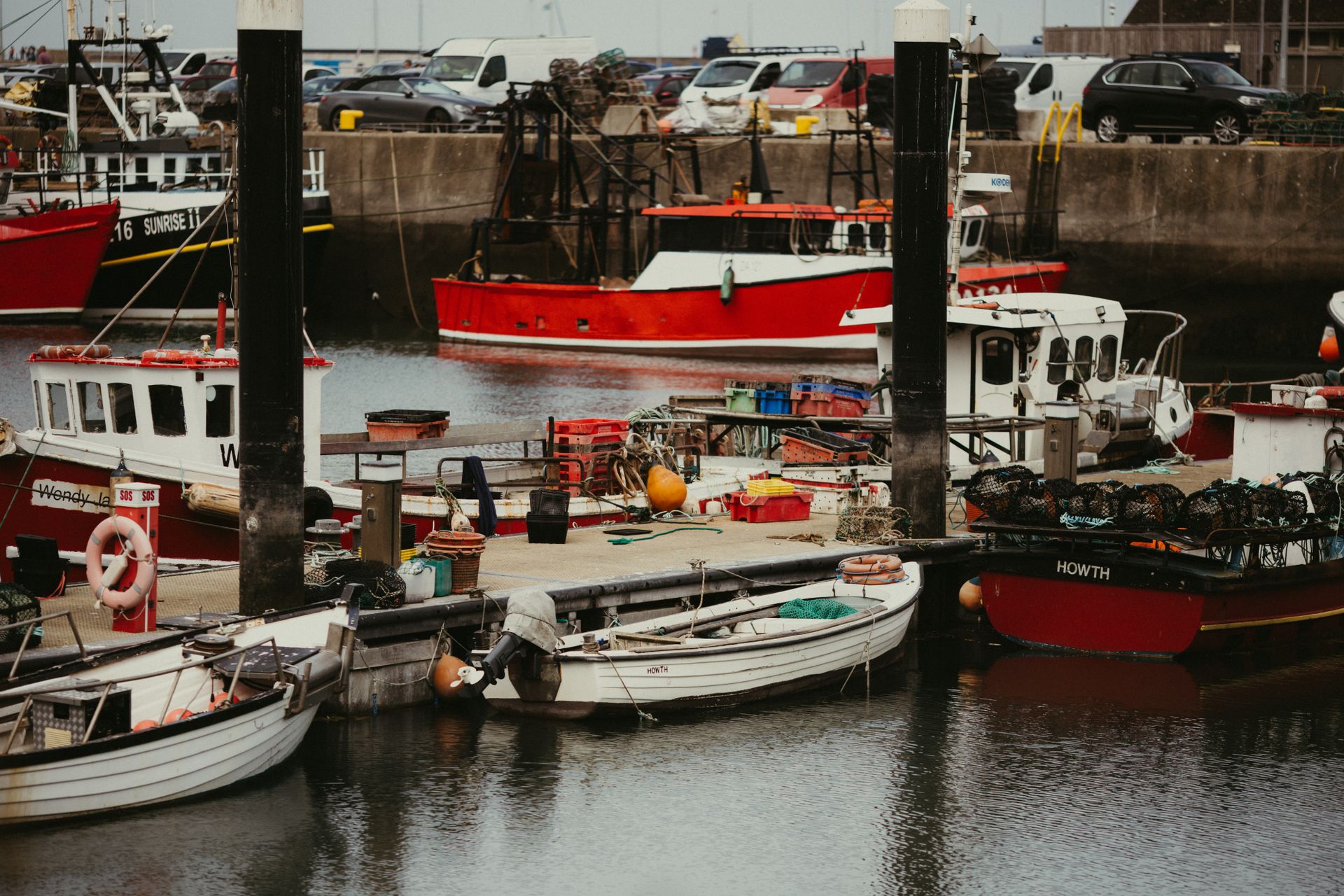

By late October the queue for chips has thinned, the ice cream kiosk shutters go down, and the harbour wall belongs again to the people who work it. The postcard version of a fishing village disappears almost overnight, and something older, quieter and much busier in a practical sense takes its place.
But the rhythm of the harbour changes because the audience has gone home, and with that change comes maintenance, repair, paperwork, weather planning, and the slow reshaping of a working waterfront for the darker months.
For those who live nearby, the off-season is also when the indoor economy takes over. Cafes open shorter hours, community halls fill up, and screen habits shift: some adults settle in for long football evenings, others browse streamed variety formats like crazy time india out of curiosity about how a studio show is produced, and the harbour outside carries on regardless. The bulk of the winter, though, is spent on the water and the wood and the concrete.


The Working Day Reclaims the Quay
Once the visitor footfall drops, skippers stop having to manoeuvre round selfie sticks and dogs on long leads. Landing times move earlier, unloading is quicker, and the fish merchant vans can reverse right up to the slipway without a queue building behind them.
The catch mix also shifts. Summer crabs and lobsters give way to whelk, cuttlefish later in winter, and whatever inshore whitefish the weather allows.
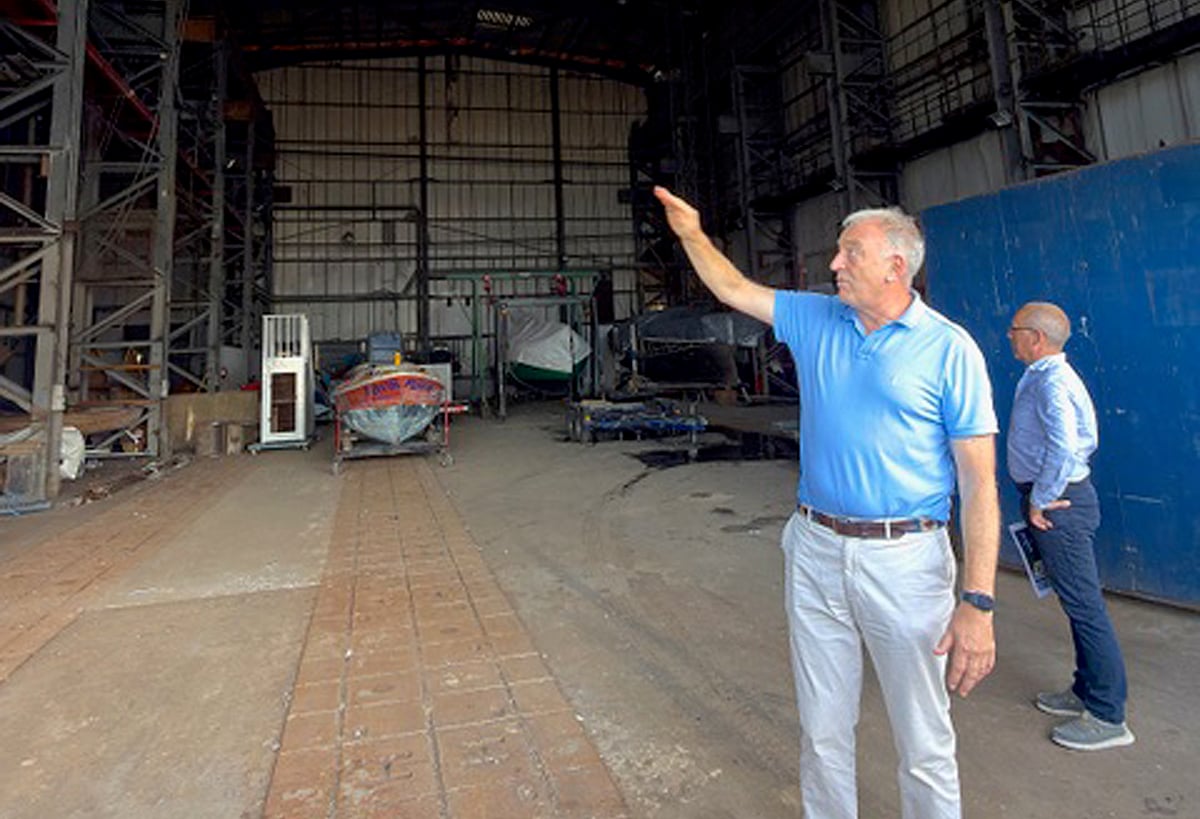
- Refitting and Antifouling. Hulls come out on the slip or the boat hoist for antifouling, anode replacement and gearbox checks.
- Gear Rotation. Pots are sorted, rebaited, and often re-roped. Nets get mended on the quay in the low light.
Infrastructure Repairs the Summer Wore Out
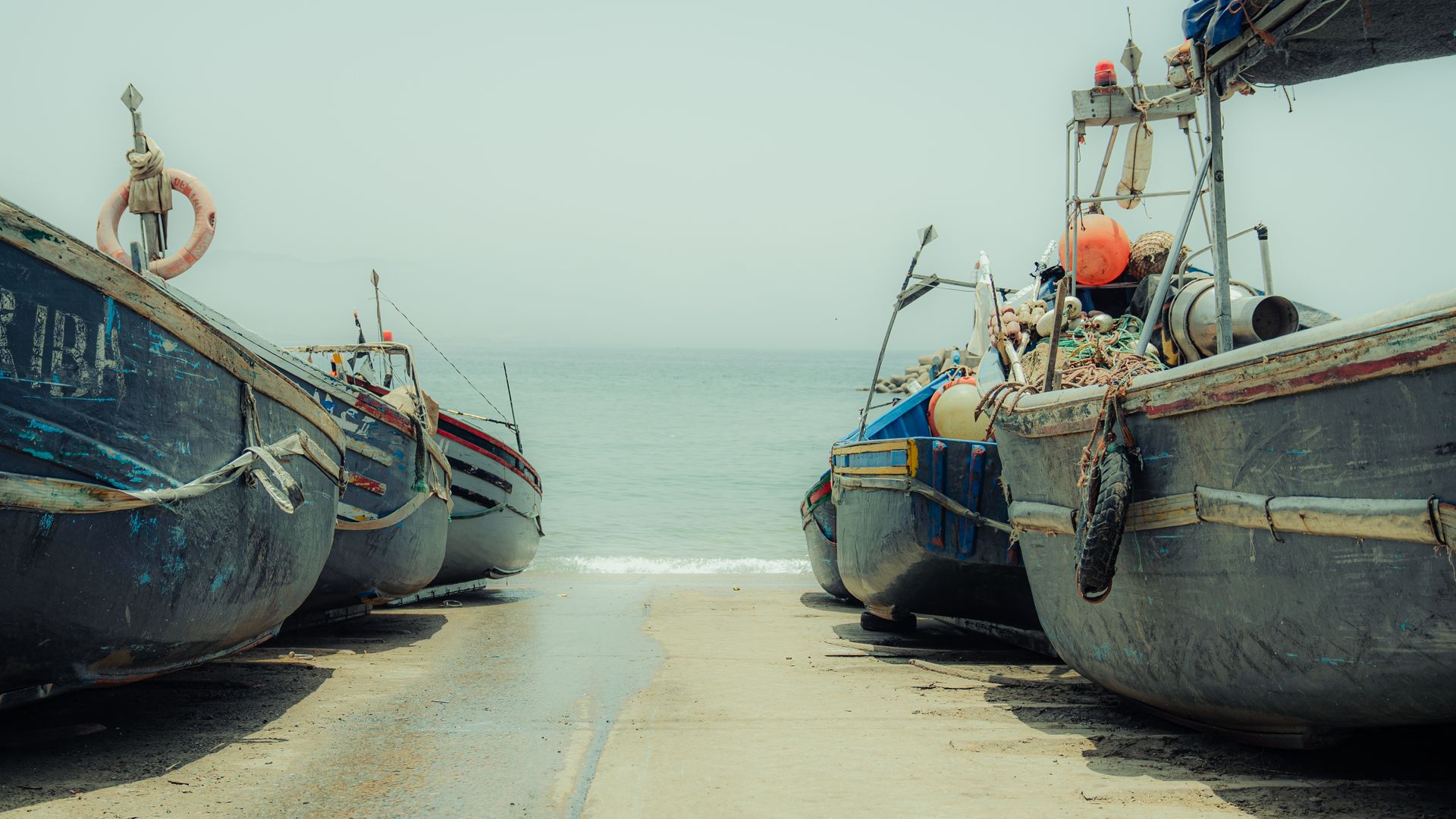
Harbour walls, pontoons and fendering take a beating between May and September. Once the moorings empty, the harbour master can finally get contractors onto the structures that were unreachable while everything was in use.
Grants and inshore fisheries funding often dictate the timetable. Work has to be scoped, tendered and completed before the next season, so autumn is when the clipboards come out and the divers go down to inspect piling.

- Timber fendering replaced where summer berthing chewed it up
- Slipway concrete patched before winter frost widens the cracks
- Navigation lights and leading marks serviced ahead of shorter days
- Silt surveys booked so dredging windows can be planned
- Public safety ladders and grab lines checked one by one
Safety, Weather and the People Who Stay Out
Winter fishing is unforgiving. The lifeboat station and coastguard rescue teams move into their busiest operational tempo just as the town looks emptiest, which is a contrast most visitors never see. Volunteer training, kit inspection and joint exercises run through the darker months, funded and coordinated by the RNLI alongside HM Coastguard, with the scale of that work set out in the annual reports and statistics.
Reading the Forecast Properly
Skippers learn to read more than the wind arrows. Swell period, tide against wind, and the timing of a front matter more than the headline speed. A Force 5 on a slack tide is workable; the same Force 5 against a spring ebb is not.
Quota and Compliance Paperwork
Off-season is also when the admin catches up. Landings declarations, gear marking, and licence renewals are managed through the Marine Management Organisation, and inshore boats have their own regional byelaws to keep pace with.
The Village Around the Harbour Changes Too
Fishmongers pivot to local trade rather than tourist trade, and the price boards in the window get shorter and more honest. Pubs that survived on holiday covers now depend on darts nights, quiz nights and Sunday lunches booked by name.
Community groups reappear. Gig rowing crews start their winter training, the sailing club runs frostbite series, and the RNLI shop volunteers count stock.
Why the Quiet Months Decide the Loud Ones
Every harbour that looks polished in July was rebuilt in November. The pontoons, the paint, the pot stacks, the crew fitness and the paperwork all come out of the off-season, and any village that treats winter as downtime pays for it the following summer. Watching a working harbour in the cold months is one of the more honest views of coastal life on offer.