












































Scotland is a land of captivating beauty that captures the imagination of travellers from around the world. With its dramatic landscapes, rich history, and vibrant culture, it’s no wonder that this enchanting country is a must-see destination for tourists.
In this ultimate guide to visiting Scotland from https://privatetoursscotland.com/ , we will share our top travel tips and recommendations, from exploring iconic castles to discovering hidden gems off the beaten path. We will help you make the most of your trip, ensuring an unforgettable journey through this magical land.
Understanding Scotland: Geography and Culture

Scotland is a captivating country, located in the northern part of the United Kingdom. It shares its border with England to the south, and the North Sea to the east, while being surrounded by the Atlantic Ocean to the north and west.
Scotland is known for its rich and diverse landscape. The country consists of three main geographical regions: the Highlands in the north and west, the Central Lowlands in the central belt, and the Southern Uplands in the south. These distinct regions offer breathtaking scenic beauty and diverse outdoor activities for locals and travellers alike.
The culture of Scotland is just as diverse as its geography. Over the centuries, Scotland has been influenced by various cultures, with the main groups being the Picts, Gaels, Britons, and Scandinavians. This multicultural history has shaped the language, arts, literature, and traditions, making it vibrant and unique.
Some of the most famous Scottish cultural elements include:
- Traditional music is known for its distinctive sound of bagpipes and fiddles, with roots in Celtic music tradition.
- Tartan: Each Scottish clan has its own unique tartan pattern, which is used for making kilts and other woven textiles.
- Whisky: Scotland is renowned for its whisky production, with various regions having unique flavours and techniques contributing to the taste of this iconic beverage.
- Literature and arts: Scottish writers and poets, such as Robert Burns and Sir Walter Scott, have made significant contributions to global literature. Moreover, the Edinburgh Festival draws countless visitors each year, showcasing the nation’s rich cultural scene.
As we explore this ultimate guide to visiting Scotland, we will delve deeper into the cities, towns, and attractions that make this land so enchanting and unforgettable.

When to Visit Scotland
Scotland is a fantastic destination all year round, and the best time to visit depends on your preferences. During the spring months from March to May, the weather is mild and the countryside comes alive with colourful flowers. It’s a great season to experience Scotland’s natural beauty and avoid summer crowds.
Summer, from June to August, offers the warmest weather and long daylight hours. This is also the time when the famous Edinburgh Festival Fringe takes place, drawing visitors from around the world. Accommodation may be more expensive and harder to come by during this period, so book in advance.
Autumn, September to November, is another lovely season to visit. The fall foliage creates a picturesque landscape, and temperatures remain pleasant. During this time, there are fewer tourists, making popular attractions more accessible.
In winter, from December to February, prepare for shorter days and colder temperatures, but Scotland offers a unique charm during this season. Celebrate Hogmanay (New Year’s Eve) in style or try winter sports like skiing and snowboarding in the Highlands.
Ultimately, the timing of your visit to Scotland should cater to your interests and priorities.
Visiting Scotland: The Essentials
As you plan your trip to Scotland, there are a few essentials to keep in mind. First, consider the time of year when you want to visit. The weather varies throughout the year, but the most popular months are May to September, during which the days are longer and warmer.
Scotland boasts an extensive public transport system, so getting around should be relatively easy. The main options are trains, buses, and ferries. Hiring a car is also a possibility if you prefer more flexibility and exploring rural areas.
When choosing where to stay, Scotland offers diverse accommodation options. These include hotels, hostels, guest houses, and even unique options like historic castles or remote cottages.
Finally, ensure you’re prepared for the local currency: the pound sterling (£). Many establishments accept credit and debit cards, but carrying some cash is recommended for smaller businesses or rural locations.
With these essentials in mind, you’re ready to embark on your Scottish adventure and explore all that this stunning country has to offer.
Scotland’s Iconic Cities
Edinburgh
Edinburgh, the capital city of Scotland, is an enchanting destination steeped in history. It is split into two distinct areas: the Old Town, dominated by the iconic Edinburgh Castle, and the Georgian-style New Town. We recommend taking a walk along the Royal Mile, exploring Arthur’s Seat, and visiting the National Museum of Scotland. Don’t miss the vibrant atmosphere during the world-famous Edinburgh Festival Fringe in August.
Glasgow
Glasgow, Scotland’s largest city, is a culturally rich and architecturally stunning metropolis. It is home to the renowned Kelvingrove Art Gallery and Museum, as well as the fascinating Riverside Museum of Transport. We also suggest exploring the impressive University of Glasgow, discovering the vibrant West End, and enjoying a concert at the SSE Hydro. For shopping enthusiasts, Buchanan Street offers an unrivalled experience.
Aberdeen
Aberdeen, known as the Granite City, offers a blend of history, culture, and stunning coastal scenery. The city boasts impressive architectural landmarks such as Marischal College, St Machar’s Cathedral, and Union Street. We recommend taking a walk through the picturesque Old Aberdeen, visiting the Aberdeen Maritime Museum, and a trip to the vibrant Union Square shopping centre.
Inverness
Inverness, the capital of the Scottish Highlands, is a city steeped in history and natural beauty. It serves as an ideal base for exploring the famous Loch Ness, searching for its mythical monster, and touring the nearby Culloden Battlefield. Within the city, we suggest visiting Inverness Castle, exploring the Victorian Market, and taking a stroll along the River Ness, which offers stunning views of the cityscape.
Scottish Highlands: A Nature Lover’s Paradise
Ben Nevis
We, the nature enthusiasts, find ourselves in awe of Ben Nevis. Standing at 1,345 metres, it is the tallest mountain in both Scotland and the UK. There is no doubt that this natural marvel is a must-visit spot for those who love breathtaking landscapes and the thrill of hiking. We can choose between two main trails, the Mountain Track and the considerably more challenging North Face. While ascending, the diverse flora and fauna never fail to captivate our senses, leaving an everlasting impression.
Loch Ness
Delving into the Scottish Highlands, we cannot miss out on the mysterious Loch Ness. Famous for its legendary Loch Ness monster tales, this popular freshwater lake is the perfect spot for serene boat cruises and wildlife sightings. The breathtaking view of Urquhart Castle perched on its shores adds an element of historical wonderment. Overall, an idyllic and tranquil destination for us to immerse ourselves in the beauty of nature.
Isle of Skye
The enchanting Isle of Skye ranks high on our must-see list. Three key attractions beckon us to explore and experience the island’s raw natural beauty.
- The Quiraing: A dramatic landscape formed by ancient landslides, ideal for picturesque walks and capturing stunning panoramic photos.
- Fairy Pools: These crystal-clear pools, sheltered by the formidable Cuillin Mountains, are perfect for a refreshing swim in nature’s lap.
- Neist Point: Regarded as the most westerly point of the Isle of Skye, this mesmerising location boasts a towering lighthouse and the opportunity to spot dolphins, whales, and other marine life.
Our journey through the Scottish Highlands provides unforgettable memories of diverse landscapes, abundant wildlife, and captivating natural beauty. Scotland’s charm lies in its ability to turn dreamy, poetic scenes into reality as we lose ourselves in the allure of its magnificent wilderness.
Scotland’s Castles: A Dive into History
Scotland is renowned for its breathtaking landscapes and deep-rooted history. Among the numerous sites to explore, its iconic castles hold a special place in the hearts of both locals and visitors. In this section, we’ll take a closer look at three of Scotland’s most impressive castles.
Edinburgh Castle
Perched atop Castle Rock, Edinburgh Castle has played a pivotal role in Scotland’s history. As we explore the castle grounds, it becomes evident that it has served various purposes, from a royal residence to forming the backdrop for significant battles. Some of the key attractions within the castle include:
- The Royal Palace: Home to the Crown Jewels of Scotland and the Stone of Destiny
- The Great Hall: A remarkable example of medieval architecture, used for hosting grand events
- St. Margaret’s Chapel: The oldest surviving building in Edinburgh, dating back to the 12th century
As we wander through the castle corridors, it’s hard not to be swept away by the tales of its tumultuous past.
Stirling Castle
Stirling Castle, a stronghold of immense strategic importance, stands proudly atop a volcanic rock in the heart of Scotland. Key moments in history unfolded within its walls, such as the Battle of Stirling Bridge and the Battle of Bannockburn. Highlights of the castle include:
- The Royal Apartments: Beautifully restored to their original 16th-century splendour
- The Chapel Royal: A symbol of the Scottish Renaissance, showcasing intricate frescoes
- The Great Kitchens: Offering a glimpse into the culinary world of the past
- The Stirling Tapestries: A stunning collection of hand-woven tapestries
Visiting Stirling Castle provides us with an opportunity to immerse ourselves in Scotland’s dynamic history.
Dunnottar Castle
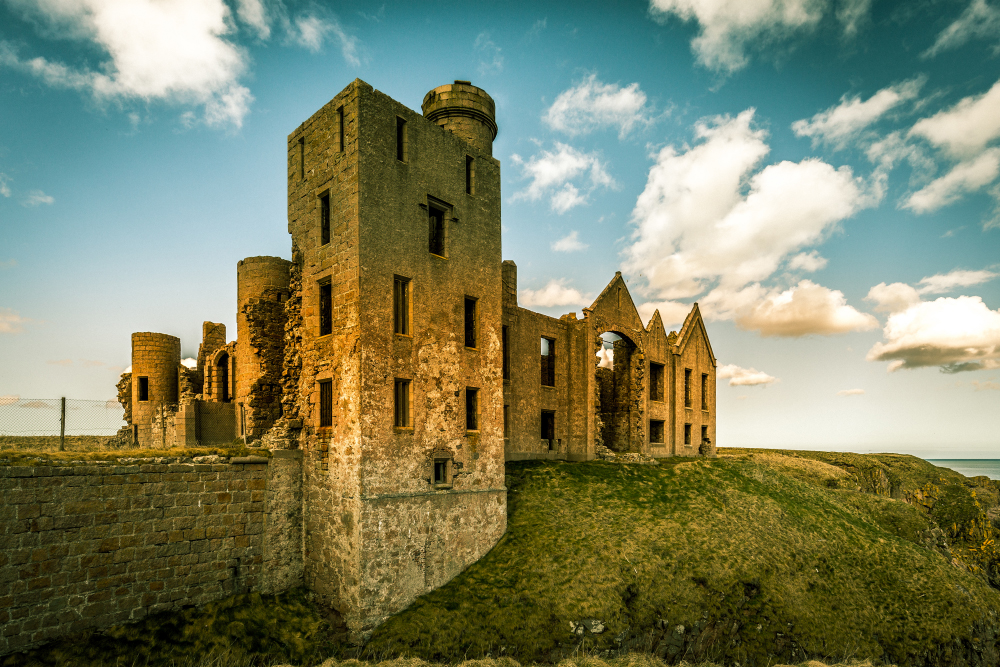
Last but certainly not least, Dunnottar Castle sits atop a dramatic cliff, overlooking the North Sea. The awe-inspiring surroundings only add to the castle’s historical significance. Over the centuries, Dunnottar Castle has endured many sieges and played a crucial role in hiding the Scottish Crown Jewels from invading forces. Points of interest within the castle include:
- The Keep: A towering structure that dates back to the 14th century
- The Chapel: A remarkable example of the 16th-century Scottish gothic architecture
- The Whigs’ Vault: A sombre reminder of the prisoners who were held captive during the 17th century
Exploring Dunnottar Castle provides a sense of adventure and a deep appreciation for the resilience of the Scottish people.
Scottish Food and Drink
Traditional Dishes
In Scotland, we pride ourselves on our delicious traditional dishes. One of the most famous is haggis, a savoury pudding containing sheep’s pluck, minced with onion, oatmeal, suet, spices, and salt. Haggis is traditionally served with neeps and tatties (turnips and potatoes) and is the main course of a Burns Supper to celebrate the poet Robert Burns.
Another popular dish is Cullen skink, a thick soup made from smoked haddock, potatoes, and onions. This comforting dish is originally from a coastal town named Cullen.
For those with a sweet tooth, we recommend trying cranachan, a delicious dessert made with raspberries, whipped cream, honey, and toasted oats, often flavoured with a little whisky. Another dessert option is clootie dumpling, a spiced pudding made with dried fruit and wrapped in a cloth, then boiled or steamed before being served warm with custard.
Scottish Whisky
No trip to Scotland would be complete without sampling our world-renowned Scottish whisky. Also known as Scotch, this high-quality spirit is revered for its unique taste and craftsmanship. There are five main whisky-producing regions in Scotland, each with its own distinct flavour profile:
- Speyside: The most prolific whisky region, known for its fruity and elegant drams.
- Highland: A diverse region producing whiskies ranging from lighter and floral to rich and full-bodied varieties.
- Lowland: Primarily producing lighter, delicate whiskies with a softer, subtle character.
- Islay: Renowned for its bold, peaty, and smoky whiskies.
- Campbeltown: Once a thriving whisky region, now only a few distilleries remain, producing distinctive salty and briny whiskies.
While visiting, we recommend taking a tour of the various distilleries in order to fully experience the unique flavours and craftsmanship that goes into every bottle of Scottish whisky.
Activities in Scotland
Scotland has a wide range of activities to suit every type of visitor. In this section, we will focus on three popular pursuits: Golfing, Hiking, and Boating.
Golfing
As the birthplace of golf, Scotland boasts over 550 golf courses, offering a diverse golfing experience for players of all skill levels. We can’t talk about golfing in Scotland without mentioning the Old Course at St Andrews, which is considered the Home of Golf. Other notable courses include Carnoustie, Muirfield, and Royal Troon.
- Classic Links courses: Scottish links courses, often set along the coast, provide a unique challenge as they are exposed to the elements with undulating fairways.
- Highland courses: These courses, situated in the scenic Highlands, combine beautiful landscape with golfing pleasure. Gleneagles and Castle Stuart Golf Links are a couple of gems.
Hiking
Scotland is a paradise for hikers, offering some of the most beautiful and dramatic landscapes in the UK. For anyone seeking adventure, here are some popular hiking routes:
- West Highland Way: This 96-mile route from Milngavie to Fort William takes you through the picturesque Loch Lomond and Trossachs National Park.
- Cairngorms National Park: The largest national park in the UK, Cairngorms boasts stunning trails that include Bynack More, Cairn Gorm, and Ben Macdui.
For those who want a more challenging hike, we recommend tackling one of the over 280 munros – mountains in Scotland over 3,000 feet.
Boating
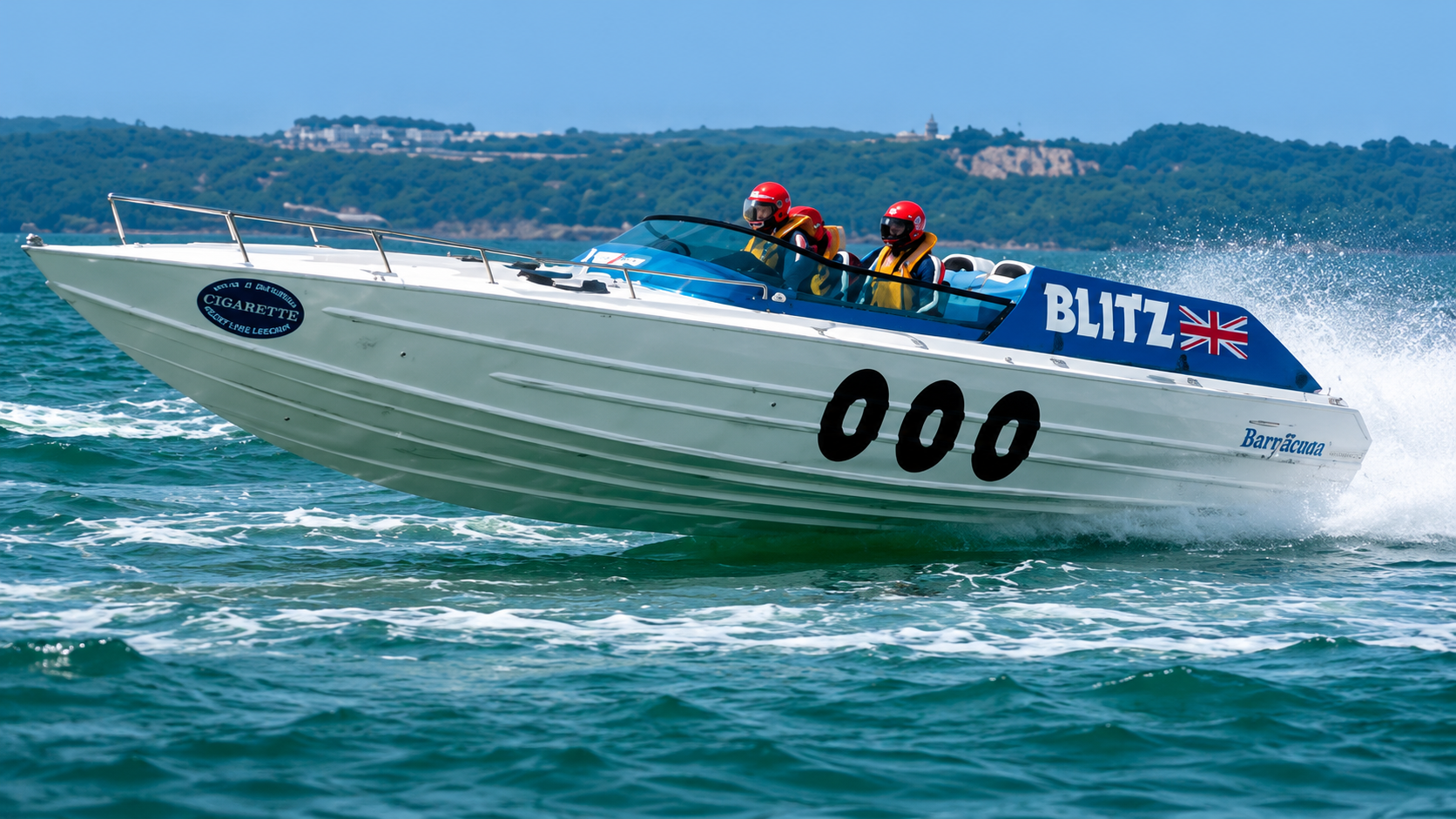
With a stunning coastline and hundreds of lochs, Scotland offers incredible boating opportunities. From gentle sailing experiences to adrenaline-pumping water sports, there is something for everyone.
- Loch Lomond: The largest loch in Scotland, Loch Lomond offers sailing, kayaking, and canoeing, with breathtaking views of the surrounding mountains.
- Scottish Canals: Unlock hidden treasures on Scotland’s canals while navigating aboard a narrowboat. The Caledonian Canal between Inverness and Fort William is a particular favourite.
Remember to ensure safety precautions are in place and follow local guidelines when participating in any of these activities.
Practical Information for Travelling
Currency
In Scotland, the currency is the British Pound (GBP). It’s essential to have some cash with us for smaller transactions and remote locations. There are plenty of ATMs and currency exchange services in major towns and cities. We shouldn’t worry about finding a place to get money. Most establishments accept major credit and debit cards, but it’s always a good idea to keep some cash handy, especially in rural areas.
Transport
Scotland has a well-connected public transport system, including buses, trains and ferries. To travel with ease, we can use a variety of travel passes available, such as the Scotrail Pass and Citylink Explorer. These passes can save us money and time while getting around the country.
- Trains: Scotland’s train network connects major cities and towns. The main train operators are Scotrail and LNER (London North Eastern Railway). Trains are often the fastest way to travel between cities.
- Buses: Scotland has a comprehensive bus network, operated by a variety of companies like Stagecoach, First Bus and Megabus. Buses usually serve more remote areas, which trains do not reach.
- Ferries: Ferries are essential when visiting Scotland’s many beautiful islands. The main ferry operator is Caledonian MacBrayne (CalMac), which serves the majority of west coast islands. Northlink Ferries operates routes to the Northern Isles.
Weather
Scotland’s weather is changeable and can vary greatly in a single day. We recommend packing layers and waterproof clothing, as well as a sturdy pair of shoes for walking and exploring. Here’s a general overview of what we can expect throughout the year:
- Spring (March to May): Temperatures range from 5°C to 13°C. Days are generally mild, with an increase in daylight hours. Expect light rain and occasional snow in higher elevations.
- Summer (June to August): The warmest months, with temperatures between 12°C to 17°C. Days are longest during this season, with up to 17 hours of daylight in June.
- Autumn (September to November): Temperatures range from 8°C to 14°C. This season is known for its beautiful autumn foliage and crisp air. Be prepared for rain and wind at times.
- Winter (December to February): The coldest months, with temperatures ranging from 0°C to 6°C. Snowfall is common, especially in the Highlands, and daylight is limited.
Ending Your Journey
As our time in Scotland comes to a close, let’s reflect on some of the highlights from our journey. We began by immersing ourselves in the rich history and culture of Edinburgh, visiting the stunning Edinburgh Castle and wandering through the Royal Mile. Our next stop was Glasgow, where we admired the contemporary art scene and stunning architecture.
Heading north, we ventured into the picturesque Scottish Highlands, marvelling at the impressive scenery and exploring the many historical sites. Here, we discovered the famous Loch Ness, where we eagerly searched for Nessie and took part in some watersports. Then, it was on to Isle of Skye, where our eyes feasted on the breathtaking landscapes of the Fairy Pools, Quiraing, and the Old Man of Storr.
Along the way, we delved into Scotland’s flourishing food scene, sampling haggis and tucking into fresh seafood at local markets and highly-rated restaurants. Our taste buds were also tempted by the diverse array of whiskies produced across the country, as we embarked on distillery tours and learned the art of whisky-making.
Our journey offered us a well-rounded, enriching experience that touched on all aspects of Scottish life. We’ve gained a deeper understanding of this beautiful land and its people, and we hope that your journey has been just as memorable. As we part ways with Scotland, we take with us not only incredible memories but the warmth of the Scottish spirit and a newfound desire to return again one day.