




































































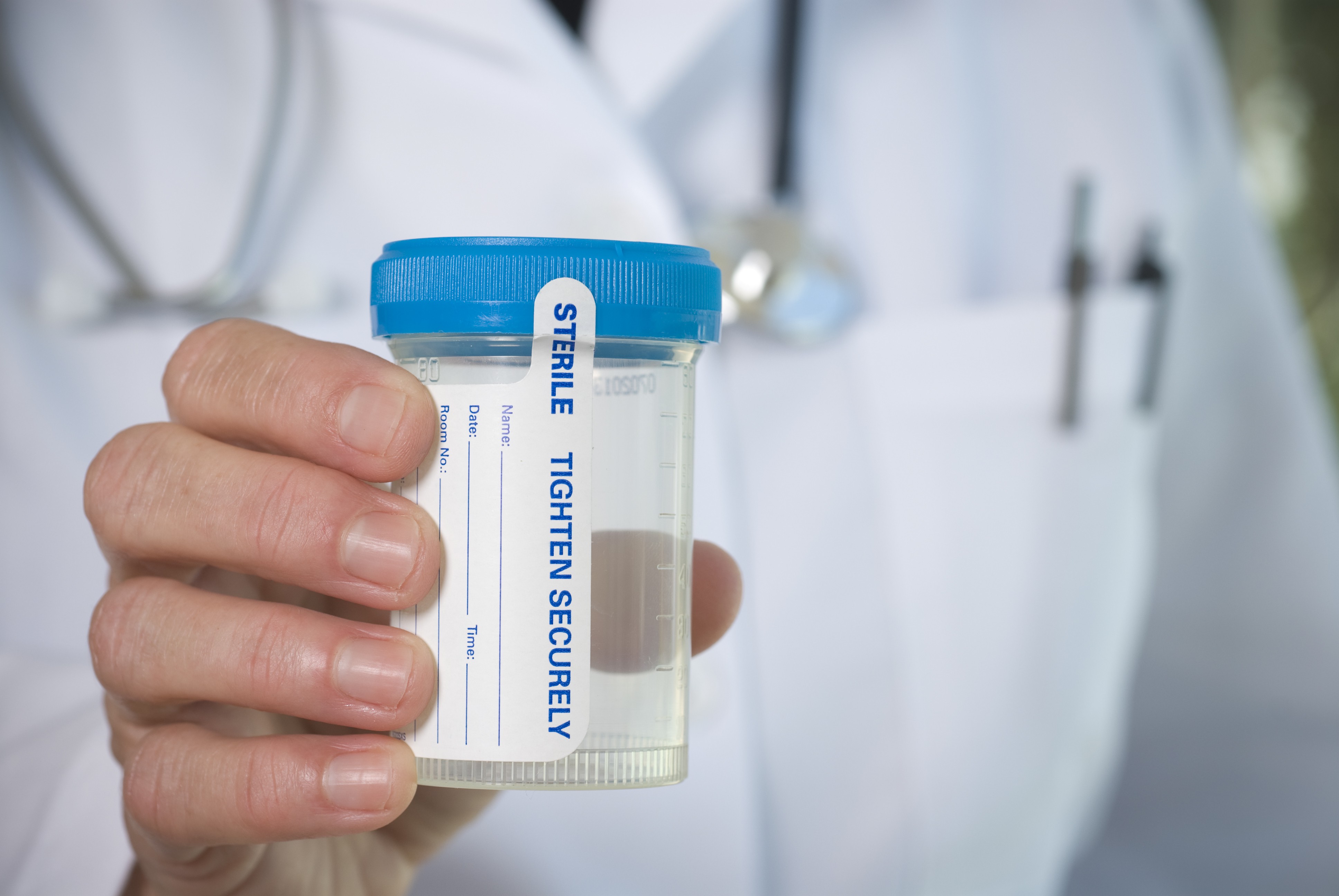

Choosing the right IVD containers is important for the safety of laboratory processes and the reliability of diagnostic results. Before using a product in the laboratory, it is worth verifying whether it maintains the required level of cleanliness, has the appropriate documentation, and meets the applicable requirements for in vitro diagnostic medical devices.
What are sterile IVD containers and when are they required?
Sterile IVD laboratory containers are products intended for collecting, transporting, storing, or preparing samples used in in vitro diagnostics. The manufacturer supplies them in a sterile state, and their sterility should be maintained until the packaging is opened in accordance with the product’s intended use.
Such solutions are used wherever the presence of microorganisms could affect the course of the test or the interpretation of the result. This applies primarily to biological material that requires minimizing the risk of contamination during subsequent stages of laboratory work.


Sterile containers may be required in procedures in which the laboratory uses specific analytical methods or the principles of validated processes. Their use depends on:
- the type of test,
- the nature of the sample,
- the requirements of the diagnostic test manufacturer.
Most common uses of IVD containers in diagnostic laboratories
Laboratory containers for IVD are used at many stages of handling material intended for analysis. Their most common applications include:
- collecting biological samples intended for microbiological testing,
- safe transport of material between the collection point and the laboratory,
- storing the sample before testing is performed,
- preparing material for further diagnostic procedures,
- reducing the risk of the sample coming into contact with external factors.
The selection of a specific container should result from its intended use. A product used for one procedure may not be suitable for another type of test, which is why the consistency of the label information with the laboratory’s requirements is important.
How to verify the sterility of IVD laboratory containers?
The assessment of an IVD container’s sterility should not be based solely on the appearance of the packaging. The most important factors are the manufacturer’s markings and the documents confirming how the product was prepared. The packaging should be checked for, among other things:
- information on sterility,
- batch number,
- expiry date,
- storage conditions.
The CE marking alone does not automatically mean that every container is sterile. It confirms compliance with the requirements applicable to a medical device, while information about sterility must result from additional data provided by the manufacturer.

In practice, to be certain of a container’s sterility, laboratory staff should pay attention to several elements:
- an intact individual package,
- the product batch marking,
- the sterility expiry date,
- quality documentation provided by the manufacturer,
- the product’s suitability for the intended use.
Sterility control methods and required documents
The sterility of containers is verified during production and quality control. The manufacturer may use validated sterilization processes, process parameter monitoring, and tests confirming that the product’s properties are maintained.
The most important documents for sterile containers include:
- the manufacturer’s declaration of the product’s sterility,
- a document confirming validation of the sterilization process,
- information on production batch control,
- data on packaging and storage conditions,
- the batch number and expiry date.
Thanks to this information, the laboratory can assess whether the product is suitable for a given diagnostic procedure.
ISO 13485 and declarations of conformity – what must an IVD container have?
ISO 13485 is a standard concerning the quality management system for manufacturers of medical devices. In the case of IVD containers, it is important that the manufacturer operates according to its principles, ensuring control over processes, documentation, and product quality.
The ISO 13485 certificate itself is not a document assigned directly to each individual container. It confirms how production and quality supervision are organized at the manufacturer’s facility.
When purchasing sterile IVD containers, it is also worth checking the availability of documents such as the EU declaration of conformity, CE marking, and information identifying the product. They make it possible to verify whether a given product has been prepared in accordance with legal and quality requirements.
When selecting IVD laboratory containers, companies should analyze not only the product itself, but also the supplier’s complete documentation. That is why the Noex Labware offer includes solutions intended for laboratory applications, together with the information needed to assess the product’s compliance.
4 key facts to remember about sterility control of laboratory containers
- Sterile IVD containers are used for working with samples that require minimizing the risk of contamination.
- Sterility is confirmed on the basis of markings, documentation, and production process control.
- ISO 13485 refers to the quality system of a medical device manufacturer.
- A declaration of conformity helps verify a container’s compliance with requirements for in vitro diagnostics.
FAQ
How can you tell whether an IVD container is sterile?
A sterile IVD container has a sterility marking on the packaging, and the manufacturer provides an appropriate certificate. It is also worth checking the batch number and the sterility expiry date.
Does every laboratory container have to comply with ISO 13485?
ISO 13485 applies to medical devices, including IVD containers intended for in vitro diagnostics. Not every laboratory container has to comply with it, but for IVD products it is a legal requirement.
What documents confirm an IVD container’s compliance with regulations?
The basic documents are the manufacturer’s declaration of conformity, the ISO 13485 certificate, and the sterility certificate. It is worth requesting copies of them before purchase.
Why is the declaration of conformity important when purchasing IVD containers?
The declaration of conformity confirms that the container meets legal requirements and quality standards. It is important for safety and for the proper conduct of diagnostic testing.
Meta title: Sterility of IVD containers and ISO 13485 – documents and quality control
Meta description: Find out how to assess sterile IVD containers, which documents confirm their quality, and why ISO 13485 and declarations of conformity matter.