













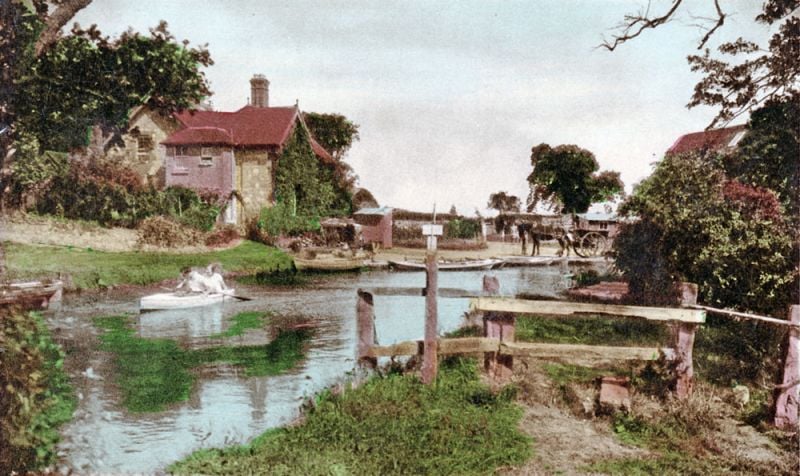































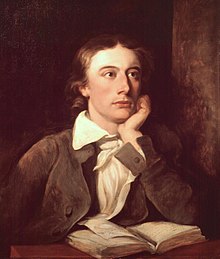
John Keats – whose name has been closely associated with the seaside town of Shanklin – came on a visit to the Isle of Wight 206 years ago on 14th March 1817.
Keats stayed in Carisbrooke, where he had a full view of its magnificent castle, which provided perfect inspiration for his poetic instincts.
During his sojourn on the Island, Keats wrote: “I have not seen many specimens of ruins – I don’t think however I shall see one to surpass Carisbrooke Castle.”


Carisbrooke’s colony of jackdaws made a strong impression on the poet, who wondered whether their ancestors had witnessed King Charles I’s unfortunate incarceration in the castle over 2 centuries previously.
While wandering in Bowcombe Valley, near Carisbrooke, Keats began what many regard as his greatest work: Endymion:
Endymion
A thing of beauty is a joy for ever:
Its loveliness increases; it will never
Pass into nothingness; but still will keep
A bower quiet for us, and a sleep
Full of sweet dreams, and health, and quiet breathing.
Keats visited Shanklin, where he sought inspiration from the sea, white cliffs and Chine waterfall.
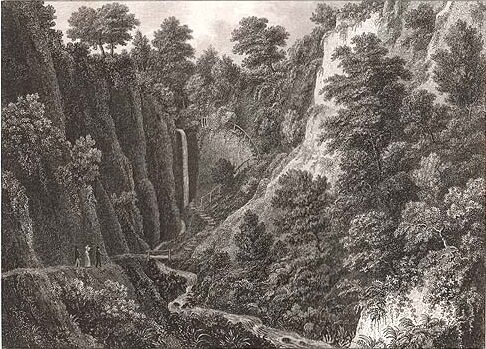
It was in Shanklin that the bard penned On the Sea:
On the Sea
It keeps eternal whisperings around
Desolate shores, and with its mighty swell
Gluts twice ten thousand Caverns, till the spell
Of Hecate leaves them their old shadowy sound.
Often ’tis in such gentle temper found,
That scarcely will the very smallest shell
Be moved for days from where it sometime fell.
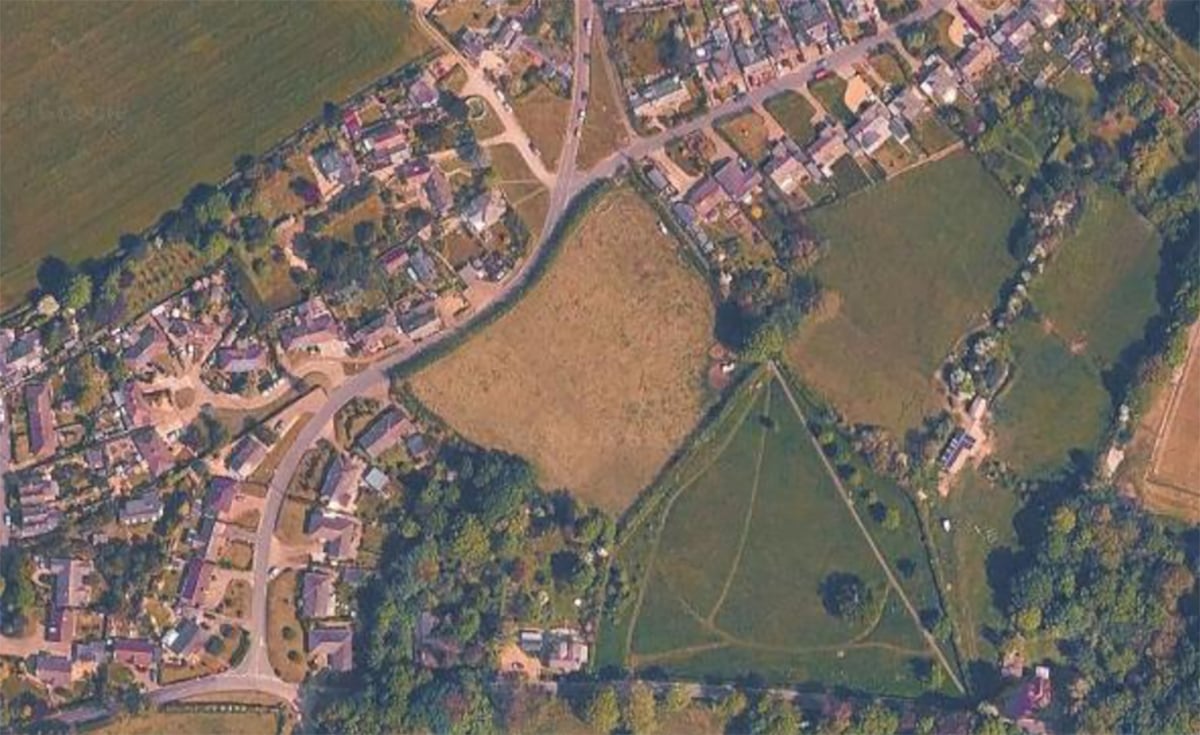
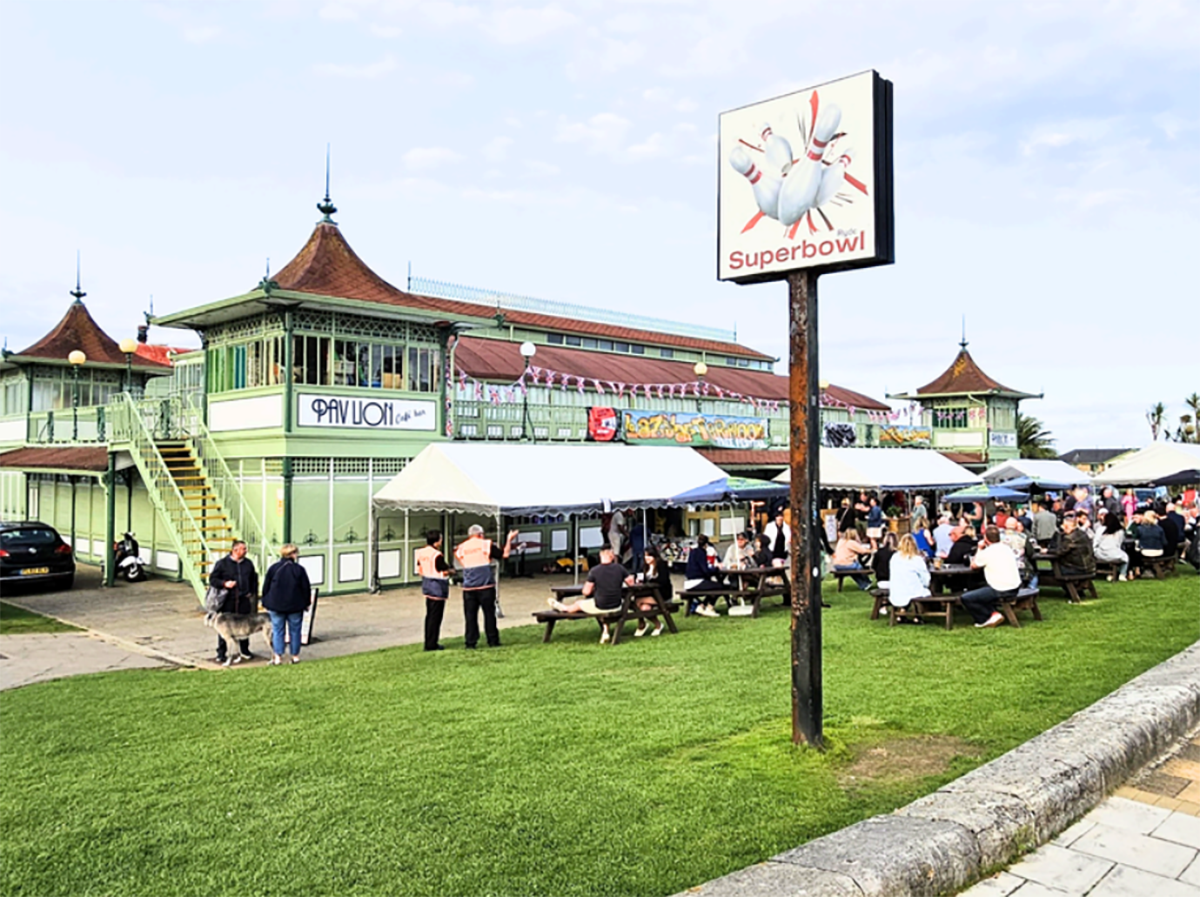
Keats’ name has become permanently linked with Shanklin, where Keats Green has been named in his honour.
Keats met the love of his life – 18-year-old Fanny Brawne – the following year. Sadly, the poet was already showing signs of tuberculosis. Hoping to alleviate the symptoms of the disease in warmer climes, he moved to Rome in 1820, where he died the following year at the tender age of 25.








Clearly talented but as many were back then taken too soon. Least never forgotten as most of us will be.