







































































Ukraine is a European country with an advanced medical system, where all modern assisted reproductive technologies (ART) are available — from in vitro fertilisation and intrauterine insemination to surrogacy. Thanks to donor programs, couples facing infertility have the opportunity to know the joy of parenthood. This kind of help is legal, and all processes are regulated at the state level, which ensures standardisation and a high quality of medical services.
Insemination and in vitro fertilisation in Ukraine (IVF): the basic methods of infertility treatment
Around 80 million couples worldwide are unable to have a child of their own because of male or female infertility. 90% of them seek a solution through reproductive medicine. The use of ART and the choice of a specific procedure depend on the medical indications. The main methods are:


Insemination — the introduction of prepared sperm directly into the uterus. The procedure is non-invasive and painless, but it is not suitable for everyone. It is used in cases of a slight reduction in sperm motility, disrupted production of cervical mucus, or an irregular cycle. After repeated unsuccessful inseminations, IVF is recommended.
IVF (in vitro fertilisation) — the leading method of infertility treatment. Up to 1.5 million cycles are carried out worldwide each year. Fertilisation of the egg takes place outside the woman’s body, either by creating ideal conditions for selected active sperm or by joining the gametes through a direct injection (ICSI). The resulting embryo is transferred into the uterus of the woman who provided the eggs or of the surrogate for the pregnancy to continue.
IVF is recommended in cases of blocked fallopian tubes, adhesions in the pelvic organs, ovulation disorders, severe endometriosis, age-related infertility, and so on. In vitro fertilisation in Ukraine takes place in several stages:
- Hormonal stimulation of ovulation, so that mature oocytes develop.
- Ovarian puncture to retrieve the eggs.
- Fertilisation in the laboratory.
- Growth of the zygote for up to 5 days in a special incubator.
- Transfer of the embryo into the uterine cavity.
Two weeks later, a test is carried out to confirm the pregnancy. The effectiveness of the procedure declines in proportion to the woman’s age and, after 40, falls below 50%. That is why several attempts at culture and implantation are sometimes needed, or other ART options, for example those using donor reproductive material.
Egg and sperm donor programs
Assisted reproductive technologies also include donor programs. Doctors recommend using donor oocytes or sperm when attempts to use one’s own genetic material have been unsuccessful or when too few gametes are produced. The procedure is also suitable for single women or where there is a risk of passing serious hereditary diseases on to the baby.

In Ukraine, the requirements for donors are established in law. They are set out in Order of the Ministry of Health No. 787, and compliance is mandatory for all reproductive clinics. Eggs and sperm are provided by people who are:
- Without harmful habits.
- Aged 18–36 for women and 20–40 for men.
- Free of hereditary diseases.
- With at least one healthy child (for women).
- Free of HIV, hepatitis, syphilis, and other dangerous infections.
Donors undergo extended health checks, from an ultrasound of the pelvic organs to bacteriological and cytological examinations of smears and blood. Doctors test for antibodies to toxoplasmosis, chlamydia, and cytomegalovirus and, where indicated, check hormone levels, carry out karyotyping, and examine the internal organs. Once obtained, donor eggs and donor sperm are cryopreserved for six months and, before use, are tested again for infections.
Information about donors is kept in donor catalogues. Access to this information is held by specialised clinics and by agencies that help couples with their choice. Agencies such as VittoriaVita usually approach matching with great care and sensitivity. They pay attention not only to health criteria, but also to appearance, so that the donors resemble the intended parents. Embryo donation is also permitted in Ukraine. If a couple has frozen embryos remaining, they may allow their anonymous use to treat infertility in other couples.

Surrogacy in Ukraine as an ART method
Surrogacy in Ukraine is another of the legally permitted ART methods. It is used when a woman is unable to carry a pregnancy herself. After the in vitro fertilisation procedure, the embryo is therefore placed in the uterus of the surrogate. The requirements for the surrogate are similar to those for donors:
- A thorough health check.
- Regular monitoring at the clinic during the pregnancy.
- A legal contract with the couple.
- Financial compensation for her effort and time.
The absence of any direct genetic link between the surrogate and the child is also important. Commercial surrogacy is permitted in the country. The intended parents pay for all aspects of the program: organisational, medical, and legal. Payment is made strictly according to the contract, which the parties sign before the process begins.
Why Ukraine is chosen for assisted reproductive technologies
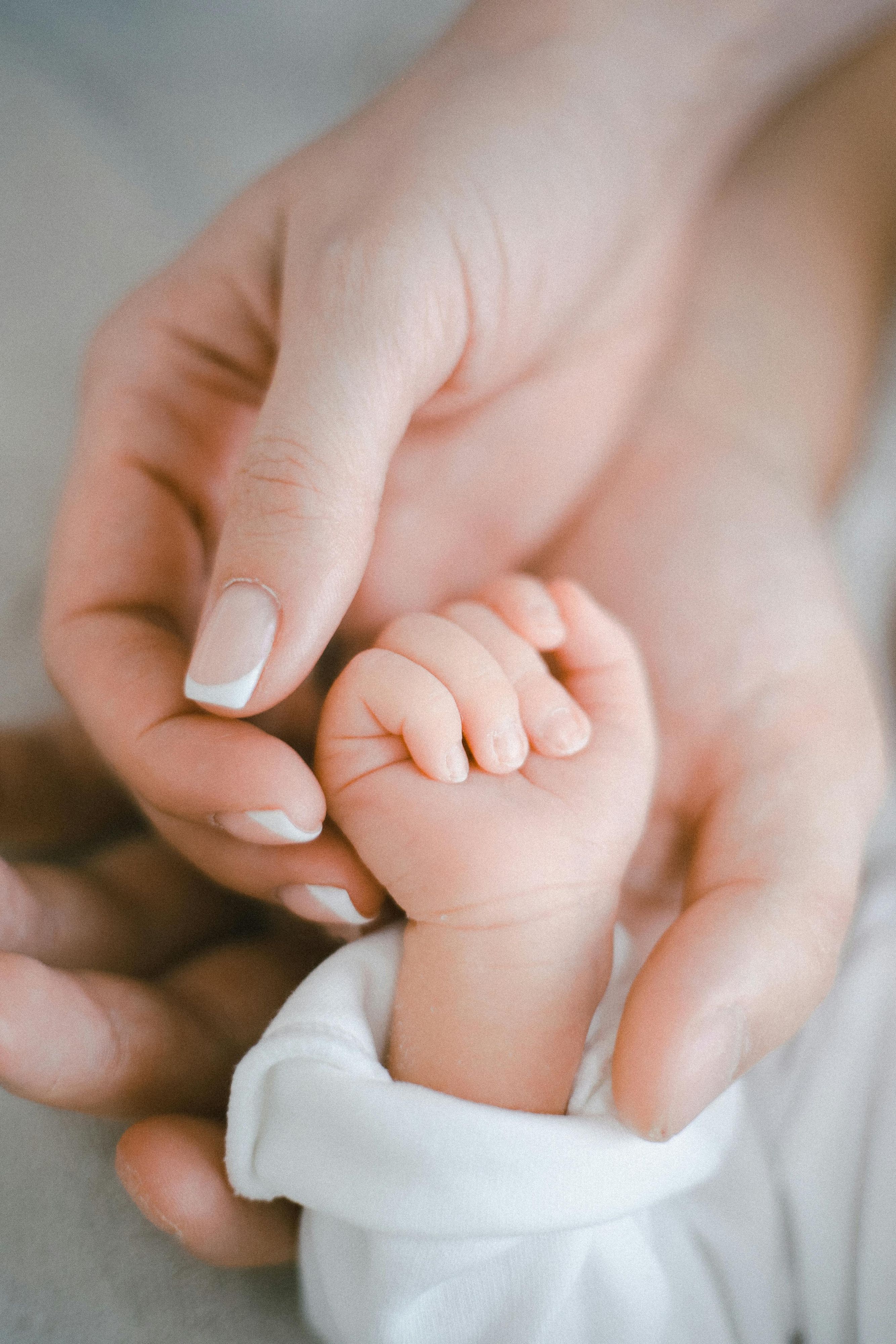
Each year, around 4,000 couples choose ART methods in Ukraine. Through surrogacy alone, up to 1,500 babies are born every year. This popularity is linked to a combination of four factors.
- A high level of medical technology and modern medical equipment. All reproductive clinics must meet certain standards and have the material and technical resources specified in law.
- Experienced doctors. ART has been developing in the country since 1984, which has built up a substantial base of knowledge, formed a qualified workforce, and refined the working protocols.
- Legal regulation. Ukraine is one of the few countries where all processes, from the collection of genetic material to the preparation of the child’s documents, are clearly regulated. And the surrogate has no rights to the child. This gives the intended parents a sense of security and predictability and reduces the likelihood of fraud. A particular advantage is the administrative recognition of parenthood and the issuance of the birth certificate without a court.
- Accessibility of programs for international patients. Foreign nationals can take part in surrogacy on the same general terms as Ukrainian couples.
In short, ART methods in Ukraine are accessible, modern, and safe. The programs are suitable for couples and single women who are affected by infertility or who cannot carry a baby for medical reasons. The law protects their rights and supports them in their wish to become parents.