


































































 Climate change is causing a striking butterfly from southern Europe to appear in record-breaking numbers across the south of England, wildlife charity Butterfly Conservation can reveal.
More than 50 Long-tailed Blue butterflies and hundreds of the butterfly’s eggs have been discovered over the last few weeks, which could result in the largest ever emergence of the butterfly in UK history.
Experts believe rising temperatures are behind the influx, with sightings of the butterfly coming in from Cornwall right across to Kent, as far north as Suffolk and even into Surrey – where the Long-tailed Blue hasn’t been seen since 1990.


Typically, only a handful of these exotic migrants from the Mediterranean reach the UK each summer, but this is the third time in 6 years that the butterfly has arrived in vastly increased numbers and 2019 looks set to surpass the previous peaks witnessed in 2013 and 2015.
Neil Hulme, Butterfly Conservation volunteer and Long-tailed Blue expert, says:
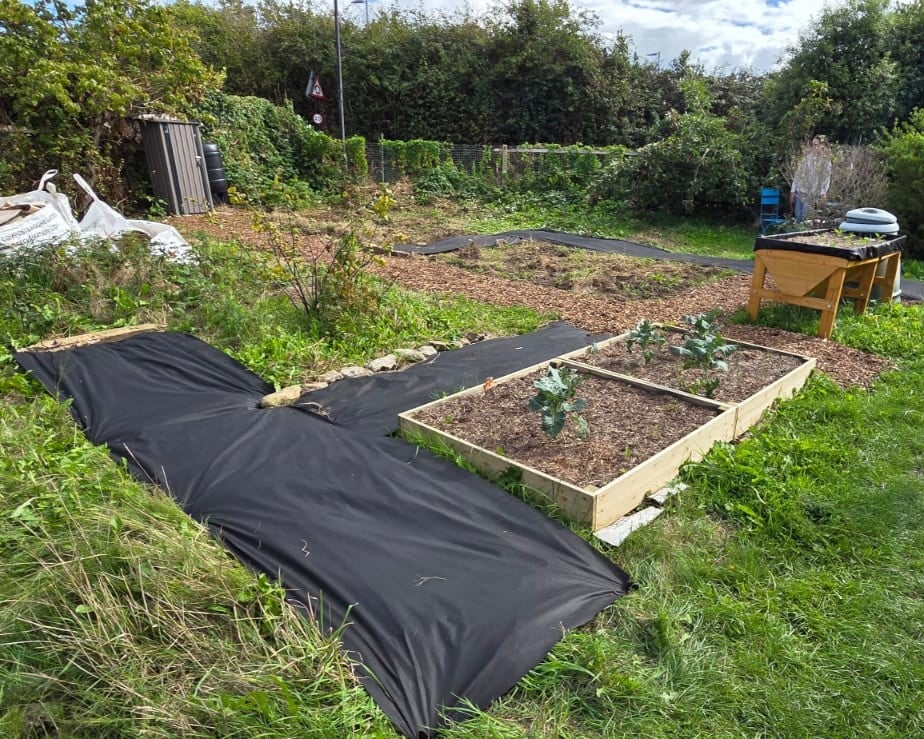
“These butterflies have crossed the Channel and are laying eggs in gardens, allotments and anywhere you can find Broad-leaved Everlasting-pea and similar plants, which the caterpillar likes to feed on.
“We’ve never recorded this many migrant adults before – it’s completely unprecedented. In only a few days, I’ve found more than 100 eggs in Sussex alone and the butterfly has been seen in Cornwall, Somerset, Devon, Dorset, Hampshire, Kent and Suffolk. We’ve even had a sighting in Glamorgan in South Wales.
“The adults will keep laying eggs and in September and October we’ll see the first British-born offspring emerging. I strongly believe this will take the total number seen this year to well over a hundred, breaking all previous records for this butterfly in the UK.”
Article continues below this advertisement

The Long-tailed Blue has previously been considered a very rare visitor to the UK, despite being abundant across southern Europe, Africa, Asia and Australia.
The butterfly gets its name from the wispy ‘tails’ on the trailing edge of each of its hindwings, which flutter in the breeze. Adjacent eye spots fool birds into thinking this is the head of the butterfly, allowing it to escape any attacks unharmed.
The male is a striking violet-blue colour, while the female is a mix of duller blue and brown. The underside of both sexes is a sandy brown colour crossed by numerous white, wavy lines.
Report any Long-tailed Blue sightings to [email protected] or through the free iRecord Butterflies app.










How perfectly beautiful are these butterflies.