

















































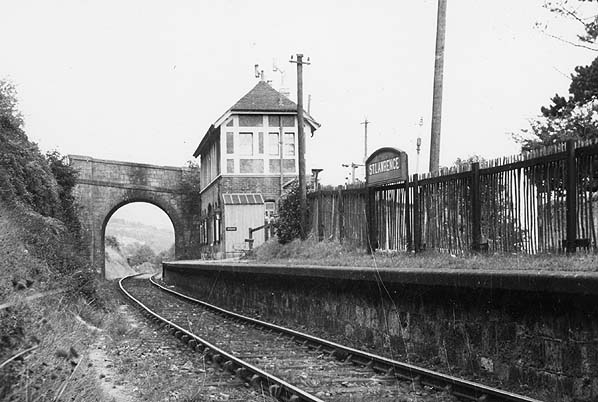

Pressed between cliff and carriageway, St Lawrence station served the Undercliff for 55 years before the sea air reclaimed the silence, opening on 20th July 1897.
Built on a narrow ledge beneath the verdant terraces of the southern Undercliff, St Lawrence station sat between pinched geography and panoramic views that many railway travellers considered among the finest on the Island. Hemmed in by steep slopes on one side and the coastal road on the other, it was a railway stop defined as much by scenery as by steel.
The branch from Merstone had edged south through Godshill and Whitwell before finally reaching St Lawrence in the summer of 1897. For nearly three years, it functioned as the southern terminus of the Newport, Godshill & St Lawrence Railway. Facilities were modest but practical: a single platform, a run-round loop allowing locomotives to change ends, and a small siding handling coal and general goods. There was little room – every yard of track had to be negotiated with the terrain.


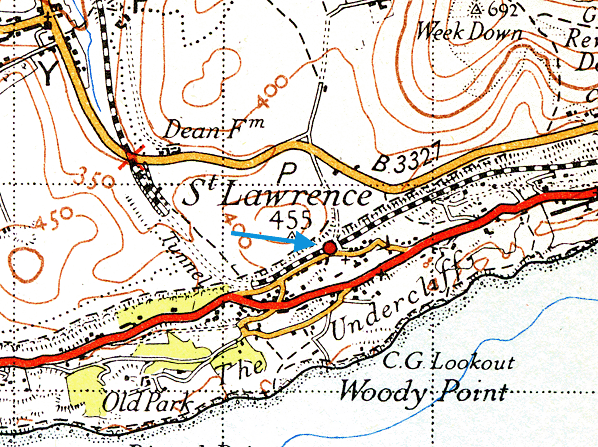
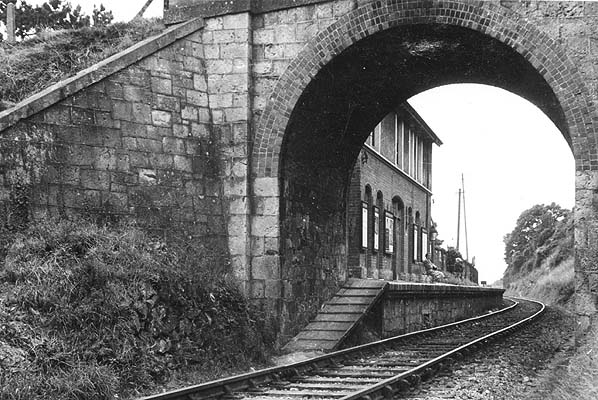
Approaching the terminus required one of the most ambitious pieces of engineering on the line: a 619-yard tunnel driven through the Undercliff slopes above the village, later widely known as High Hat tunnel. Trains passed through before emerging onto a narrow ledge of track that curved towards the platform. It was this approach, between wooded cliff and open sea, that later observers described as among the most scenic on the Isle of Wight railways.
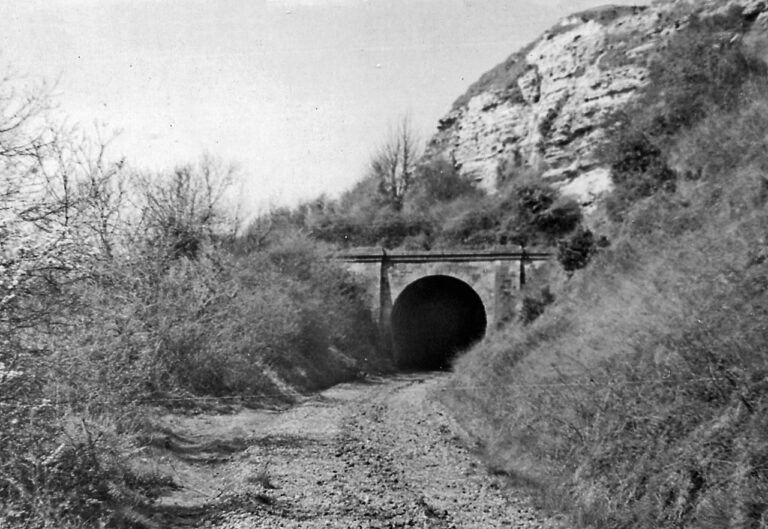
The setting quickly became part of the line’s identity. As trains descended towards the Undercliff, open farmland gave way to wooded slopes and sheltered terraces. Near the southern portal of the tunnel above St Lawrence, the line emerged to sweeping views across the valley and, in places, towards the Channel. Later accounts described this stretch as among the most scenic on the Island’s railway system, the track seeming to cling to the hillside between cliff and sea.
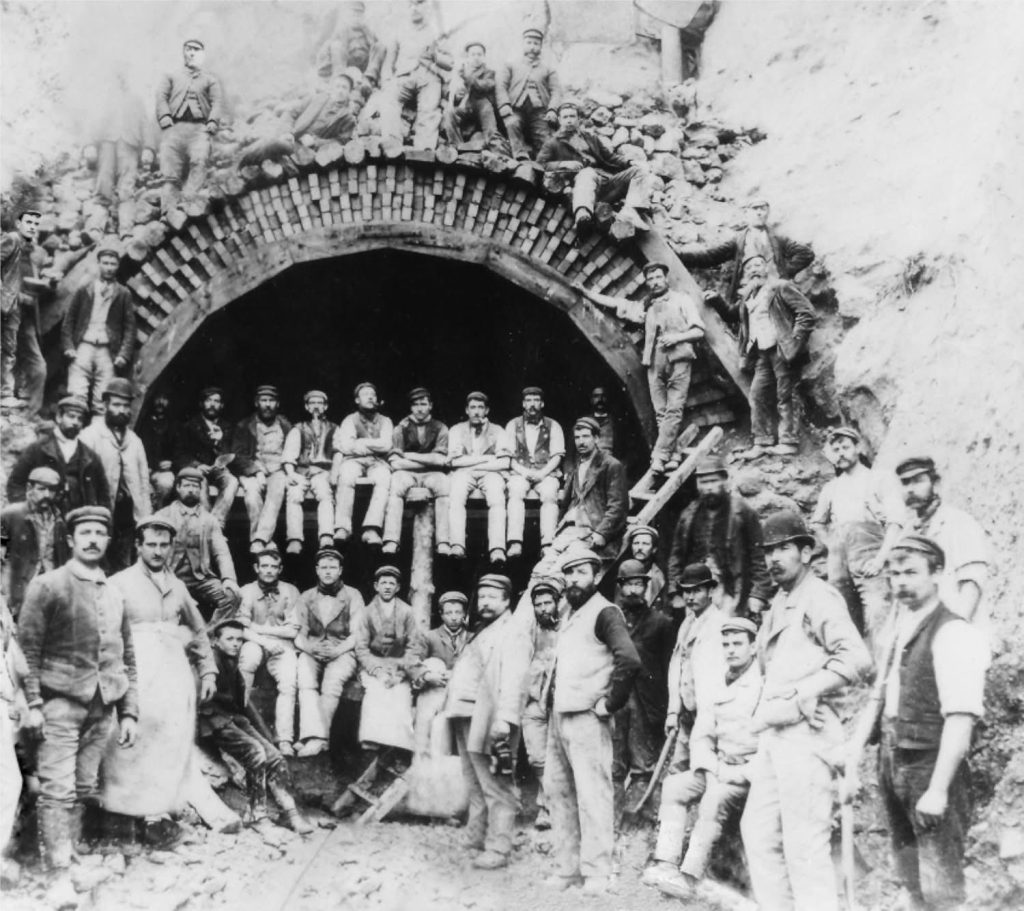
However, beauty, however, came with risk. On 22nd June 1897, only weeks before passenger services began, a substantial cliff fall nearby caused alarm that workmen might have been buried. Doctors were summoned before it was confirmed that all had been cleared from danger. It was an early reminder that this railway operated on very unstable ground.
For almost three years, the rails ended at St Lawrence. Only on 1st June 1900 were they pushed further eastwards beyond the station to reach Ventnor West, transforming St Lawrence from a terminus into an intermediate stop while leaving its dramatic tunnel approach unchanged.
The tunnel added its own chapter to the story. In February 1906, a prisoner under escort leapt from a train while it was passing through its darkness. He was soon recovered and the journey resumed, but the episode became part of the branch’s folklore.

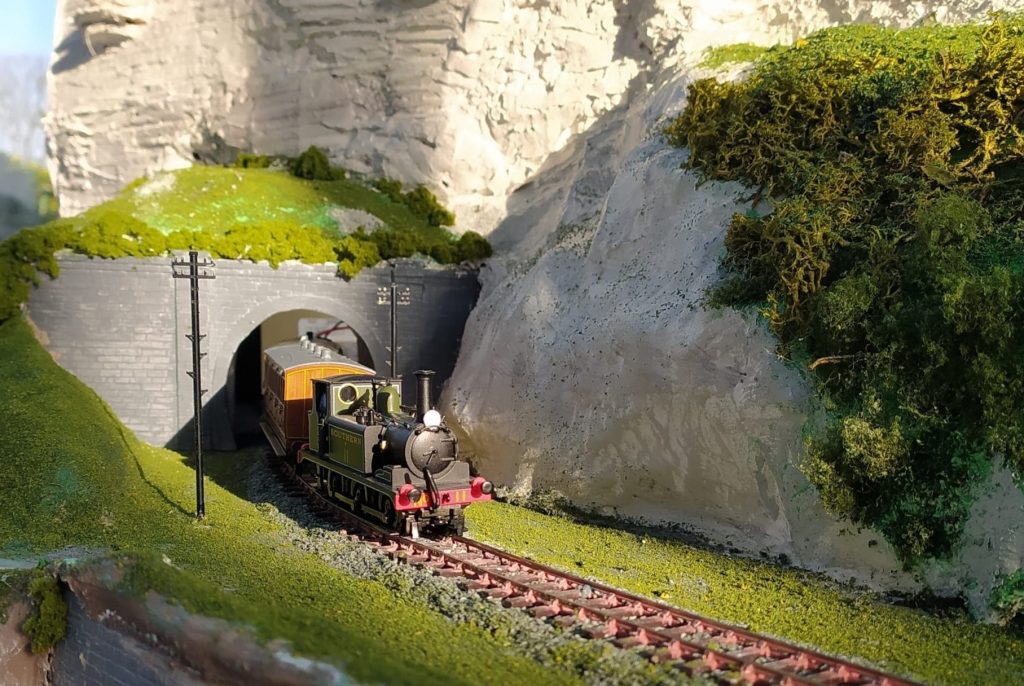
More typical of the route’s challenges was the constant threat of landslips. In October 1909, the 20:00 Newport to Ventnor service encountered a landslide at the end of the tunnel. Although debris lay across the rails, the locomotive remained upright and forced its way through. Passengers were later transferred to a relief arrangement, and no injuries were reported.
Despite its backdrop, daily life at St Lawrence was quiet. Services were limited, usually several trains in each direction linking with connections at Merstone for Newport and Ryde. Goods traffic was small-scale and local. Unlike the busier Ventnor Town station on the separate Ryde line, Ventnor West and its intermediate stops never attracted heavy tourist traffic. St Lawrence served its immediate community rather than the wider holiday trade.
The 1923 Grouping brought the branch under Southern Railway control. Financial pressures on lightly used rural lines soon intensified. On 20th July 1927 – exactly 30 years after opening – St Lawrence was reduced to an unstaffed halt. Tickets were issued on the train and facilities scaled back. The steady rise of road transport along the coastal routes eroded passenger numbers year by year.
Nationalisation in 1948 did little to alter the branch’s prospects. The costs of maintaining a line through geologically sensitive terrain weighed heavily against modest receipts. Passenger services on the Merstone to Ventnor West branch ceased on 15th September 1952, bringing 55 years of railway operation at St Lawrence to an end. Freight ended shortly afterwards, and the track was lifted.
In an unexpected postscript, the tunnel above St Lawrence re-entered public discussion in March 1976 when Isle of Wight County Council revealed emergency planning proposals at the height of the Cold War. The disused South Wight railway tunnels were identified as potential shelters for children in the event of nuclear attack. Around 15,000 youngsters were earmarked for evacuation by bus to underground protection. The plan was never enacted, but it illustrated how substantial Victorian railway engineering could acquire unforeseen relevance decades after trains had ceased to run.
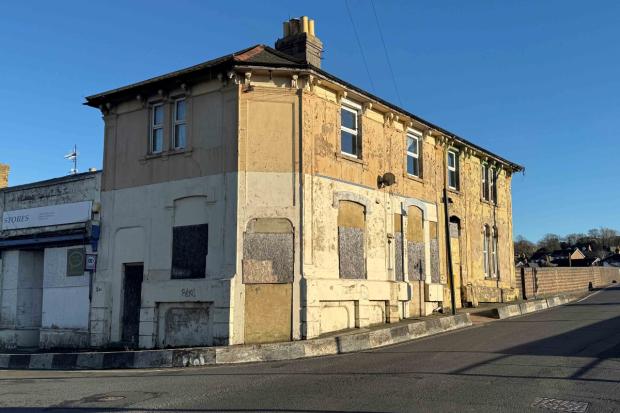
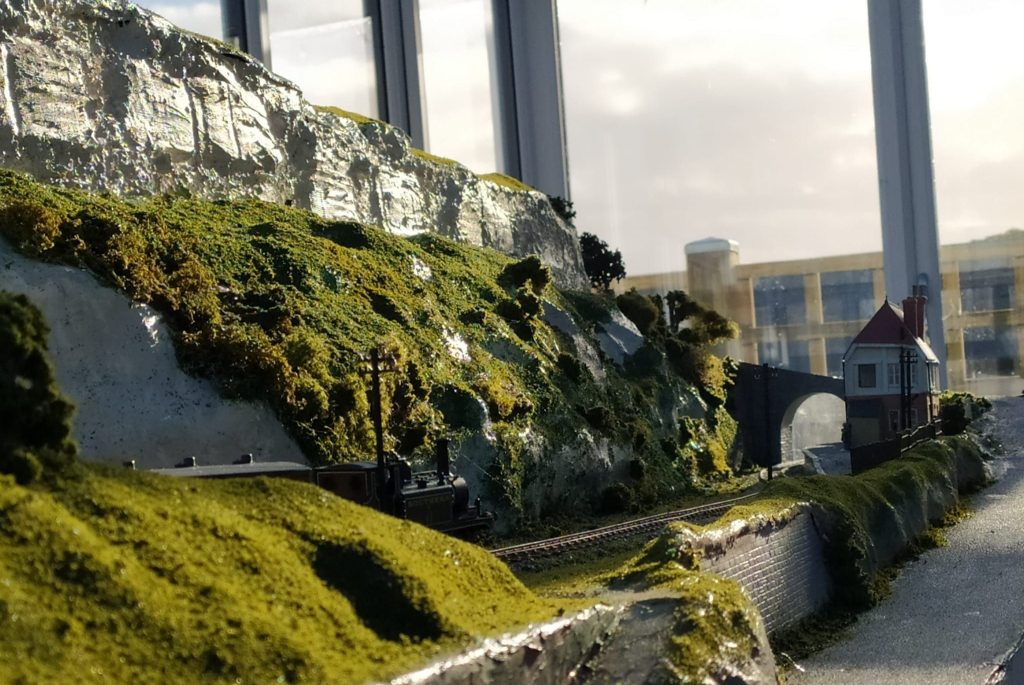
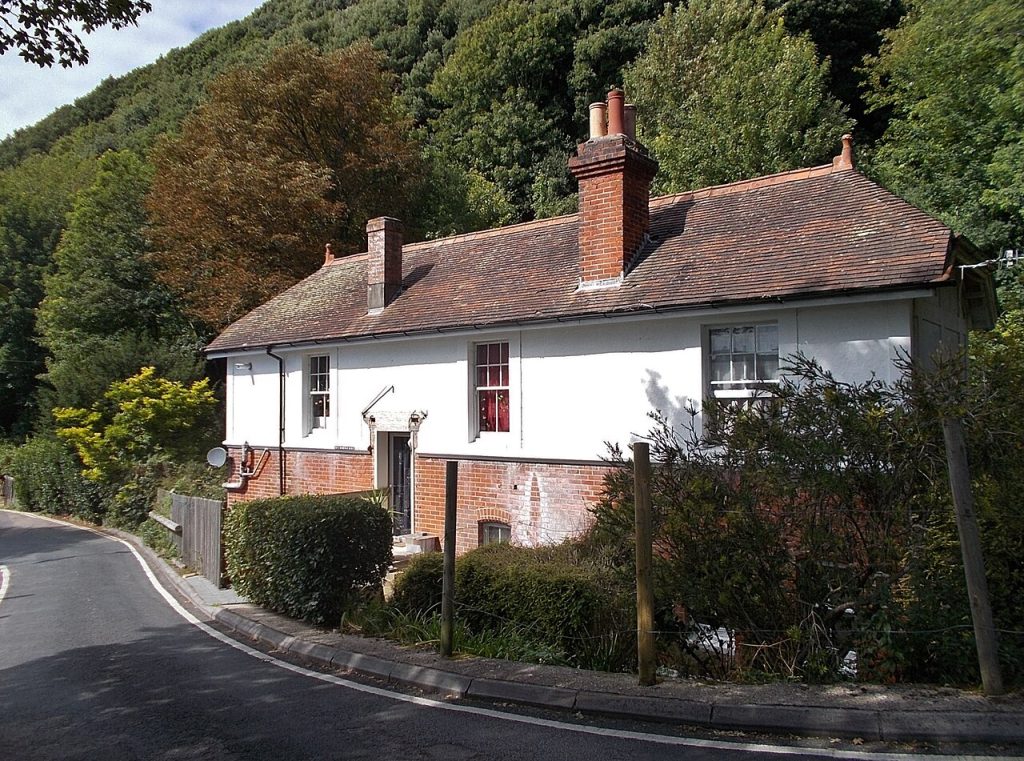
Today the station building survives in private ownership. The platform has been filled in, and parts of the trackbed have disappeared beneath later development, though the steep bridge at the eastern end of the site still hints at the former route towards Ventnor West and the tunnel beyond.
St Lawrence station was never large or architecturally elaborate. Its significance lies instead in the meeting of railway ambition and landscape. Here, steam engines once threaded their way along a shelf of shifting ground, through wooded slopes and into a tunnel cut deep beneath the Undercliff, framed by views that made even a modest rural halt feel momentarily grand.





































Has High Hat tunnel survived?
Can you walk through it?
Great article. If only the days of the railways returned
to the island.
Better than traffic jams and no Island Roads roadworks
causing delays.
NO SPEEDING MOTORISTS
Travelling by rail was bliss.
Time for the island to expand the islands rail network
and get vehicles off the road.
Safer for everyone and better for the climate.
Who wants to keep breathing in toxic diesel and petrol
fumes.
This was very interesting.
Thank you Island Echo.
Interesting article thankyou
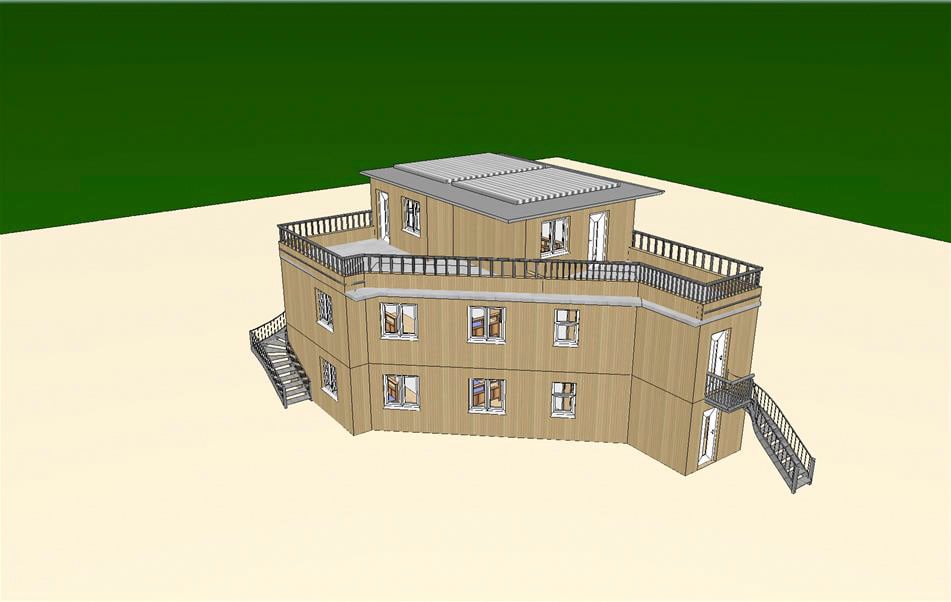
Well I must say the Model of the station is very good in fact looks to be better than very good !.
Very interesting article, ta very much