































In the 3rd edition of Isle of Wight pubs, we examine the varied history of some of the drinking establishments of Cowes.
Today, Cowes is best known as an up-market sailing venue. In the 19th century, the reputed health-giving benefits of sea-bathing attracted the well-to-do to the town, leading to the building of numerous large houses overlooking the Solent. The status of Cowes was further enhanced by the presence of Her Majesty Queen Victoria on the other bank of the Medina.
However, Cowes has not solely been the preserve of the posh. It was also the home of many shipyard workers and sailors.


The busy port created a demand for beer from rich and poor alike. This led to a great number of public houses in the town: in 1911 there were 75.
Some of Cowes’ less salubrious former watering holes …
Victoria Shades (Brunswick Road)
This 19th-century pub was said to be “inhabited by women of bad character, thieves, monkeys, and organ grinders”.
Luncheon Bar (13 High Street)
This was described by Police in 1913 as “the worst in Cowes, used by the worst class of person”.
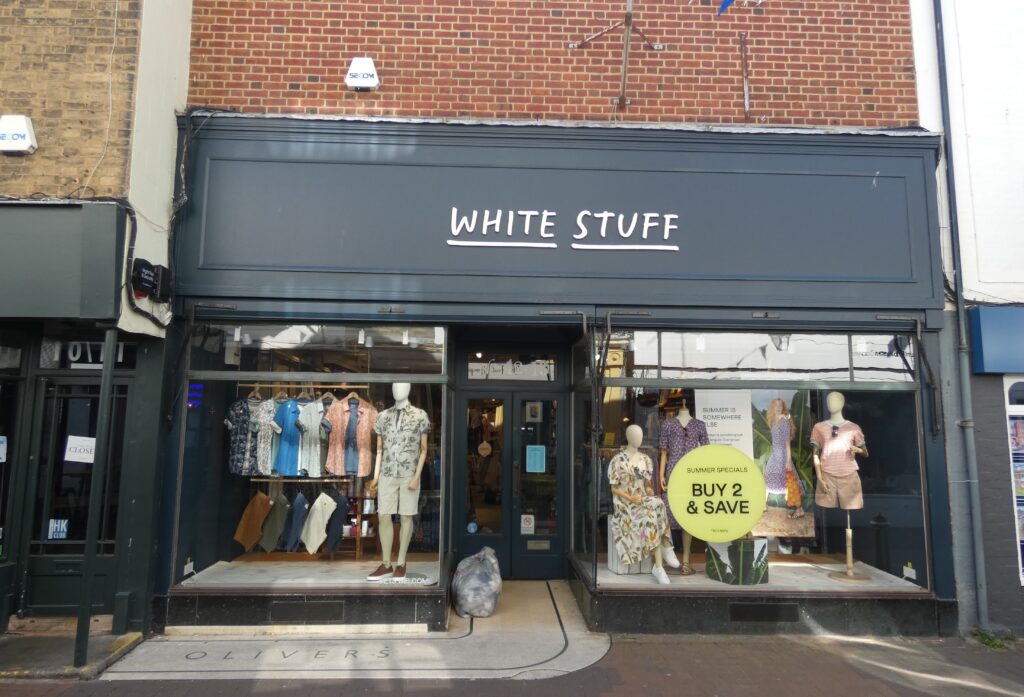
Commercial Inn (105 High Street)
This Inn was known as “the Bird Cage” as its resident prostitutes could be viewed through the barred windows by the many sailors visiting the town.
Dolphin Hotel (93 High Street)
In 1817, the last recorded death through duelling in Cowes began with an argument between 2 men staying in the Dolphin. The successful duellist Major Lockyer was found guilty of wilful murder and was believed to have fled abroad.
Prince Regent (Market Hill)
In 1909, a damning report stated: “It is used by a very rough class, and by reputed prostitutes.”
Bolton Yacht Inn (79 High Street)
The licensee between 1877 and 1885 was William Lawrence.
Lawrence’s wife, Mary Ann, was found dead on the beach behind the pub. It was said he had treated her badly for more than 20 years. The day before her death, he had thrown a tin of fat and hot sausages at her.
When the funeral cortege left the pub, locals booed and hissed the husband as he joined the procession. Around 1,000 mourners turned up at Northwood cemetery, where – following the service – they once again jeered Lawrence at the cemetery gates.
Cowes watering holes with Royal connections …
The George Hotel – also known as Plume of Feathers (High Street)
Charles I is said to have passed the night of the 13th November 1647 at the inn then known as the Plume of Feathers on the night before his imprisonment in Carisbrooke Castle.
He slept in a bed of carved oak with following biblical text on the headboard: “Remember thy end”. This he apparently took as a bad omen.
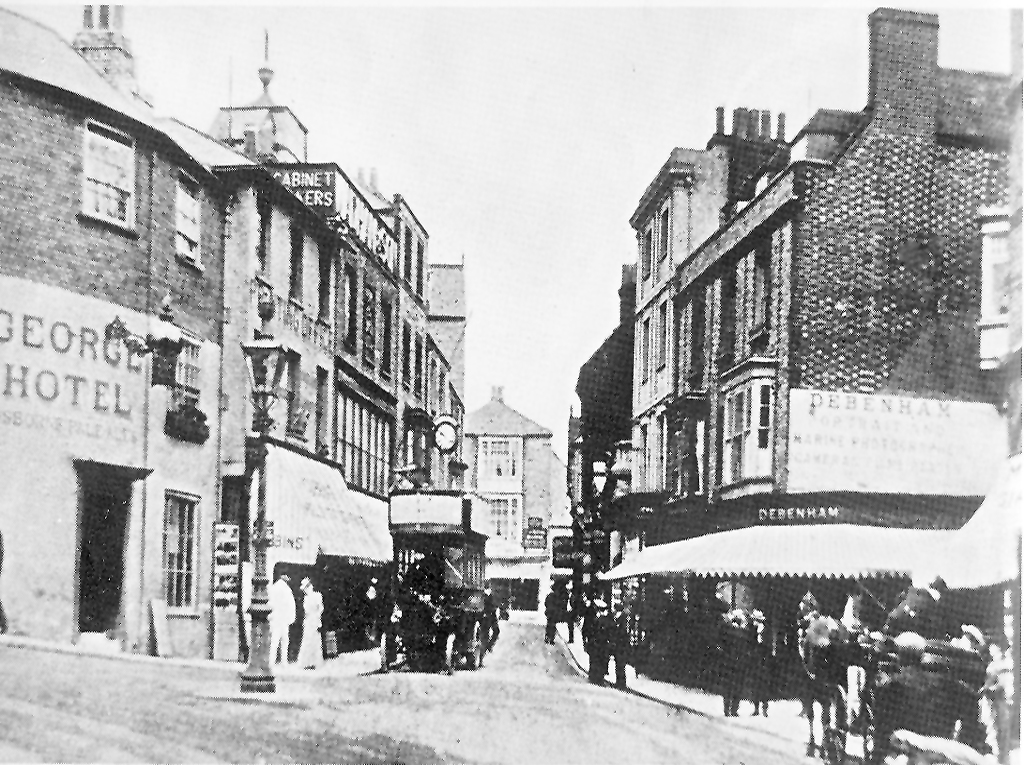
The George Hotel was built over the site of the Plume of Feathers around 1800 and named after George III. The hotel was sadly destroyed during the blitz of 4th/5th May 1942.
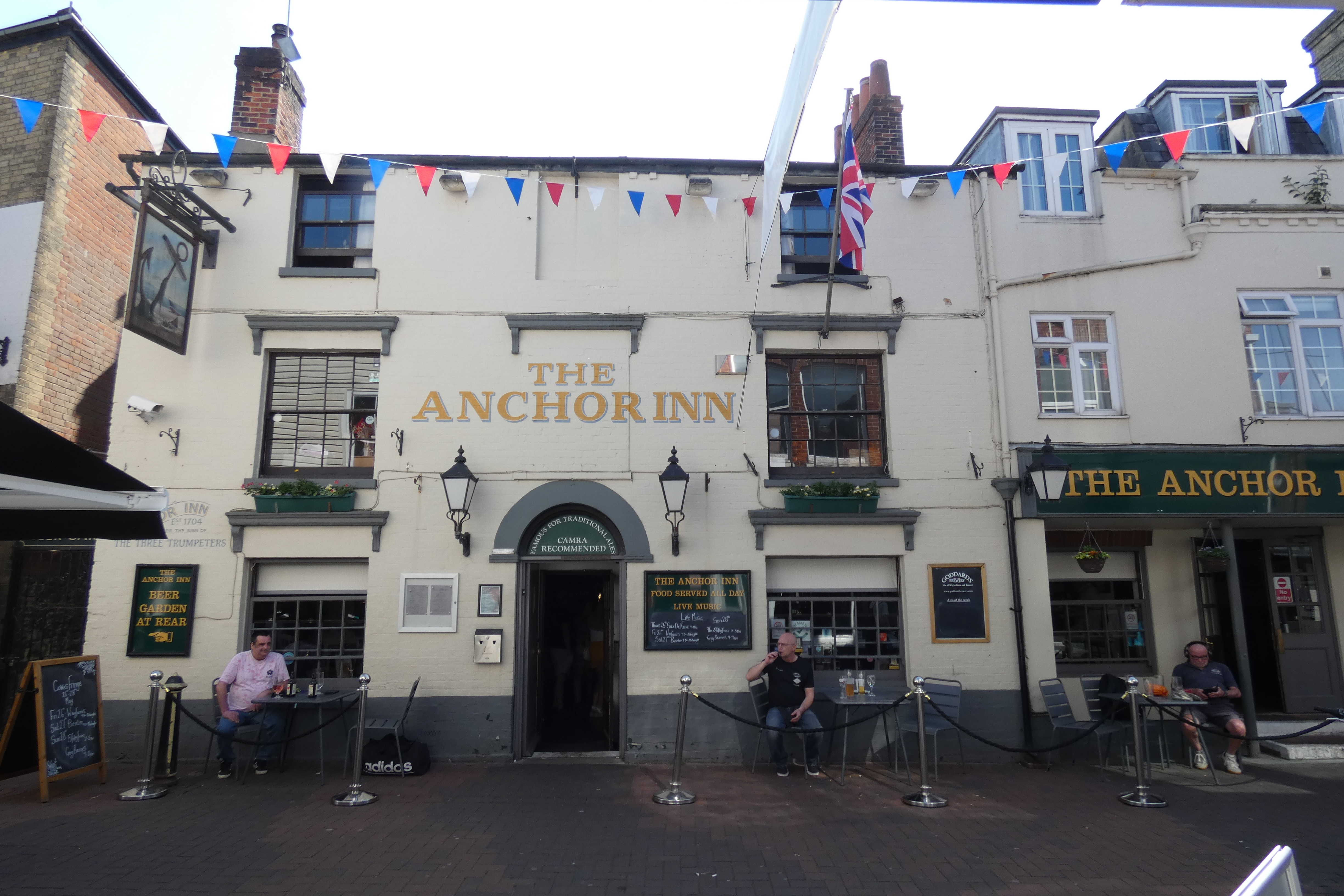
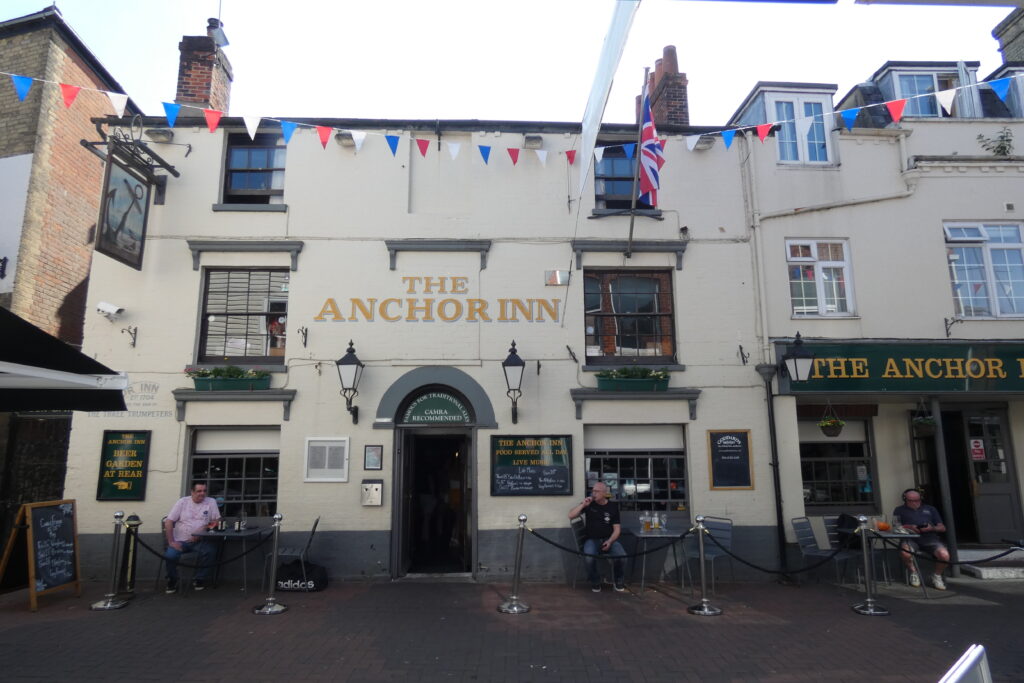
Anchor Inn (1 High Street)
1 of the oldest surviving public houses in Cowes, it was established in 1704 as ‘the Three Trumpeters’ – a trumpeter was a local name for bullocks.
In the 18th Century, the inn had its own quay with access directly to the sea – the seaward side of the High St is mostly reclaimed land.
The Anchor is famous for a more recent Royal visit – that of Princes William and Harry in 2008, long before they fell out.
The Royal pair were in town to celebrate their cousin Peter Phillips’ stag do. Apparently, the princes – then aged 25 and 23 – attracted a great deal of female attention.
An Anchor regular is reported to have said:
“It spread round town the princes were here, and it seemed like every girl on the Island came in to try and get close to them.
“But Wills and Harry weren’t too fussed by all the attention and made it clear it was a lads’ weekend away.”
With hindsight, the Island girls should have tried a bit harder and saved poor Harry from the clutches of Meghan …
Incidentally, William and Harry had anonymously approached other drinking establishments in the vicinity, only to be told they didn’t do stag parties.
Gloster Hotel (The Parade)
The Gloster is now a bland block of expensive flats. However, it was once a luxury hotel for the rich and famous. In the 1970s – before its demolition – it was a night club.
This Hotel was named after the eponymous Duke of Gloucester (son of George 3rd) who visited in 1811.
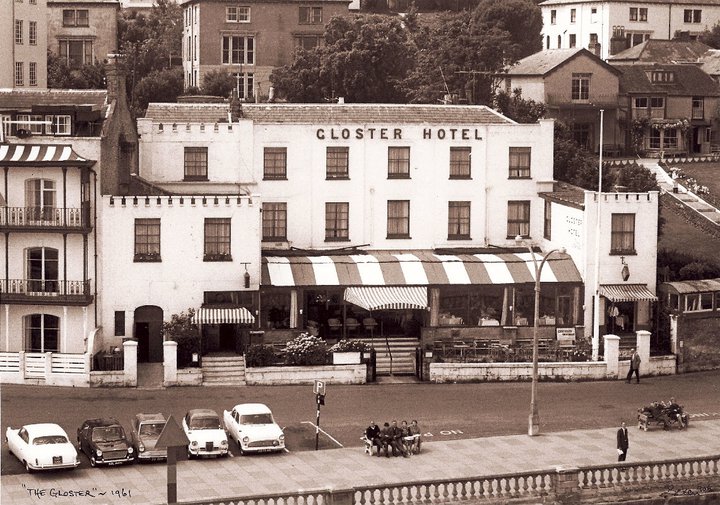
The exiled Napoleon III – Emperor of France – also stayed in the Glocester Hotel in 1871.
The Glocester’s main claim to fame was the visit of Lord Randolph Churchill – it was here that he met his future wife: Jenny Jerome. Their union was blessed with a son: Winston Churchill.
We have covered less than 10 of the present and former watering holes of Cowes … so far. There are over 60 we have yet to mention. No doubt, we shall be returning to Cowes in the not-too-distant future.
In the next edition of Isle of Wight pubs we shall be examining a few of the past and present watering holes of Sandown…




Brilliant! More please!
Buy some nice cheap coke in there easy to sort it
Cheap? Soft drinks are as expensive as alcohol now.
Think it might be the other sort of coke !! Just saying.
Decent town to be fair, I can take the mobility scooter along the cycle track, get wasted in the abundance of pubs, charge me old scooter in the car park & return along the cycle track, what’s not to like!
Harry stayed in the Prince Regent on the night of the stag do.. and he took a cowes girl back with him..!! 😉 nudge nudge wink wink.. bless