


























































Mass tourism is causing disquiet, if not outrage, in holiday spots around the world. The Spanish have been raging against tourists in the Canary Islands as well as mainland Spain, in places in Gran Canaria and Barcelona, furious that they’ve been priced out of the housing market by costly short-term rentals.
Elsewhere, in places like Venice and the Greek islands, record numbers of visitors are threatening sustainability and fuelling anti-tourism sentiment as the authorities introduce new measures to try to limit foreign arrivals, including banning Airbnbs and bringing in additional taxes.
With infrastructure under strain and local cultures at risk, as they become commercialised, many are wondering if they should avoid popular tourism destinations altogether and seek out new travel horizons. But is it still possible to travel to the places we love and keep coming back to, and well, in an age when overtourism is threatening to destroy them?


Seeing too Much in One Go
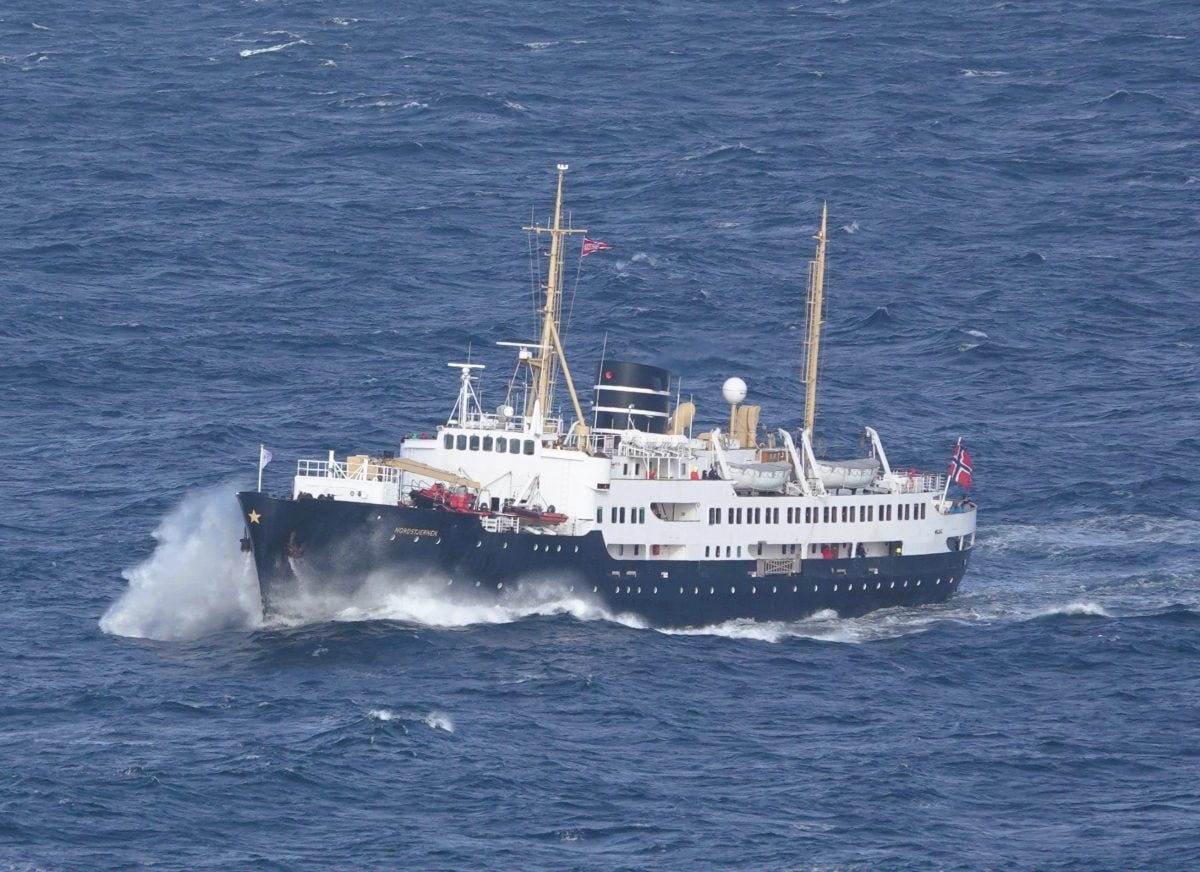
An easy way to see the world, and in comfort, is to take a cruise holiday. This travel sector is experiencing a boom, with increasing numbers of people taking to the high seas. A record 31.7 million went on cruise holidays in 2013, according to the Cruise Lines International Association, a representative body based in Washington, DC, and the figure is projected to reach almost 40 million next year.
Elaine Warren of The Family Cruise Companion, a resource that helps people plan cruise holidays, says the sheer number of people disembarking at various stops along a cruise to take in the local sights can be overwhelming if not properly managed.
“With the demand to visit popular ports and attractions surging,” she says, “families have been forced to schedule their time. And with thousands of passengers arriving all at once, even a simple thing like going to the beach or a historic site turns into a managed queue.”
A major issue, she says, is that many cruise holidays promote a large number of attractions for every port they drop anchor in. “Aiding and abetting the problem are the ship’s ‘top-ten’ shore excursions, which have the effect of funnelling everyone to the same places at the same time.”
Warren says that when she has been on such cruises with multiple trips to local spots, she found herself “spending more time in lines than exploring”.

Cruises would be better off just having one activity per port, she advises, one that uses either bus or taxis to get people from the ship to there, and it shouldn’t be too far away but relatively near to the dock. The result? “Crowds fall away quickly and children can explore an area without being rushed.”
Taking Time to See the Sights

Taking your time to see the sights when you’re on holiday and not rushing around to pack it all in is something that Mark Brown insists is non-negotiable, for holidaymakers and the places they’re visiting. As co-founder of private tour company Let Me Show You London, he has seen it all and knows what to advise his clients on so they have a good time away.
“We were contacted last year by a family visiting from the US,” Brown said. “In their original plan, they’d allowed just 45 mins at the Tower of London, a site with nearly 100 years of history and stories.
“When 20-plus million visitors descend on London each year, everyone’s in such a rush. They risk missing the interesting bits. Like the graffiti prisoners scratched into their cell walls in the tower centuries ago. Those details stick with you far longer than another photo.”
Brown says tourist behaviour that makes overcrowding worse includes “[t]reating places like shopping lists — cramming five or six major attractions into one day, then following everyone else doing exactly the same thing.”
He recommends that travellers instead choose two or perhaps three places to visit per day, not double that number. He said the American family followed his recommendation and ended up spending three hours at the Tower of London, and later said it had been their favourite day in the British capital. “Not because they saw more places,” says Brown, “but because they actually got properly stuck into one.”
Adopting an Holistic Travel Approach
One way to overcome mass tourism and leave as little an impact as possible is to “blend in” and not stand out as a brash tourist, according to Alyse Race. She runs a website called The Invisible Tourist, which specialises in itineraries in Japan. “The aim is to minimise any negative impacts tourism has on locals, their communities, their culture and natural environment,” the site says.
Race adopts a more holistic approach to travel, saying that when people are going to “high-pressure destinations” — places struggling with severe levels of overtourism where they can outnumber locals 100 to one — she recommends they avoid the crowds and instead [feel], very consciously, their own presence in it”.
She says mass tourism “renders many trips a series of transactions rather than experiences, with travellers pre-booking and pre-filtering their meals, transport and sights before they ever touch down.
“In the process, they create an experience that, even when running like clockwork, is strangely unmoored from its location.”
The best holidaymakers, says Race, “deliberately leave holes in their itinerary to take part in the mundane rituals of local life — that is, to ride the bus, taste the bread, sit in the park”.
She adds that when people do this, they reduce demand on tourist-thronged places and really get a sense of a location and its attractions, something that’s hard to appreciate if you’re rushing around and focusing on what everyone else is doing.
Seeking Out Lesser Travel Spots
Conscious travel can also be about resisting the urge to visit places just because everyone else is. Whether it’s a traditional tourist favourite like somewhere in Spain, Italy or South America or the latest trendy destination, avoiding it and choosing a lesser-known place can not only boost sustainability but also help you to enjoy your time away all the more, experts say.
Jiayi Wang is one of them. “I spend much of my time in places that are far off the beaten track, where the arrival of just one bus or tour group can change the vibe suddenly and entirely,” she says.
“Overtourism in some parts of the globe may not look like noise and crowds, but rather an overwhelming demand placed on water resources, waste disposal systems and housing stock that ultimately impacts local inhabitants the most,” says Wang, who writes at travel blog The Diary of a Nomad.
The burden is on local residents and businesspeople to adjust when they’re overwhelmed by large numbers of people who turn up for a brief period, and it should not have to be like that, she says.
“Short-stay travel – trips where people fly in, take private transport and fly out the same day – is also often forgotten,” says Wang.
She urges people not to “[cram] in countless destinations” but to “travel more slowly, lodge in local guesthouses and regionally based hotel brands and rely on local regional transportation. This approach also spreads economic impact, reducing the constant pressures of arrivals and departures in fragile destinations”.

Keeping It Local for the Best Travel Experience
Slowing things down when on the road resonates with Sara Lawyer and her family of three. Chronicling their journeys at travel blog AtlasAdventured.com, she says she has “definitely seen the impact of overtourism”.
Too many people arriving in one place has the effect, says Lawyer, of driving prices up and making everything “so packed you can’t see anything or get a decent picture”. She offers some tips, based on her experience travelling to destinations around the world, that will let people enjoy their time away and give locals some respite.
Top of the list is not staying in the heart of a travel destination but near to it. “Lately, we have been booking stays just outside the main cities. During a trip to Paris, we stayed about 20 minutes outside the city centre, saved hundreds on our stay, and took public transportation into the city, which is super cheap and easy to navigate.
“We also learned to wake up and get out early, especially in Europe. We arrived at the Eiffel Tower around 7am, and honestly had the entire place to ourselves. In Spain, the Sagrada Familia was a ghost town at 8am.”
When dining at your location, Lawyer says it’s often best to cater for yourself. That means not going to crowded restaurants but getting everything you need at local supermarkets and cooking yourself. Take a picnic with you for during the day and if you are planning to dine out, choose a restaurant that’s outside the main city areas, she advises.
“Asking locals where their favorite eateries are has given us some of the best culinary experiences, all for a fraction of the price you’d pay at a crowded, tourist-driven establishment.”
Amid warnings of overtourism and rising local anger that can lead to attacks on visitors — like what has been experienced in Barcelona, when residents have used water pistols to spray tourists at cafes — more people than ever are appraising where they travel to. And they’re realising, say travel experts, that a careful and respectful approach is often the best way to do it, for themselves and everyone else.