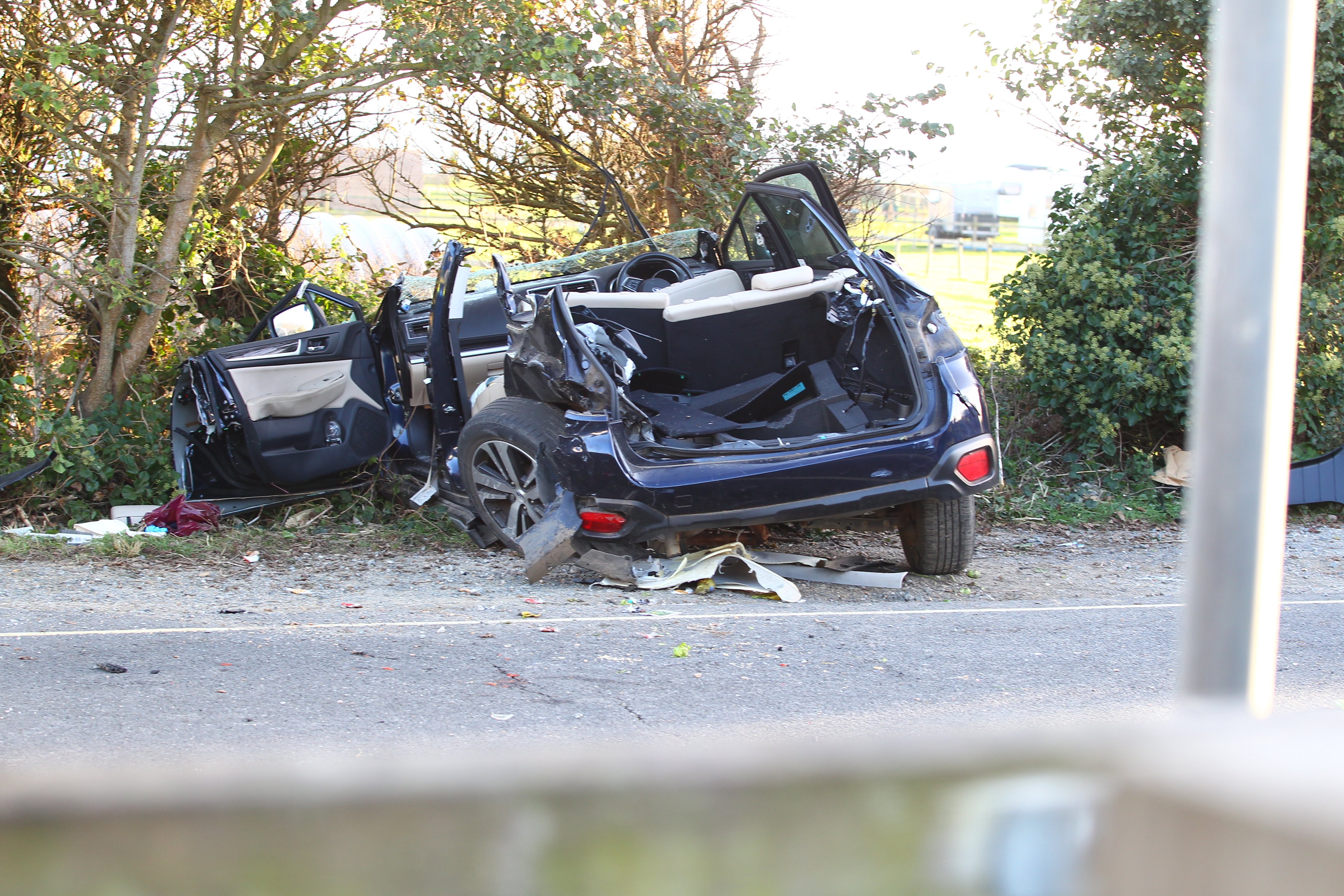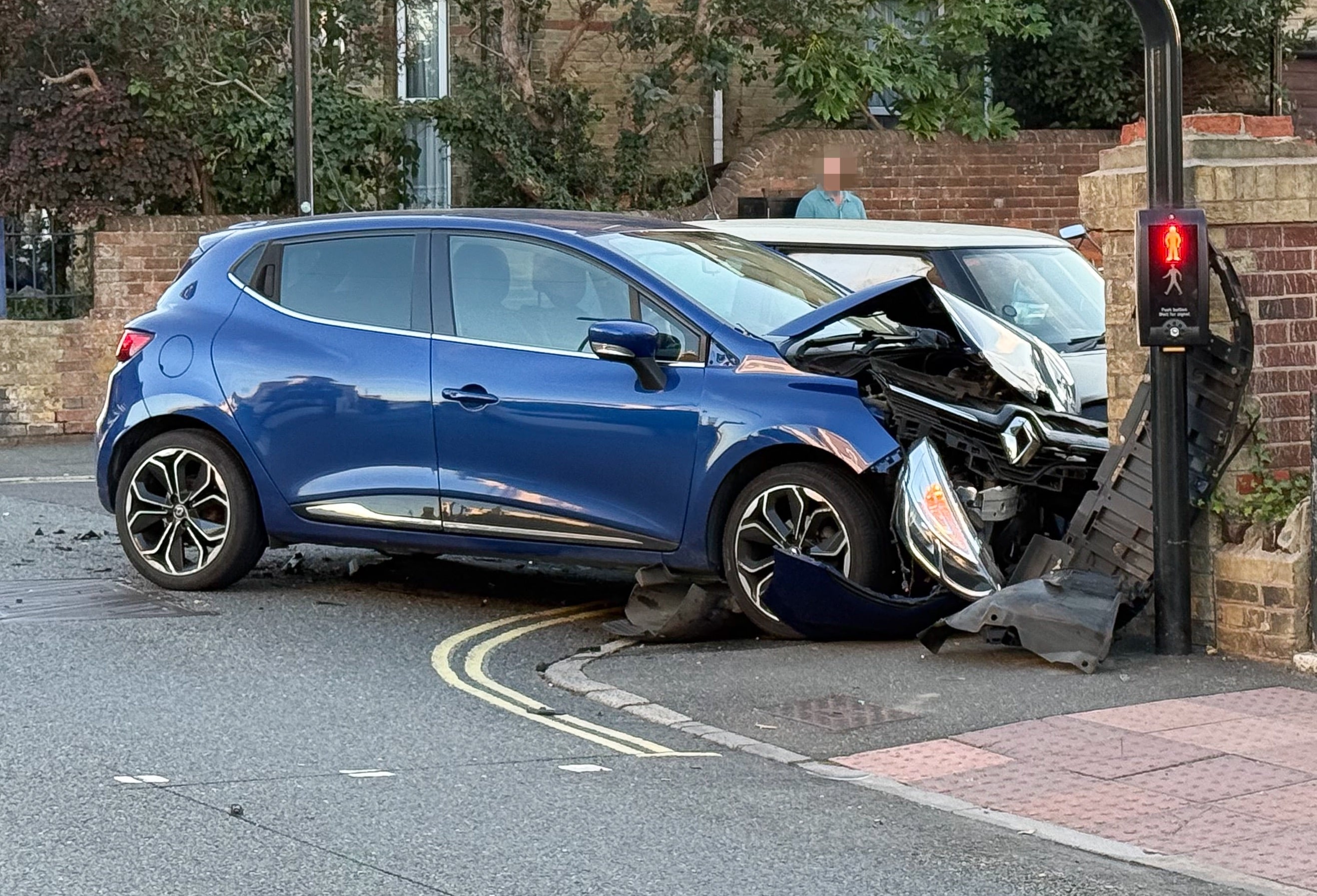





































































Modern car design has dramatically reduced injury rates in UK road traffic accidents through carefully engineered safety features. The most effective design elements work together to absorb crash energy, protect occupants, and minimise the severity of injuries during collisions. Research from the Department for Transport shows that advanced safety technologies have contributed to a 65% reduction in serious injuries over the past two decades.
Car manufacturers now integrate multiple safety systems that activate before, during, and after a crash. Energy-absorbing structures, reinforced passenger compartments, and intelligent restraint systems form the backbone of modern vehicle protection. These design innovations have proven particularly effective in reducing fatalities and serious injuries in both high-speed motorway accidents and low-speed urban collisions.
Energy absorption as the first line of defence
The front and rear sections of modern cars are designed to crumple in a controlled manner during impact. This crumple zone technology absorbs crash energy before it reaches the passenger compartment, significantly reducing the forces transmitted to occupants. Engineering data demonstrates that vehicles with optimised crumple zones reduce chest and head injuries by up to 40% compared to older designs.


Bumpers play a crucial role in this energy absorption system. Today’s reinforced bumpers extend beyond simple cosmetic protection, incorporating energy-absorbing materials and structural elements that work with the vehicle’s overall safety architecture. When considering replacement parts, quality components like rear and front bumper on the buycarparts.co.uk ensure continued safety performance. Studies indicate that cars equipped with reinforced bumpers show a 35% reduction in passenger injuries during low-speed crashes compared to vehicles with basic bumper systems.
Passenger compartment protection systems
The passenger cell, or safety cage, represents the strongest part of modern vehicle construction. High-strength steel and advanced materials create a rigid structure that maintains its integrity during severe impacts. This design prevents the passenger compartment from collapsing, providing crucial survival space for occupants.
Side-impact protection bars, reinforced door frames, and strategically placed structural pillars distribute crash forces around occupants rather than through them. European safety testing shows that vehicles with enhanced passenger compartment design reduce the risk of severe injuries by 50% in side-impact collisions.
Restraint systems and occupant protection
Modern seatbelt systems work with airbags and seat design to manage occupant movement during crashes. Pre-tensioners tighten belts instantly upon impact, while load limiters prevent excessive forces that could cause internal injuries. Advanced airbag systems deploy at different rates depending on crash severity and occupant size.
Statistical analysis reveals that the combination of modern restraint systems reduces fatality risk by 75% compared to basic seatbelt-only protection. Multiple airbags, including side-curtain systems, provide protection for various crash scenarios while minimising deployment-related injuries.

Technology integration and smart safety features
Electronic stability control, automatic emergency braking, and collision avoidance systems represent the latest evolution in vehicle safety design. These technologies work to prevent accidents entirely or reduce their severity when crashes cannot be avoided.
UK accident data shows that vehicles equipped with automatic emergency braking systems experience 25% fewer rear-end collisions. When combined with other active safety features, these systems contribute to an overall 20% reduction in traffic accident injuries.
To support these safety systems, drivers often rely on tools like a car manufacturer tyre finder to ensure their tyres match the vehicle’s specifications and maintain optimal performance on the road.
Impact of reinforced bumpers on injury rates
Research conducted by European safety organisations demonstrates the effectiveness of reinforced bumper systems in protecting vehicle occupants. In low-speed crashes (under 25 mph), vehicles with reinforced bumpers show consistently lower injury rates across all measured categories.
Comparative analysis of safety technologies
The following table summarises the effectiveness of key safety design elements in reducing different types of injuries during road traffic accidents:
| Safety Feature | Minor Injuries Reduction | Moderate Injuries Reduction | Severe Injuries Reduction |
| Reinforced Bumpers | 30% | 35% | 25% |
| Crumple Zones | 25% | 40% | 45% |
| Advanced Airbags | 20% | 30% | 50% |
| Side-Impact Bars | 15% | 25% | 40% |
| Pre-tensioned Seatbelts | 35% | 30% | 60% |
This data, compiled from extensive crash testing and real-world accident analysis, clearly shows how different safety features contribute to overall injury reduction. Notably, reinforced bumpers provide consistent protection across all injury categories, making them particularly valuable for everyday driving scenarios where low-speed collisions are most frequent.
Visual analysis of reinforced bumper performance
This graph illustrates the significant reduction in injury rates when comparing vehicles equipped with reinforced bumpers to those with standard bumper systems. The data shows that reinforced bumpers provide the most substantial improvement in moderate injury prevention, with a 35% reduction rate. Even severe injuries, while less common in low-speed crashes, show a notable 25% decrease with reinforced bumper technology.
Modern car safety design represents a comprehensive approach to injury reduction that continues to evolve with advancing technology. From energy-absorbing structures to intelligent safety systems, today’s vehicles offer unprecedented protection for UK drivers and passengers.
Sources:
- Department for Transport Road Safety Statistics
- European New Car Assessment Programme (Euro NCAP)
- UK Road Traffic Accident Analysis, 2024