





















































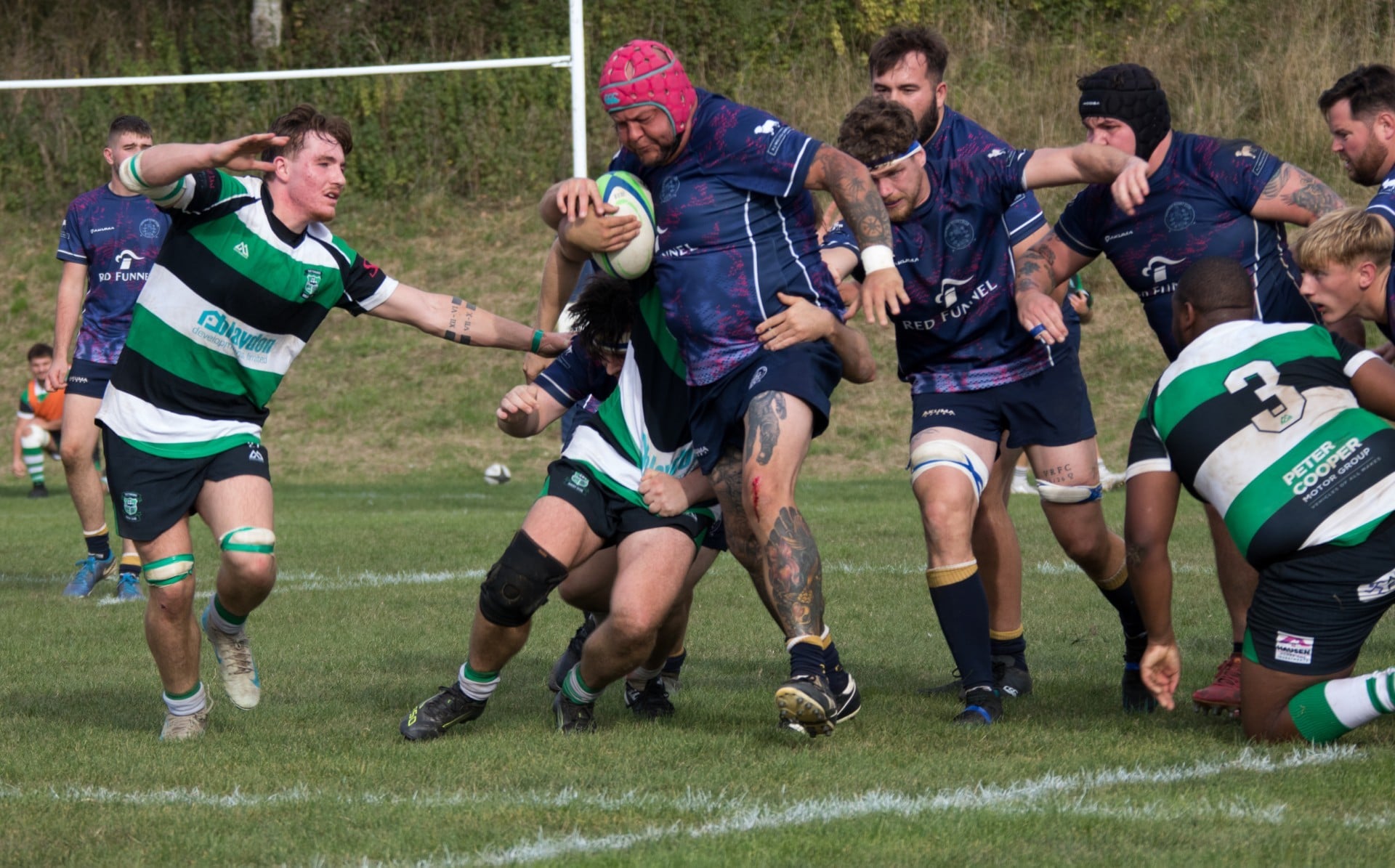


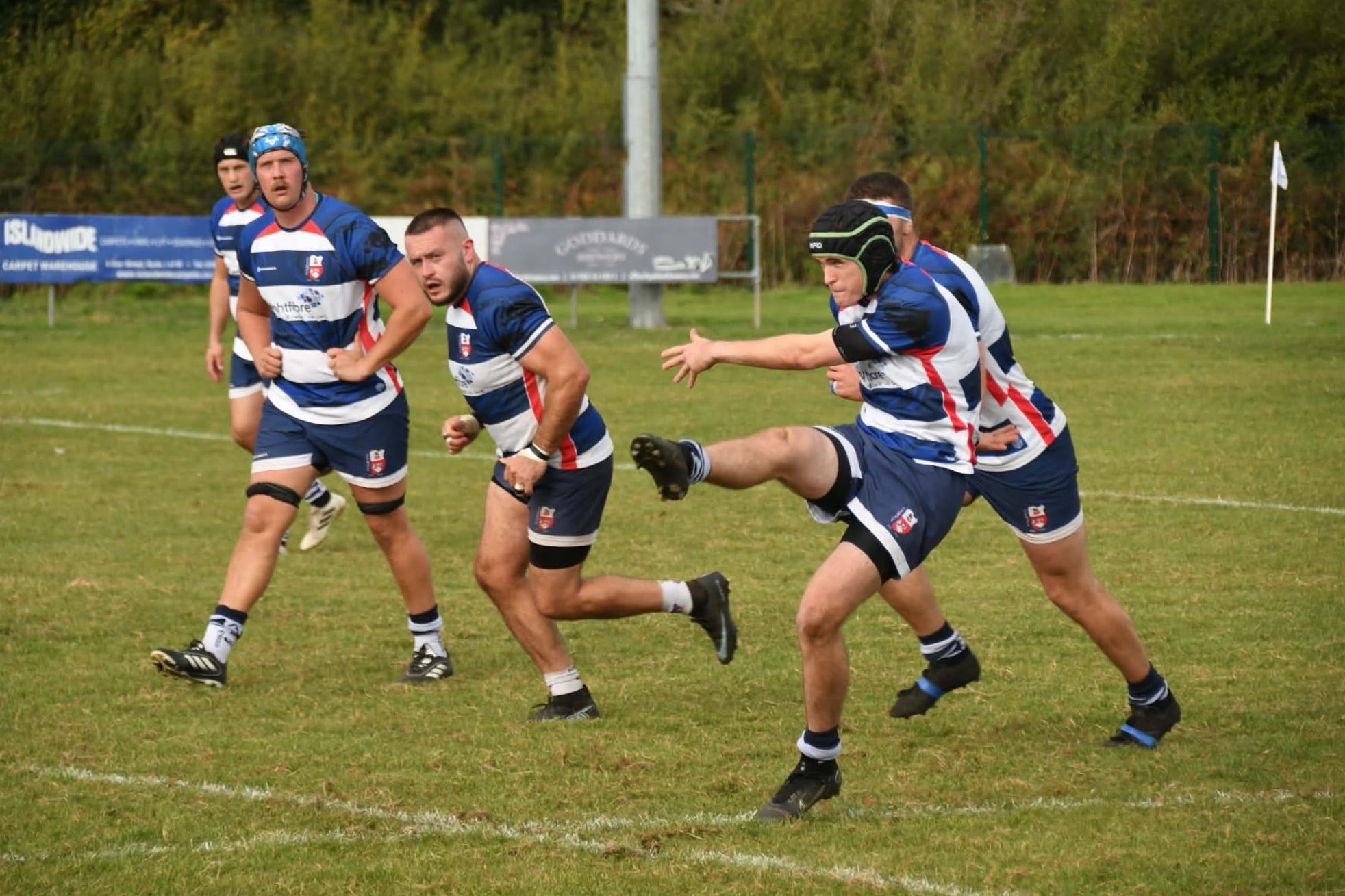









If you’ve ever attended a local football match or a cycling race here, you’ve probably noticed that sport is no longer just a game, but also a story about strategies and the occasional lucky prediction. Betting has become part of the atmosphere, and the way people follow results has changed the sport itself. It’s not just about money; it’s about excitement and fun. But with all these joyful things come risks for the players who regularly visit betting sites, as well as for those who sometimes trust their intuition a little too much. In this article, we’ll look at how betting shapes the local sports scene here.
Positive effect on local sport
Betting in local sports often gets a bad reputation, but it’s not all black and white. From another perspective, it can bring a serious dose of support to the sports we love. For example, smaller football clubs or cycling races often rely on sponsorships, and part of that funding comes directly from bookmakers or event betting. That money isn’t spent just on trophies; it helps renovate fields, buy better equipment, pay coaches, or organise prize funds for participants.
Beyond the financial side, betting increases the visibility of the sport. When people have a “stake” in a match or race, interest rises, more spectators attend events, and more people follow results online and in local media. This means that even lesser-known athletes get a chance to be noticed. At the same time, organisers are motivated to improve the quality of events, because bigger audiences and better engagement often translate into higher revenues.


It’s also interesting that betting can bring the community together. People gather in cafés, betting shops, or online groups to discuss strategies, exchange opinions, and follow results. This social layer often adds extra energy to events that might otherwise feel more ordinary.
But there are also risks
Like any medal, this one has another side, and it’s not exactly shiny. When betting crosses the line from entertainment to obsession, it can eat away at both the sport and the people who follow it. The biggest problem is that part of the audience stops watching the game for the love of the sport and starts seeing it only as a way to make money. That can kill the genuine enthusiasm, especially among younger fans who are just stepping into the world of sports.
Then there’s the classic story of losses, when you wager more than you can afford, the sport stops being a pleasure and turns into a source of stress. People no longer talk about who scored in the 90th minute, but about how much it cost them. In local communities, this can cause serious issues because losses often leave consequences beyond sports, family arguments, debt, and even giving up on attending matches altogether.
The sports betting industry has undergone a complete transformation. There’s also the risk of the sport being exploited in the wrong way, match-fixing and suspicious odds aren’t reserved for big leagues. Smaller local events can sometimes be an easy target, and that undermines the credibility of both the sport and the community that supports it.
That’s why it always comes back to the same point: no matter how many benefits betting can bring, once the balance is lost, the sport loses its soul. And that’s the last thing we should ever allow.

Responsible betting
Responsible betting isn’t some boring slogan bookmakers stick at the bottom of their website just to tick a box. When done right, it’s what keeps the sport healthy and the people in the game, but in a good way. In practice, that means having clear limits on how much can be wagered, monitoring suspicious activity, and acting fast when it’s clear someone is going too far.
Regulation plays a key role here. It’s not just about taxes and licenses, but about local authorities setting rules that protect both the players and the sport itself. Transparent odds, banning bets on certain sensitive matches, and even mandatory educational programs for those who bet, all of that can make a difference. Good regulation also benefits clubs and the community. For example, part of the betting revenue can go directly into funding local sports programs or youth teams. That way, you create a cycle where betting doesn’t just avoid harming the sport; it actually helps push it forward.
At the end of the day, it all comes down to balance. If the rules are there and respected, betting can stay fun, and sport can remain what it’s meant to be: passion, rivalry, and togetherness, not a desperate race to cover losses.
Ballance keeps the game alive
When you add it all up, betting is like a spice in sports; it can enhance the flavour, but if you overdo it, it ruins the whole dish. In local communities, especially in smaller towns, it can be a serious source of support for clubs, tournaments, and the development of young talent. It’s no secret that many teams have survived thanks to sponsorships and revenue from the betting industry.
Of course, it comes with risks. Without clear rules and responsible play, the line between fun and trouble is easy to cross. That’s where regulation comes in, not as some bureaucratic obstacle, but as a mechanism that protects both the players and the sport. When smart rules are in place, betting can remain what it should be: part of the atmosphere, not the main story.
The best case is when a balance is struck, players enjoy themselves, clubs get support, and the community grows. And that’s perhaps the most important lesson: sport and betting can coexist, but only if they push each other forward, not pull each other in the wrong direction.