

























































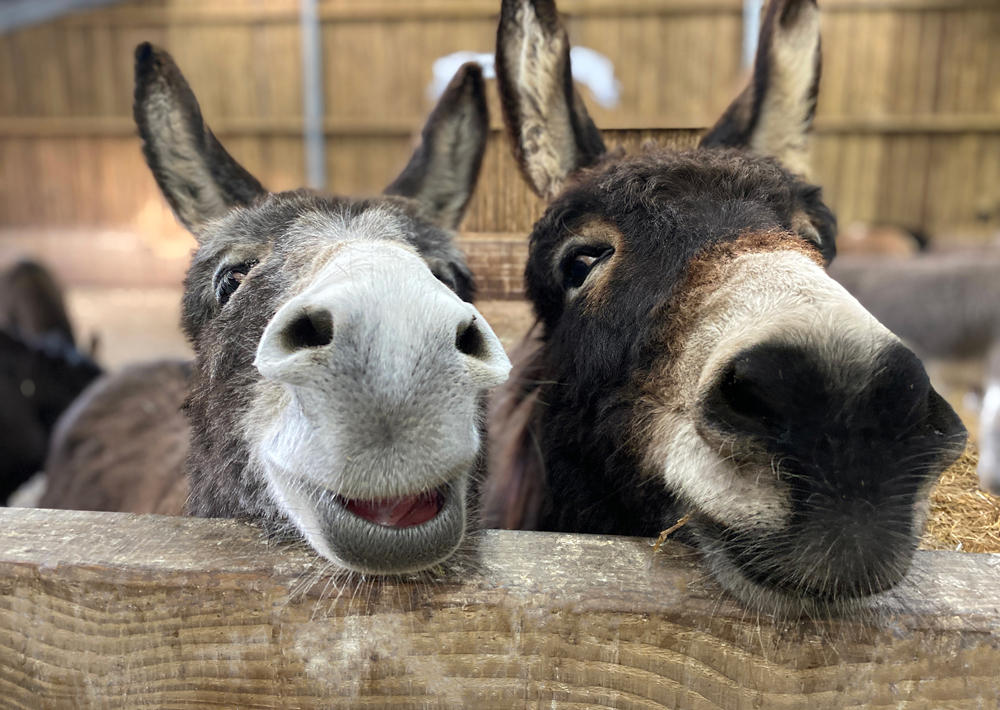

The Isle of Wight Donkey Sanctuary has announced that it will only be opening 5 days a week from November, to enhance the welfare of its donkeys.
From 4th November, the sanctuary will close to visitors on Thursdays and Fridays. These quiet days will allow staff to dedicate more time for health checks, personalised care and enrichment while providing the donkeys with extended periods of rest and stress-free grazing.
This initiative is part of a broader effort to establish the charity as a centre of excellence in donkey welfare. Over the past year, the sanctuary has invested significantly in welfare-focused improvements including the creation of new paddocks, enhanced shelter conditions, a refurbished care area for donkeys in need of extra attention, and additional training for staff in advanced equine welfare techniques.


This new opening schedule will ensure that the sanctuary continues to build on these improvements, providing the best possible care for donkeys and ponies.
The quieter days will also allow the sanctuary to strengthen its community engagement programme by hosting small groups, such as dementia care groups, who benefit from a more peaceful environment. This will allow the sanctuary to broaden its outreach and deepen its positive impact on the community.
Susan McCall, Chief Executive of the Isle of Wight Donkey Sanctuary, says:
“We’re incredibly proud of the steps we’ve taken to further enhance our donkeys’ welfare. We love seeing visitors enjoy the sanctuary and we also recognise the importance of protecting the well-being of our animals. It’s vital that we balance our commitment to welcoming the public with the need to prioritise the peace and care our donkeys need for a happy, healthy life.”
Dawn Finney, Chair of the Isle of Wight Donkey Sanctuary, adds:

“On behalf of the trustees, I want to thank everyone who supports the sanctuary – from our wonderful visitors to our hardworking staff, volunteers, our fundraisers and donors. We’re thrilled to be moving towards a sustainable future where both our animals and the community can continue to thrive.”