





































































Working from home has changed the way we think about our interiors. A home office is no longer just a place to put a laptop. It has become a space where concentration, comfort, creativity, and well-being all need to meet. Whether it is a separate room, a quiet corner, or a carefully arranged part of the living room, the way a home office is designed can have a real effect on how we feel and perform during the day.
Many people focus first on practical questions: Where should the desk go? Which chair is comfortable enough? How much storage is needed? These details matter, but a good home office should do more than function. It should help create a state of mind. It should make it easier to begin work, stay focused, avoid distractions, and switch off again when the day is done.
A trend analysis by vidaXL shows that the interest in home office ideas is increasing and that the physical environment can influence attention, mood, and cognitive performance. Lighting, colour, layout, clutter, and natural elements all affect how the brain responds to a space. In a world of constant notifications and digital overload, this matters more than ever. The home office should not add to mental noise. It should help reduce it.


A workspace should help you settle into focus
One of the biggest challenges of working from home is the lack of separation between personal life and professional tasks. When the dining table becomes the desk, and the sofa becomes the meeting room, the brain receives mixed signals. It becomes harder to know when to focus and when to relax.
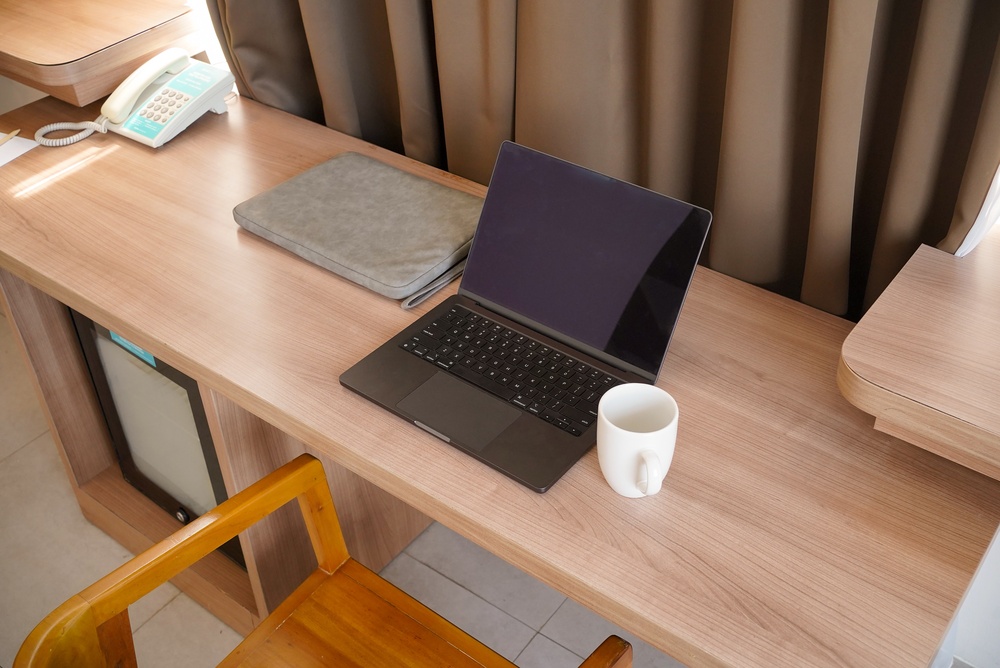
A dedicated work area helps solve this problem. Even if you do not have a spare room, creating a defined work zone can make a major difference. A desk placed in a quiet corner, paired with a comfortable office chair and nearby storage, immediately gives work a clear location. This kind of spatial boundary helps the brain understand that this is where concentration happens.
Visual cues can strengthen the effect. A rug beneath the desk, a shelving unit behind the chair, or a room divider can separate the work area from the rest of the home. These design choices are simple, but they help reduce the mental effort of switching between work and leisure.
Calm surroundings can reduce mental clutter
A cluttered workspace can make the mind feel cluttered too. Papers, cables, stationery, books, coffee cups, and decorative objects may seem harmless individually, but together they create visual noise. The brain has to process these objects in the background, even when attention is directed toward a task.
This can make concentration feel more difficult than it needs to be. A busy desk can quietly pull focus away from the work itself, while an organised surface creates a sense of calm and control. That does not mean a home office has to be empty or impersonal. It means every item should have a purpose or a place.

Light can shape the rhythm of the day
Lighting is one of the most powerful elements in a home office. It affects not only how well we see, but also how alert and comfortable we feel. Too little light can make the room feel heavy and tiring. Harsh light can cause glare and strain. Balanced lighting, on the other hand, can help support energy and focus throughout the day.
Natural daylight is especially helpful, so it is worth placing the desk near a window when possible. This can make the workspace feel more open and connected to the outside world. However, the desk should be positioned carefully to avoid glare on the screen. A side-facing window position often works well.
Artificial lighting should be layered rather than relying on one strong ceiling light. A desk lamp provides direct task lighting, while softer ambient lighting creates warmth in the rest of the room. Adjustable lamps are particularly useful because the light can be changed depending on the task, time of day, and natural light available.
Colour can influence the mood of the workspace
The colours used in a home office affect the atmosphere of the room. Bright, intense colours may feel energetic, but they can also become distracting if used too heavily. Softer colours often work better for spaces where concentration is important.
Muted blues, warm neutrals, soft greys, off-whites, and natural tones can create a calm base. These shades make it easier to combine furniture, lighting, and accessories without the room feeling too busy. They also help the workspace feel more open and balanced.
Accent colours can then be added through smaller details, such as a chair cushion, wall art, lamp, or storage box. This allows personality and energy to enter the room without overwhelming the senses. For creative work, a few brighter touches may be inspiring. For analytical or focused tasks, a more restrained palette may be better.
The best home office supports the whole workday
A well-designed home office is not only about productivity. It is about creating a space that supports the full rhythm of the day: starting work, staying focused, taking breaks, and closing the laptop when work is finished.
This is why comfort and organisation should work together. A supportive office chair helps the body through long periods of sitting. A desk with enough surface area makes tasks easier to manage. Storage keeps distractions under control. Lighting supports energy. Colours and natural elements shape the mood of the room.
When these elements come together, the home office becomes more than a practical setup. It becomes a space that helps protect attention and support well-being. And with vidaXL’s assortment of home office furniture and storage solutions, it is easy to build a workspace that fits both your home and your working style. Desks, office chairs, bookcases, cabinets, and shelving units can all help create a room that feels calm, organised, and ready for productive work.