

















































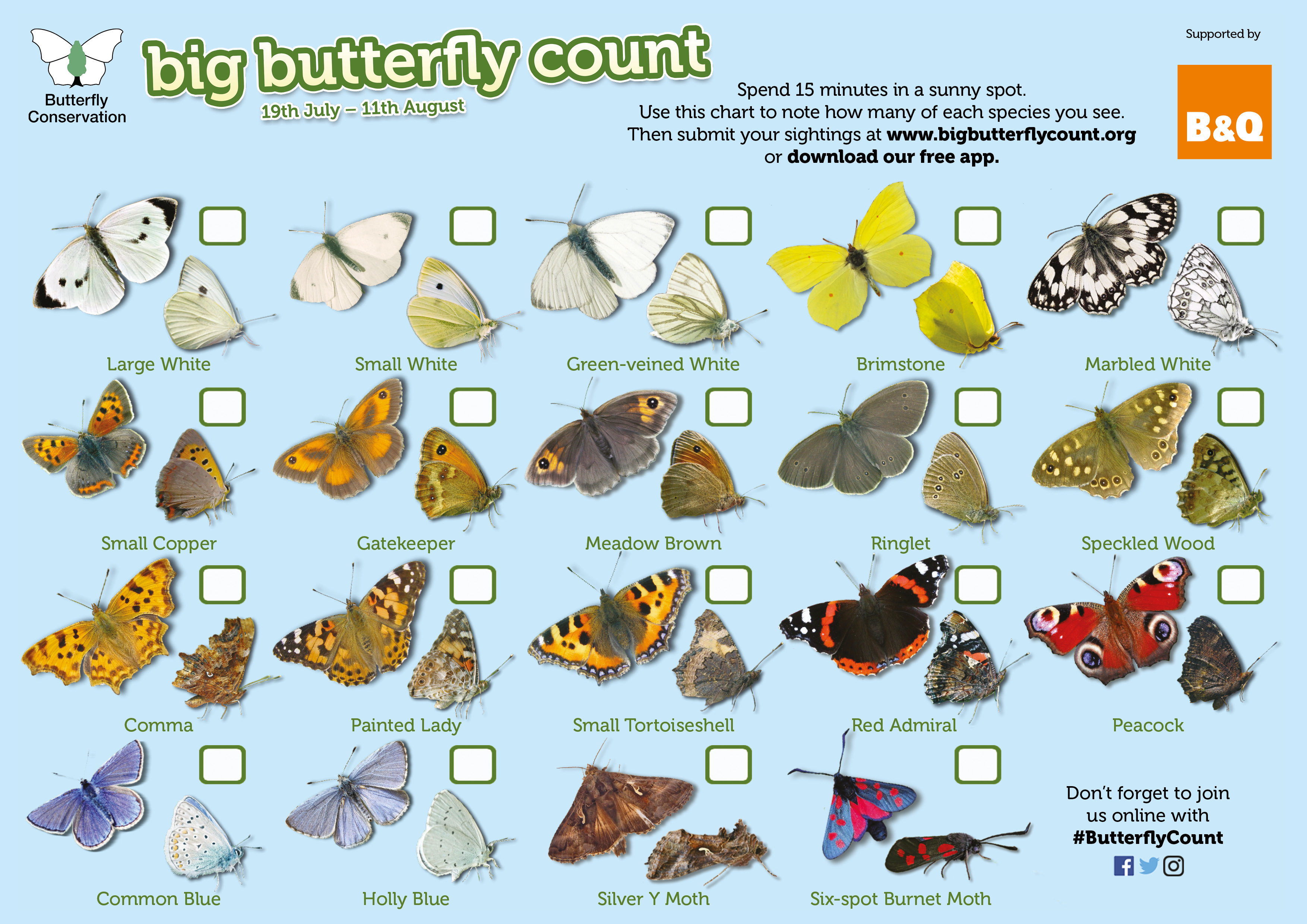
A beautiful blue butterfly which has been struggling for the last 40 years could be making a comeback, wildlife charity Butterfly Conservation has revealed.
The Common Blue is the most widespread of the UK’s blue butterflies and during the record-breaking hot weather in 2018, the butterfly’s numbers soared across the UK, increasing by 104% on the previous summer.
Now, with the country experiencing another heatwave and the Met Office forecasting above-average temperatures throughout August, experts are predicting the Common Blue could see its best ever summer.


As part of this year’s Big Butterfly Count, Butterfly Conservation is asking the public to look out for and record the Common Blue they see across England and Wales. The butterfly is not typically found in gardens, preferring unimproved grassland such as downland, woodland clearings, heathland and even sand dunes.
Butterfly Conservation’s Senior Surveys Officer, Dr Zoe Randle, said:
“People should be able to spot these butterflies in National Parks areas as their caterpillars mainly feed on the wildflower, Common Bird’s-foot-trefoil.
“In England last year, the butterfly’s numbers were up 110% from 2017 and in Wales their numbers were up 94% for the same period.
“However, numbers of the first brood which emerged in June were slightly down on last year, so it will be interesting to see how the second brood emerging in August will respond to the heatwave.
Article continues below this advertisement “It would really help us if people could get outside and look for this butterfly, so we can see if its fortunes really have turned around or if the Common Blue still needs our help.
“We’re also keen for people to keep recording any Painted Lady sightings, as this could be a record year for them – in just two days last week, people across the UK counted more than 30,000 Painted Lady butterflies and thousands more have been seen since then, so keep counting and we’ll reveal the total number after Sunday 11 August!”

Common Blue males have unmarked, bright blue upperwings, but females have orange crescents and dark spots near the outer edges on a ground colour that varies from purple-blue to dark brown, with a mere tinge of blue near to the body. The underwings of both sexes have numerous black spots, with white halos and orange marks around the edges.
The Big Butterfly Count, sponsored by B&Q, runs until Sunday 11th August. Taking part in the Count is easy – find a sunny place and spend just 15 minutes counting every butterfly seen and then submit sightings online at www.bigbutterflycount.org.









Common Blue or Adonis ??
Every year until this year, the old graveyard at Bembridge, Lukes I think it is called, was full of beautiful butterflies and wild flowers. A Summer haze of horse daisy, yellow rattle, knapweed, eyebright and many British flowers, which although stunning, I am unsure of all their names.
This year, workmen have strimmered the whole into a desolate, ugly wasteland.
Now no wildlife exists at all. Those graves being so old were almost all uncared for, and it was as if the hand of God himself had decorated them with wild flowers, beautifying them, one and all, now the partners and loved ones of those interred are to old, or are gone over themselves and so leaving them otherwise unloved and unkempt.
How pointless to destroy the food source, the creatures habitat and the eggs, and caterpillar destroying now the next years generation too.
British people complain about the lack of wildlife and how wonderful it is when they go abroad, yet do stupid pointless things in destroying a habitat that has taken years to develop and in a place where there is no pesticides used and unique chance to let ALL THINGS BRIGHT AND BEAUTIFUL to flourish.
I am sure two or three cellophaned wrapped bunches of Tesco’s flowers, left by those who still have caring living relatives will do little to enhance this gross carnage.
Just who is responsible?