















































 3 exceptionally rare and well-preserved shipwrecks discovered off the Isle of Wight and Dorset coasts have been granted the highest level of protection by Culture Secretary Nadine Dorries on the advice of Historic England.
The 16th century Shingles Bank Wreck NW96 and 17th century Shingles Bank Wreck NW68 were both discovered off the Needles Channel by divers Martin Pritchard and Dave Fox and have now been designated under the Protection of Wrecks Act 1973.
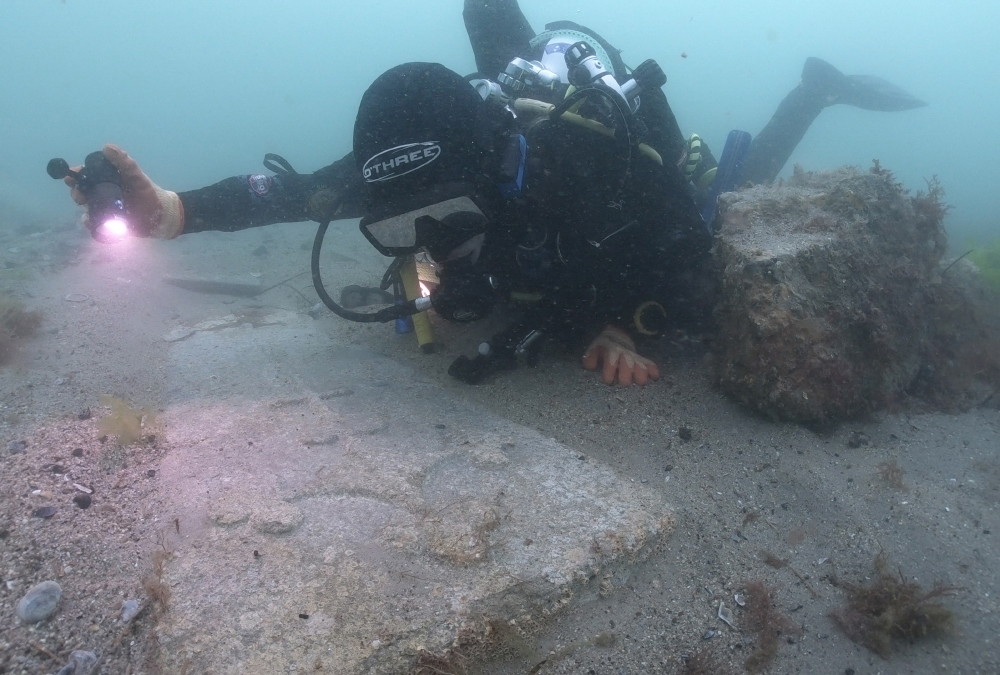
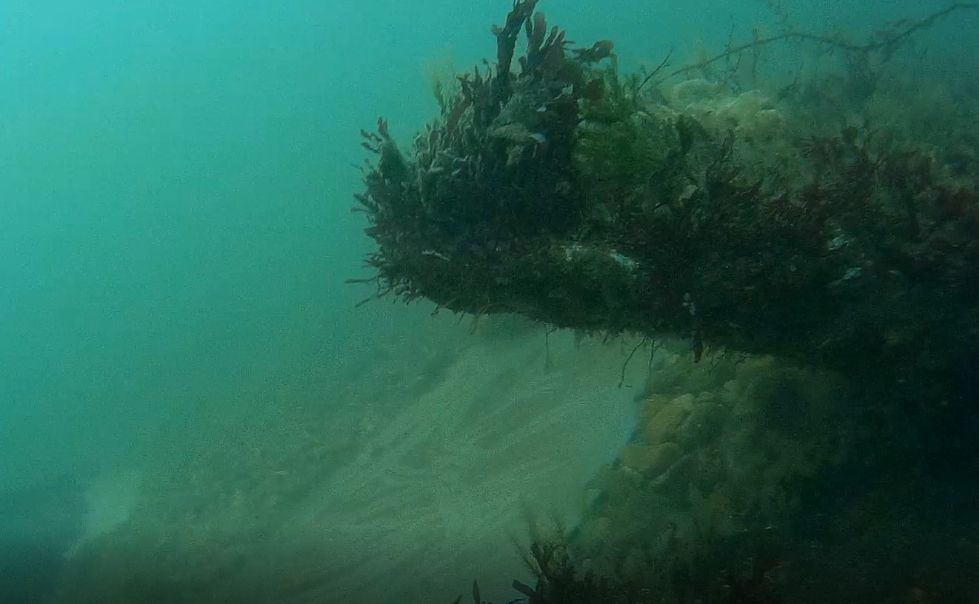
The 13th-century Mortar Wreck discovered in Poole Bay in Dorset with its cargo of gothic Purbeck stone gravestones is the oldest known protected wreck in English waters where hull remains can be seen. Tree ring dating of the wreck indicates that the timbers used to construct the hull are from Irish oak trees, felled between 1242-1265, during the reign of King Henry III.


The survival of 13th-century vessels is extremely rare, and prior to this discovery, there are no known wrecks of seagoing ships from the 11th to the 14th century in English waters. The wreck was discovered by Trevor Small who has operated diving charters from Poole in Dorset for the past 30 years.
With the addition of these wreck sites, there are now 57 Protected Wreck Sites in English waters. Their status means that divers need a special license administered by Historic England on behalf of the Department for Digital, Culture, Media and Sport to dive the wrecks. Their artefacts are protected and their condition is carefully monitored.
The Shingles Bank Wrecks
The Shingles Bank in the Needles Channel is a well-known navigational hazard for ships entering the Solent from the west. It is thought that both NW96 and NW68 became stranded on the banks before sinking.
Archaeological remains of these vessels include several cannons, a large anchor, at least 50 very large lead ingots with unidentified markings and stone cannonballs. The ingots are a fixed size and weight and would have been used as currency for trade – so they could be made into a variety of products including bullets, lead flashing on roofs and pipes.

Initial research suggests the lead ingots were cast from a furnace known as a ‘bole’. Boles fell out of use from around 1580, suggesting the NW96 wreck dates from the 16th or very late 15th century. This theory is supported by the presence of stone cannon balls, which were replaced with iron shot and were no longer used by the end of the 16th century.
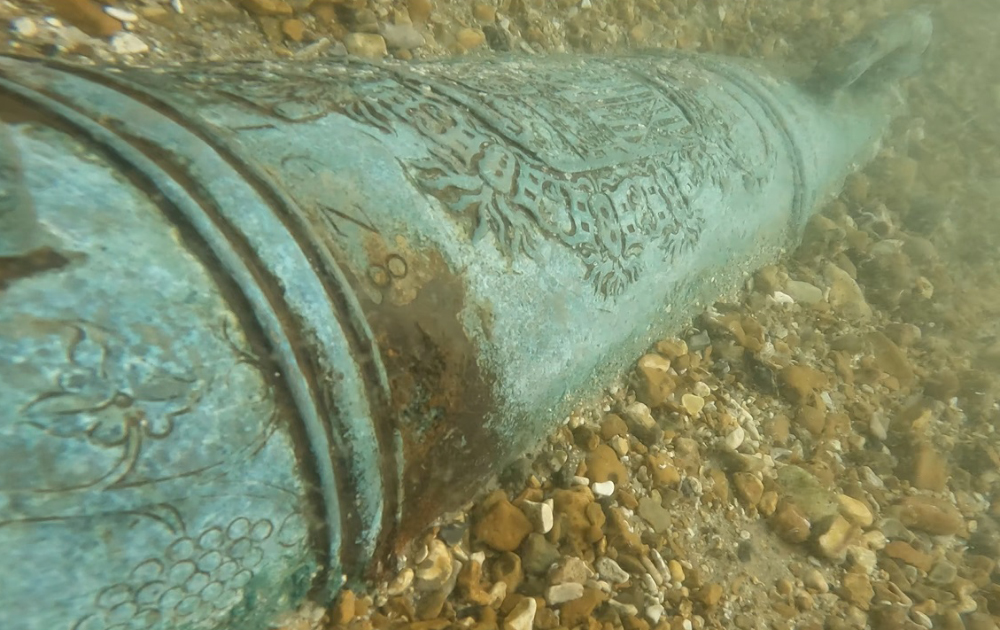
Analysis of the cannons indicates that one of them was cast in Amsterdam between 1621 and 1661, which helps place the NW68 wreck as a mid-late 17th century armed vessel, probably of Dutch origin. This indicates that the ship could have been associated with the Battle of Portland in 1653, when the fleet of the Commonwealth of England was attacked by the Dutch Republic during the First Anglo-Dutch War. The Netherlands was the maritime and economic power in the world during this period so this site could help further our knowledge of 17th-century seafaring activity.
The finds are being investigated by archaeologists from the Maritime Archaeology Trust and Wessex Archaeology, along with the finders Martin Pritchard and Dave Fox.
Heritage Minister Nigel Huddleston said:
“These fascinating shipwrecks can reveal so much to us about our national history and it is right that we protect them for future generations. The survival of the 13th century Mortar Wreck is particularly rare, with timbers dating to Henry III’s reign, and the 16th and 17th century Shingle Bank Wrecks shed light on historical trading.”
Martin Pritchard co-finder of the Shingles Bank wrecks said:
“I am very pleased that these shipwrecks dating to the 16th and 17th centuries have been granted the highest level of protection. They are a remarkable find. Working with Historic England, volunteer divers and archaeologists, we will continue to investigate, understand and record these wreck sites.”
The Mortar Wreck
Finds recovered from the Mortar Wreck includes 2 Purbeck stone gravestone slabs from Dorset, with 2 different gothic designs. They are in immaculate condition and the chisel marks can still be seen. These gravestones are found in church graveyards across the south coast. They are significant because they were pre-carved and are not blank slabs, which suggests a demand for highly skilled stonemasons and their products.
Other finds include a large cauldron for cooking soup, a smaller cauldron, which would have once had a long handle for heating water and mugs covered in concretion – a hard solid mass which forms over underwater objects over time.
The gravestone slabs would have either been carved at the quarries or at a workshop and are unpolished. One of the slabs features a wheel headed cross, an early 13th-century style, while the other features a splayed arm cross, common in the mid-13th century. Several Purbeck stone mortars used by millers to grind grains into flour have also been recovered.
One theory is that the ship may have been lost on its way out from the Dorset coast. Its destination is unknown. Historic England has been working closely with Bournemouth University and Trevor Small to investigate this wreck. Irish oak was widely exported for shipbuilding during the Medieval period and Purbeck marble gravestone slabs were widely used across the south of England and were exported to Ireland and the continent. This wreck reveals the rich web of maritime trade and contacts in the Channel and Irish Sea in this period.








Fantastic article – thanks. Great to see these histrical & precious wrecks protected from trophy scavengers
Agreed. Unfortunately tho this protection will do nothing for those intent on looting.
Really nice to read an article like this and amazing that these wrecks are so well preserved.