








































Island Echo examines the colourful career of Jabez Spencer Balfour, whose Liberator company enclosed Brading Haven before he fled to Argentina and was imprisoned in Parkhurst for a multi-million-pound fraud.
Did you know that the man who built the embankment between St Helens and Bembridge was arguably the greatest conman of the 19th century?
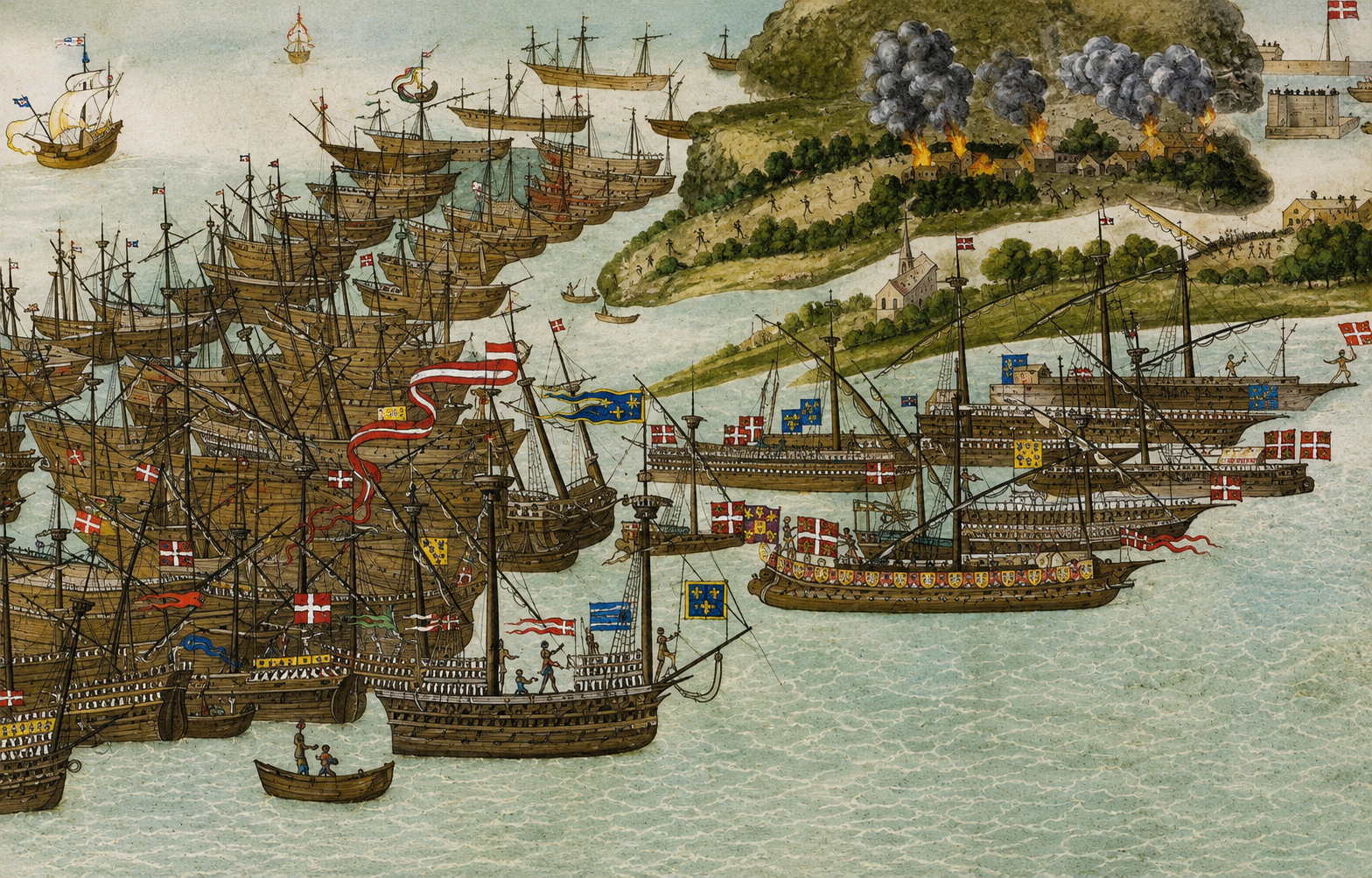
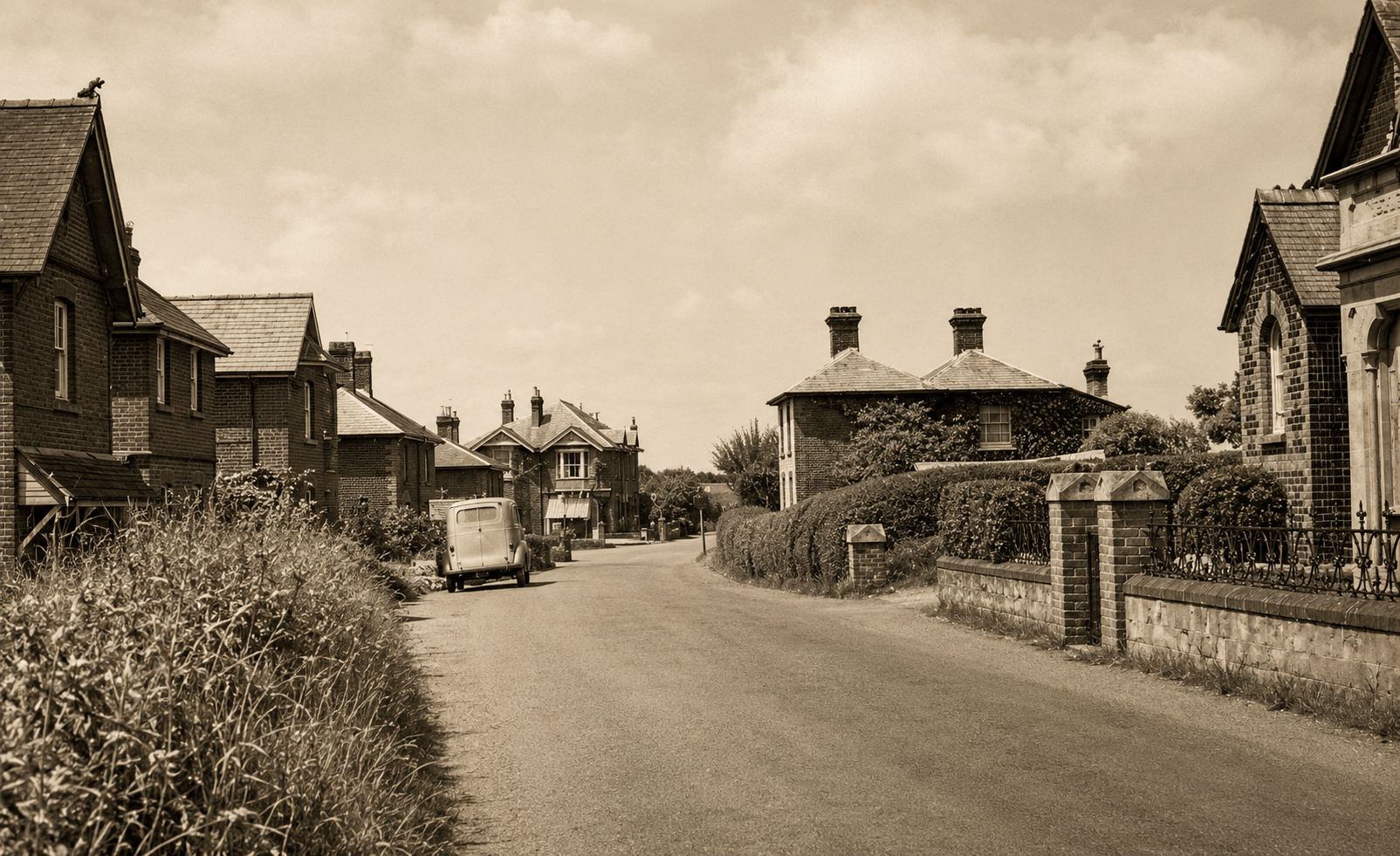
Before the 1880s, boats could sail 2-and-a-half miles upstream along the meandering channel of the Eastern Yar to reach the Quay in Brading. The area between Brading and Bembridge – known as Brading Haven – was a vast expanse of mudflats, covered beneath the sea at high tide. That changed when the railway line was built between Brading and Bembridge in 1882. The scheme was the brainchild of Jabez Balfour MP, an ‘entrepreneur’ who set up the Brading Harbour Improvement and Railway Company (BHIR) – a subsidiary of the Liberator Company – in 1874.

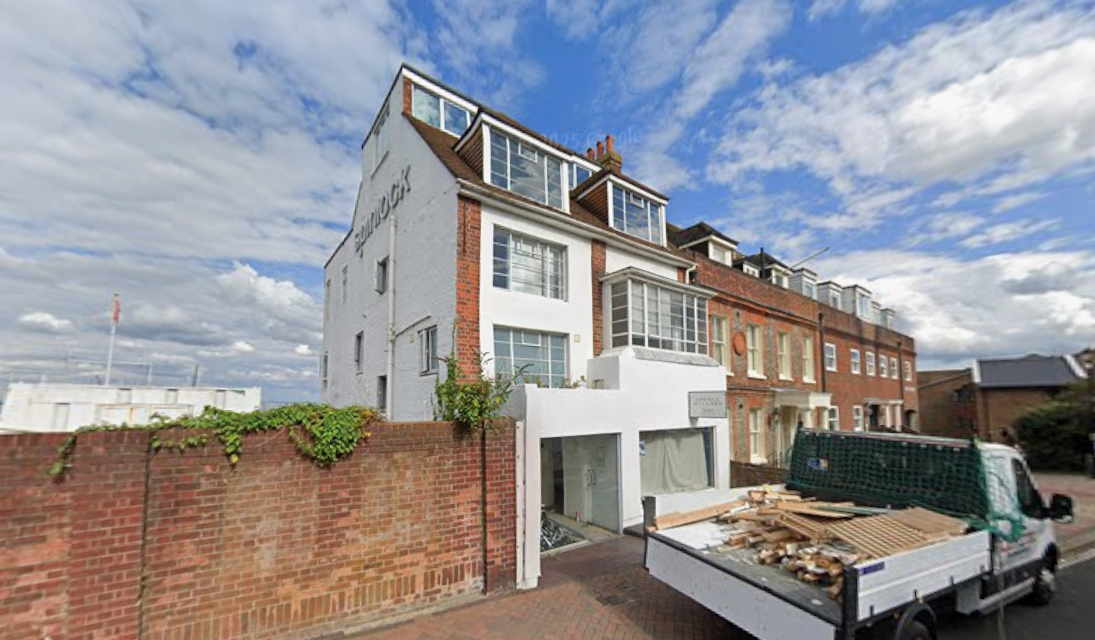
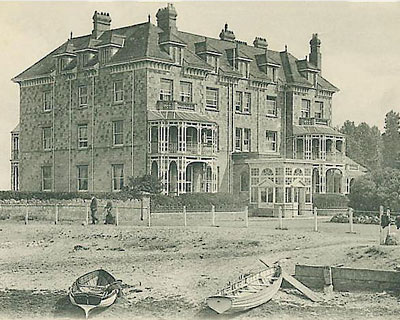
Balfour’s company reclaimed Brading Haven, cutting off Brading’s access to the sea. What’s more, it undertook the building of the massive former Royal Spithead Hotel at the end of the line in Bembridge. His investment included a train ferry from St Helens to Langstone Harbour.
The sleepy fishing village of St Helens was transformed into the Isle of Wight’s major port, and Bembridge became a significant tourist village. The whole scheme cost £420,000, a whopping £42million in today’s values.
However, Jabez Balfour was a fraudster. His Liberator Building Society – the UK’s largest in the late 19th century – was based on a chain of fictitious transactions between his various companies and overinflated assets. Contemporary reports described the company as an “octopus” with tentacles everywhere.
Balfour’s house of cards came crashing down in 1892. His business empire was found to have combined debts of £7million – 3/4 of a billion pounds in today’s values. Many of those who had invested in the Liberator Building Society lost their entire life savings. Hundreds were ruined, with some investors driven to insanity or suicide.
The caddish Mr Balfour fled the United Kingdom for Buenos Aries in a bizarre ménage à trois with his mistress and her sister. At that time, there was no extradition treaty between the United Kingdom and Argentina. Meanwhile, his lawful wedded wife Ellen Mead had been confined to a lunatic asylum.

In 1895, Balfour was arrested in Argentina by Inspector Frank Froest of Scotland Yard, who was renowned for his strength, for which he was nicknamed “the man with the iron hands”. Froest dealt with the lack of an extradition treaty between the 2 countries by simply bundling Balfour into a train and then on a boat sailing for England.
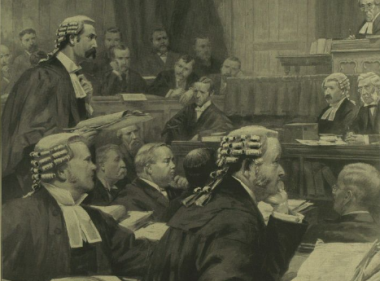
In November 1895, Balfour was sentenced to 14 years imprisonment at the Old Bailey, much of which was spent at Parkhurst, the judge telling him:
“You will never be able to shut from your ears the cries of the widows and orphans you have ruined.”
The railway line between Brading and Bembridge was sold to the Isle of Wight Railway in 1897 for the paltry sum of £16,500 (less than a million pounds in today’s values).
Jabez Balfour became a model prisoner in Parkhurst, where he sang in the prison choir and taught French to a fellow prisoner. It was feared that the aftermath of his trial might lead him to mental derangement, but he whiled away his time in incarceration by teaching himself Spanish to a high degree of proficiency. He also became a voracious reader, consuming “dry as dust” books on history and theology.
The infamous fraudster was released from Parkhurst Prison – 3 years early for good behaviour – in November 1906, aged 62. Waiting to greet him at the gates of the prison was a mystery lady who was said to have waited silently weeping in the corner of the carriage.
Jabez returned to the mainland via the Yarmouth to Lymington ferry, from where he went by train to Basingstoke. There, he was picked up by a car – the 1st he had ever seen in his life. On his release, he was said to be a changed man and turned his hand to journalism. He was hired by the Northcliffe Press – owners of the Daily Mail – to write an account of his prison experiences, which was later published in book form in My Prison Life.
Jabez Spencer Balfour died on a train from London to Wales aged 72.