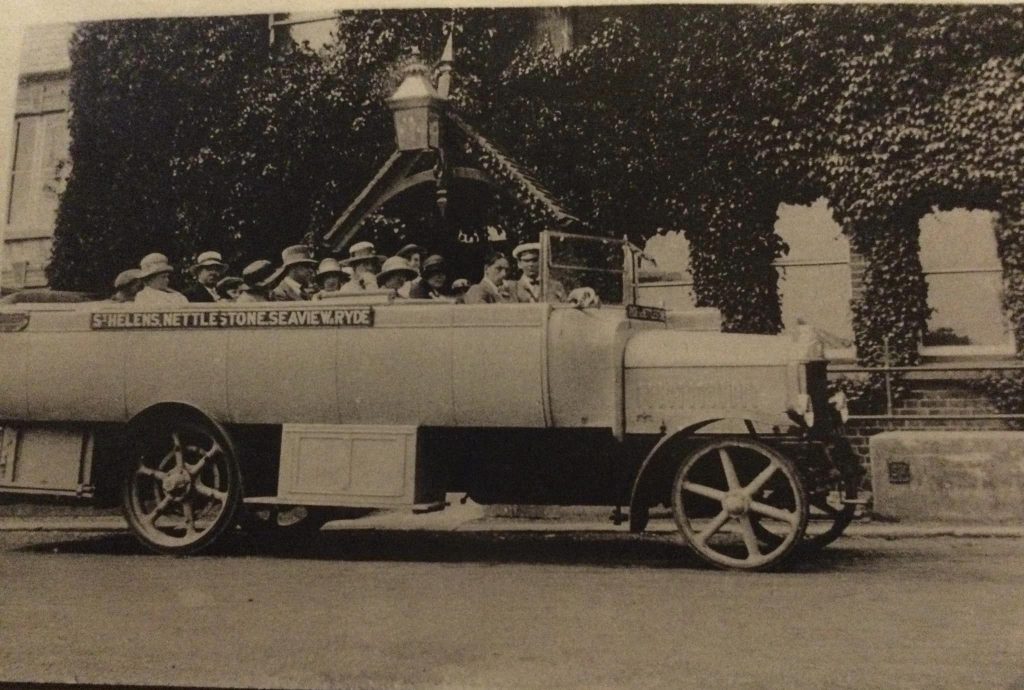
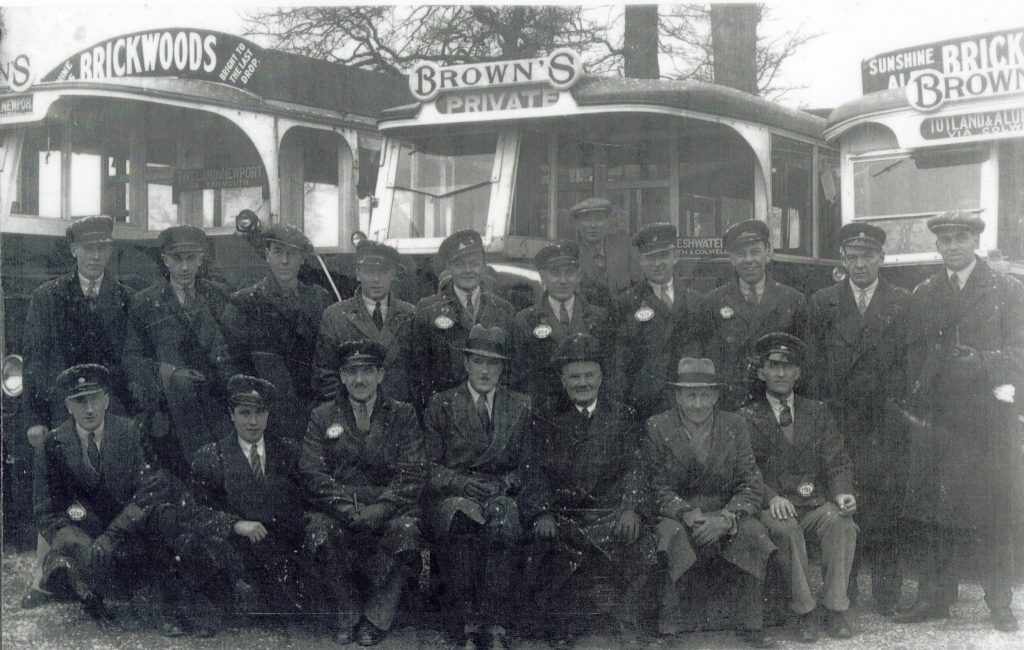
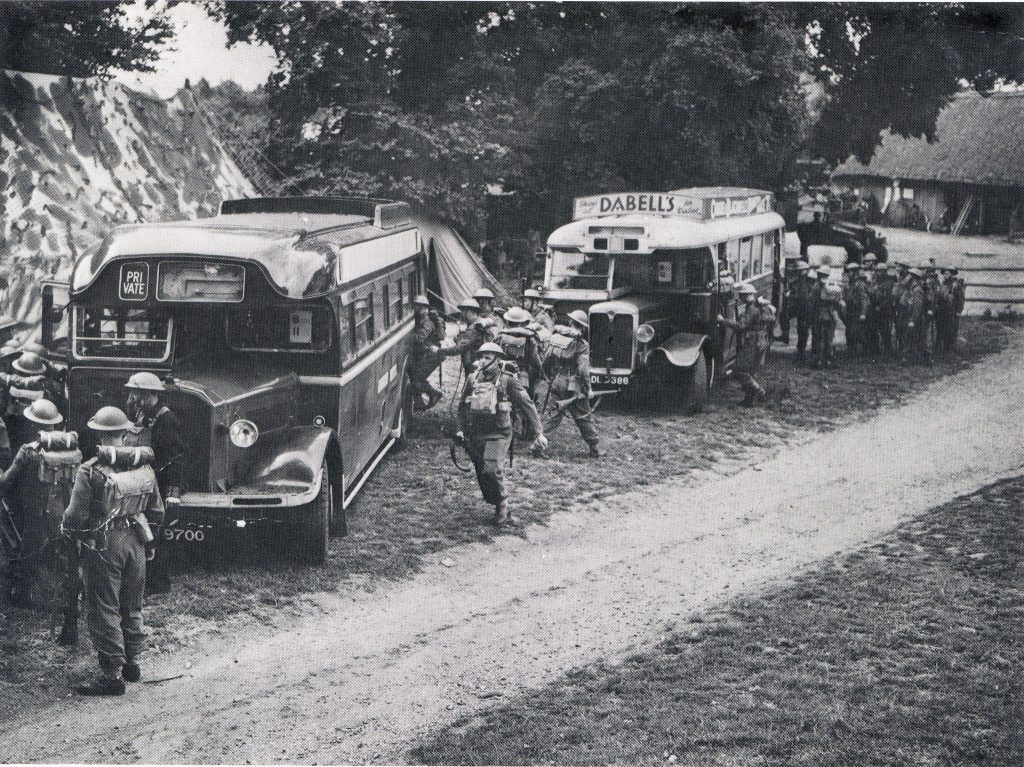
In the 4th and final edition of Isle of Wight buses, for now at least, Island Echo examines the early years of Southern Vectis up until the outbreak of war. Southern Vectis – an amalgamation of Southern Railway and the Vectis Bus Service – was formed on 1st March 1929. The leading Isle of Wight bus company enjoyed rapid growth in passenger numbers in its early years, with the number carried rising from 2.25million in 1928 to 3.5million in 1930. In 1930, the Road Transport Act sought to regulate bus services throughout the UK. Previously, bus services had been unlicenced, and bus companies would chase each other down the road to compete for passengers, sometimes leading to dangerous accidents. In 1931, the Southern area Traffic Commissioners held their first meeting for the Isle of Wight under the new Act. 24 of the 77 licence applications came from the Southern Vectis Omnibus Company (SVOC), of which all but 1 were granted. By June 1933, route numbers were allocated to Southern Vectis services, some of which have remained the same until the present day. For example, the 4 from Ryde to East Cowes and the 5 from Newport to East Cowes. Further changes and improvements included the introduction of uniforms and the iconic apple and green livery. 1935 Southern Vectis Dennis A In 1934, Southern Vectis completed the building of its main depot at Nelson Road in Newport for its then 66-vehicle fleet at a cost of £20,000 (around £1.2million in today’s values), on land bought from the Royal Isle of Wight Agricultural Society. The new depot was opened by Lord Mottistone on 24th June and was 1 of the largest in the South of England. SVOC started buying up the competing bus companies. 1 of the most interesting acquisitions was that of A.H. Creeth of Nettlestone, which had operated steam-powered buses into Ryde up until the 1920s (the last place in England where such a service survived). Its remaining vehicles consisted of open top charabancs. Open top Creeth charabanc Image: St Helens Historical Society Another company acquired by SVOC was Brown’s Bus Service – which operated in West Wight – in 1935. SVOC bought their 12 vehicles and their Princes Road, Freshwater depot at a cost of over £11,000 (£700,000 in today’s prices). Brown’s Buses Photo: Cowes Heritage Centre In 1936, SVOC purchased its first double-deckers for the Ryde-Cowes and Ryde-East Cowes routes. The Dennis Lance omnibuses were transported by barge from Lymington to Ryde. The arrival of the double-deckers necessitated the lopping of branches of overhanging trees on the Island’s roads. A further important innovation came in 1937: the first bus stops on the Isle of Wight! These were located in Ryde and Sandown. However, up until World War II, for most of the Island, buses continued to stop wherever passengers required. The pre-war years were ‘the age of the plane’. Southern Vectis operated a service to Ryde Airport (the site of present day Tesco) in 1937, and a further 29A service to Sandown Airport. At that time flights regularly departed to Portsmouth, Southampton and Shoreham, with further connections to major UK cities. Why are such air connections lacking today? The final significant development for SVOC was the completion of further depots. A new Ryde garage at Park Road – next to the railway line – was built in March 1938, as the former East Wight depot in Nettlestone had become too cramped. The new garage was large enough to accommodate up to 30 buses. It is now houses the Isle of Wight Bus and Coach Museum. Ryde bus depot (long before it became The Isle of Wight Bus and Coach Museum) A further bus depot was completed on Carter Road in Shanklin in 1939, large enough to accommodate 45 vehicles in what were then modern facilities. Sadly, the new bus depot was damaged by German bombing raids, leading to the construction of a new bus station on Landguard Road. On the eve of war in 1939, the Southern Vectis fleet consisted of 87 buses and 25 coaches; it operated 325 route miles in Summer and 230 in Winter; in the final year before the outbreak of war (1938), it carried 6.5million passengers. In August 1939, Southern Vectis received a midnight call to convey 250 troops from the Royal Artillery and Royal Engineers from Ryde Esplanade to anti-aircraft sites across the Island. Photo: Cowes Heritage Centre War was declared on 3rd December. 100 of the 400 Southern Vectis staff joined the armed forces, and 3 were sadly killed in action. Southern Vectis during World War II will be the subject of a future edition of Isle of Wight buses…
Thank you.
Very, very interesting and nice to read local history.
Willy Nilly
2 years ago
Thank you for such pleasant reading and informative without being dull
Wotawally
2 years ago
“Why are such air connections lacking today?” The sort of aircraft suitable would probably be unable to fly in strong winds, or fog. Finding somewhere to land on the North Island which has good transport connections is difficult: Southampton(Eastleigh) would incur high landing fees etc, which would not help with the economics of running the service.
Did Southern Vectis ever operate a service to Fishbourne? That is what is needed now to pick up all the foot passengers let down by the FastCats not operating due to all sorts of reasons.
The Vectis never did run a bus to Fishbourne as it was only intended to be for motorised vehicles and foot passengers only as an option. The old Pier Head vessels ran in atrocious conditions, so back then the ‘footies’ had no need to divert, unlike the smart-craft of today that are unsuitable for heavy pitching. However, one day last year, I caught the 00:50 from Portsmouth and was told there was a bus for Ryde that left Fishbourne at 01:40, but Vectis timetable, so if the boat was late hard luck. I rushed up the gangway and only just caught it. Oddly enough, I later found out that was the only Fishbourne bus of the week. I was extremely lucky or I’d have been stranded with luggage then have to haul it up to the main road and wait 4 hours.
The Vectis never did run a bus to Fishbourne as it was only intended to be for motorised vehicles and foot passengers only as an option. The old Pier Head vessels ran in atrocious conditions, so back then the ‘footies’ had no need to divert, unlike the smart-craft of today that are unsuitable for heavy pitching. However, one day last year, I caught the 00:50 from Portsmouth and was told there was a bus for Ryde that left Fishbourne at 01:40, but Vectis timetable, so if the boat was late hard luck. I rushed up the gangway and only just caught it. Oddly enough, I later found out that was the only Fishbourne bus of the week. I was extremely lucky or I’d have been stranded with luggage then have to haul it up to the main road and wait 4 hours.
Golly!
2 years ago
Very interesting these articles! Keep em coming
Nigel
2 years ago
Great story.
Nowdays the majority of buses are driven by females.
How times have changed.
Shirley Winn
2 years ago
This is brilliant news thank you. Would you be prepared to signpost your readers to IOW Bus and Coach Museum in Park Road Ryde. Free to enter, open for visitors on Sunday, Monday, Wednesday and Thursdays.Wholly run by volunteers. Come and see the vehicles that served the Island through the ages including our preservation of a 100 year old Daimler. 2 running weekends in May and October. We rely solely on donations and membership. Any help to get more visitors would be appreciated thank you for reading this
I second all of this. I spent my early youth at this depot. My father often took me to his place of work. In the late 60’s he refused to take on the new one man operated buses and be in charge with fare taking, so the Nelson Road managers moved him full time to Park Road depot, where he rostered the many coach drivers work for the day. To him it was a job; to me it was a world of adventure. Down in the pits with engineers, sometimes refuelling a bus, starting an engine and all the things Health & Safety would frown upon today, but very thrilling for small boy. Sad when it all closed down, but now very impressed when I have visited the museum in recent years. A nice bunch of enthusiastic, knowledgeable people and is well worth a visit.
Pops
2 years ago
Some fantastic photos there and interesting read.
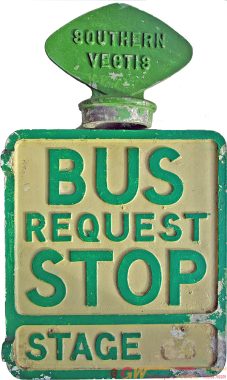
Such a shame all the old style signs have been replaced with the rubbish one now.
Same with the old style street lighting







































 In the 4th and final edition of Isle of Wight buses, for now at least, Island Echo examines the early years of Southern Vectis up until the outbreak of war. Southern Vectis – an amalgamation of Southern Railway and the Vectis Bus Service – was formed on 1st March 1929. The leading Isle of Wight bus company enjoyed rapid growth in passenger numbers in its early years, with the number carried rising from 2.25million in 1928 to 3.5million in 1930. In 1930, the Road Transport Act sought to regulate bus services throughout the UK. Previously, bus services had been unlicenced, and bus companies would chase each other down the road to compete for passengers, sometimes leading to dangerous accidents. In 1931, the Southern area Traffic Commissioners held their first meeting for the Isle of Wight under the new Act. 24 of the 77 licence applications came from the Southern Vectis Omnibus Company (SVOC), of which all but 1 were granted. By June 1933, route numbers were allocated to Southern Vectis services, some of which have remained the same until the present day. For example, the 4 from Ryde to East Cowes and the 5 from Newport to East Cowes. Further changes and improvements included the introduction of uniforms and the iconic apple and green livery.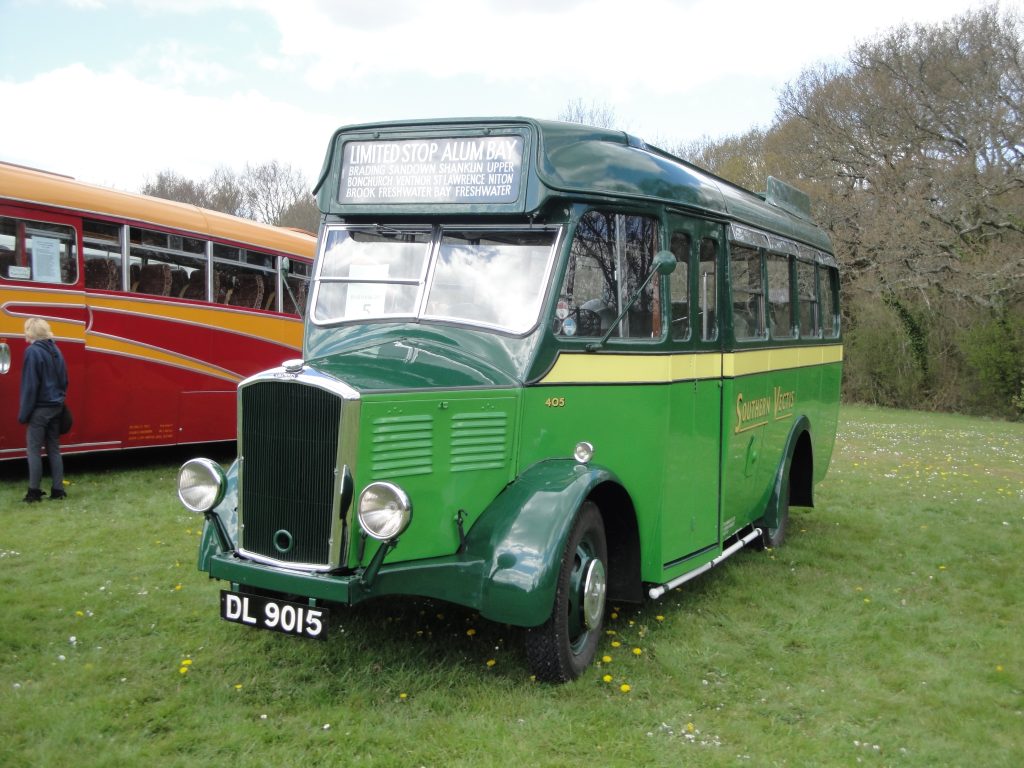











Thank you.
Very, very interesting and nice to read local history.
Thank you for such pleasant reading and informative without being dull
“Why are such air connections lacking today?”
The sort of aircraft suitable would probably be unable to fly in strong winds, or fog. Finding somewhere to land on the North Island which has good transport connections is difficult: Southampton(Eastleigh) would incur high landing fees etc, which would not help with the economics of running the service.
Did Southern Vectis ever operate a service to Fishbourne? That is what is needed now to pick up all the foot passengers let down by the FastCats not operating due to all sorts of reasons.
The Vectis never did run a bus to Fishbourne as it was only intended to be for motorised vehicles and foot passengers only as an option. The old Pier Head vessels ran in atrocious conditions, so back then the ‘footies’ had no need to divert, unlike the smart-craft of today that are unsuitable for heavy pitching. However, one day last year, I caught the 00:50 from Portsmouth and was told there was a bus for Ryde that left Fishbourne at 01:40, but Vectis timetable, so if the boat was late hard luck. I rushed up the gangway and only just caught it. Oddly enough, I later found out that was the only Fishbourne bus of the week. I was extremely lucky or I’d have been stranded with luggage then have to haul it up to the main road and wait 4 hours.
The Vectis never did run a bus to Fishbourne as it was only intended to be for motorised vehicles and foot passengers only as an option. The old Pier Head vessels ran in atrocious conditions, so back then the ‘footies’ had no need to divert, unlike the smart-craft of today that are unsuitable for heavy pitching. However, one day last year, I caught the 00:50 from Portsmouth and was told there was a bus for Ryde that left Fishbourne at 01:40, but Vectis timetable, so if the boat was late hard luck. I rushed up the gangway and only just caught it. Oddly enough, I later found out that was the only Fishbourne bus of the week. I was extremely lucky or I’d have been stranded with luggage then have to haul it up to the main road and wait 4 hours.
Very interesting these articles! Keep em coming
Great story.
Nowdays the majority of buses are driven by females.
How times have changed.
This is brilliant news thank you. Would you be prepared to signpost your readers to IOW Bus and Coach Museum in Park Road Ryde. Free to enter, open for visitors on Sunday, Monday, Wednesday and Thursdays.Wholly run by volunteers. Come and see the vehicles that served the Island through the ages including our preservation of a 100 year old Daimler. 2 running weekends in May and October. We rely solely on donations and membership. Any help to get more visitors would be appreciated thank you for reading this
I second all of this. I spent my early youth at this depot. My father often took me to his place of work. In the late 60’s he refused to take on the new one man operated buses and be in charge with fare taking, so the Nelson Road managers moved him full time to Park Road depot, where he rostered the many coach drivers work for the day. To him it was a job; to me it was a world of adventure. Down in the pits with engineers, sometimes refuelling a bus, starting an engine and all the things Health & Safety would frown upon today, but very thrilling for small boy. Sad when it all closed down, but now very impressed when I have visited the museum in recent years. A nice bunch of enthusiastic, knowledgeable people and is well worth a visit.
Some fantastic photos there and interesting read.
Such a shame all the old style signs have been replaced with the rubbish one now.
Same with the old style street lighting