


















































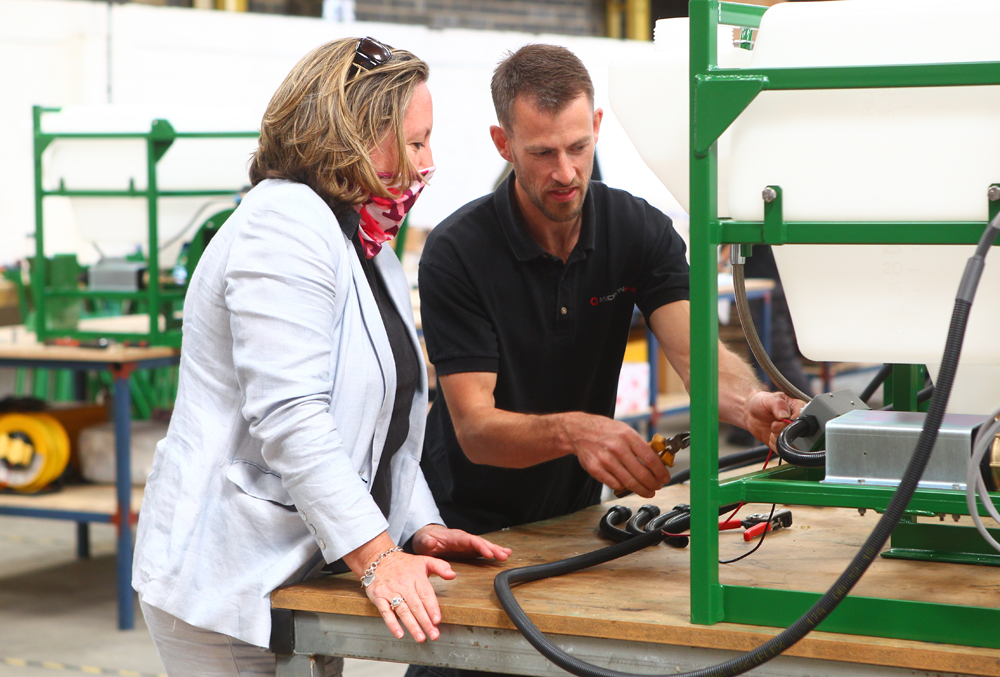

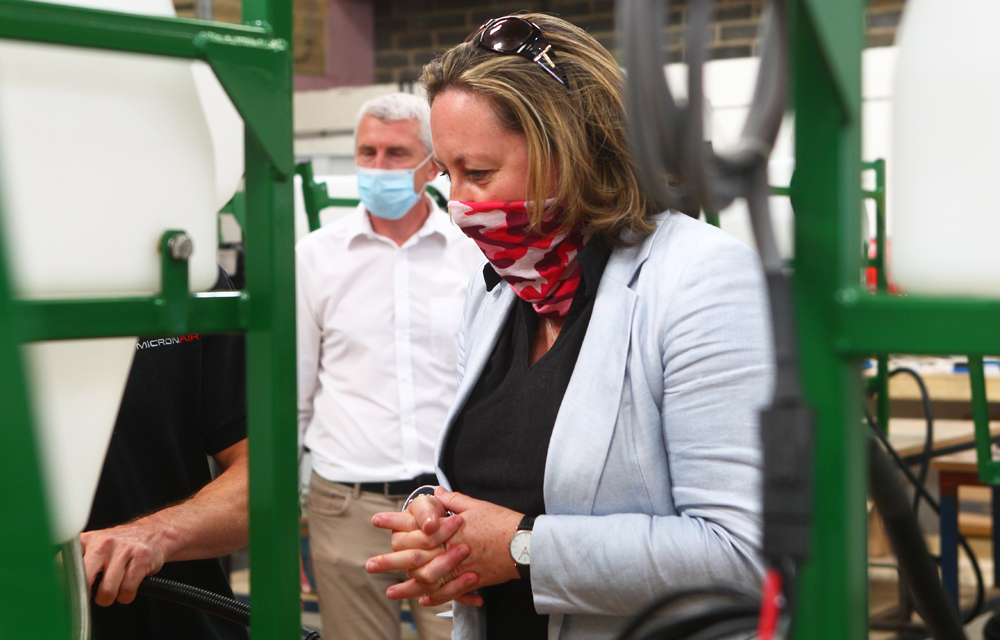
 International Development Secretary Anne-Marie Trevelyan has today (Thursday) announced £18 million of new UK aid in response to locust outbreaks across Africa and Asia during a visit to Micron Group here on the Isle of Wight.
The new UK aid support will be used to tackle this year’s unprecedented locust outbreaks, where millions of insects are destroying thousands of hectares of crops.
The impact of the plague of insects across Africa and Asia has been made worse by coronavirus, with vulnerable communities facing dwindling food supplies alongside the pandemic.


Micron Group, based at Culver Down with an assembly line at Spithead Business Park in Lake, are part of the international effort as they supply pesticide sprayers to the United Nation’s Food and Agriculture Organization (FAO).
Since January this year, the FAO has successfully controlled over 600,000 hectares of land, saved 1.2million tons crops with a value of $372 million and eradicated over 4 billion locusts in 10 countries in East Africa.
During this morning’s visit to the Island, the International Development Secretary met with the directors from Micron Group to discuss how their sprayers have been key to tackling locusts in highly affected areas across the world. She also saw how the sprayers are assembled at the Isle of Wight factory and took part in a demonstration on how they work in the field.
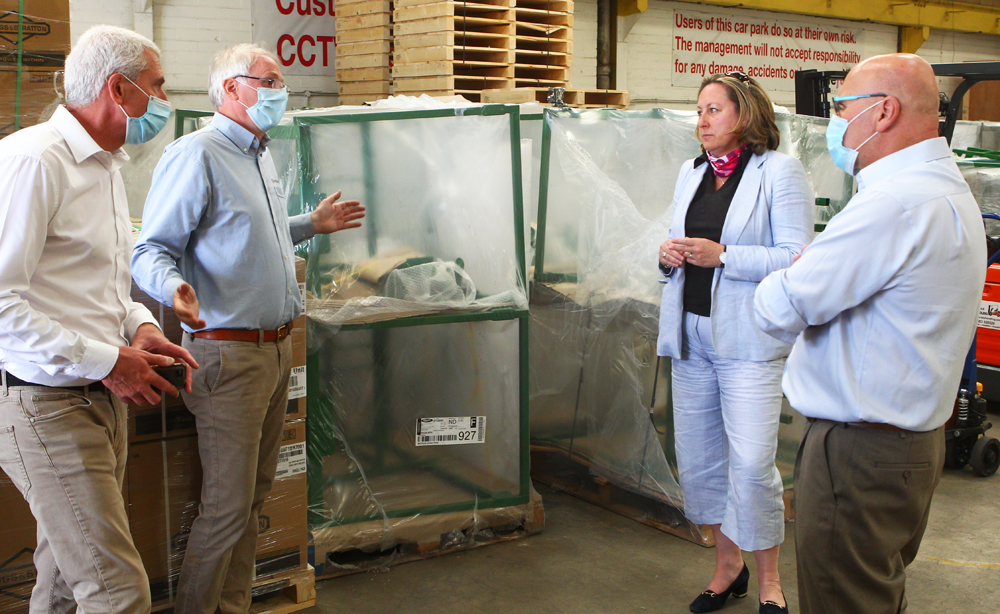
Speaking during the visit, International Development Secretary Anne-Marie Trevelyan said:

“Vulnerable communities are on the brink of starvation because of the biggest locust outbreak in decades, made worse by the coronavirus pandemic.
“British expertise is playing an important role in equipping companies with the right tools to combat the swarms and track where they will go next.
“But unless other countries also step up and act now, this crisis will spread and cause even more devastation.”
Anthony Outlaw, Micron Group Operations Manager, said:
“Micron are proud to support the world on the fight against locusts through supplying cutting-edge equipment for the FAO. We have continued to work tirelessly throughout the pandemic to meet this demand. The whole team understand the importance of tackling this outbreak and the impact on food security it has for millions of people.”
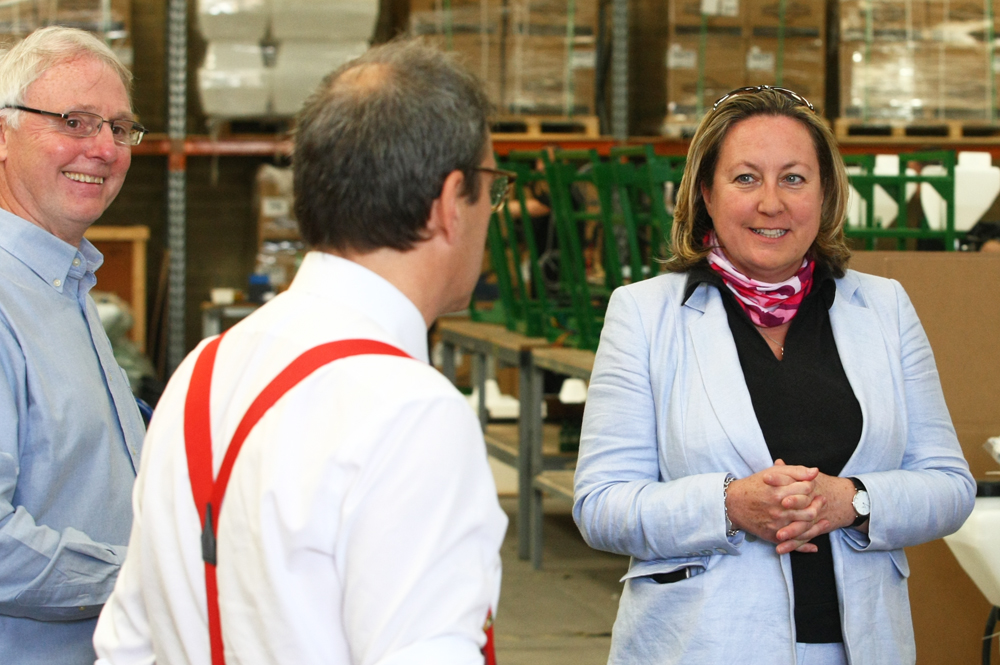
The Island’s MP, Bob Seely, was present at this morning’s tour. He said:
“It was great to welcome the Secretary of State to the Island and showcase what we have to offer the world here on the Island.
“The swarms of locusts in Africa and Asia are decimating crops and threatening livelihoods and we have one of the world leaders in spray application technology here on the Island who can help.
“I’m delighted Ms Trevelyan took the time to visit the Isle of Wight and I’m grateful that she is using a British company to assist with the crisis.”
Of the new funding announced today, £17 million will go to the FAO’s emergency appeal to help to control the increase of locusts across East Africa, Yemen and South West Asia, as well as reduce the risk of swarms spreading into the Sahel. The new funding follows £8 million provided by the UK earlier this year to the FAO appeal, supporting Kenya, Somalia, Ethiopia, Sudan, South Sudan, Eritrea, Djibouti, Tanzania and Pakistan to destroy these pests.
The World Bank estimates that the cost of supporting farmers and producers affected by locusts in East Africa and Yemen alone could reach $8.5billion by the end of 2020.










No matter is how much you British send or is to help Africa, they will never like you. It will never be enough. Best spend money here in UK Britain as many here now any ways. My country not spend on such. Crime is less in my land as few to come.
How sad Marcus to write such a comment, and I hope you thank Jesus that you are not living with the threat of going with out food and ones livelihood watching helplessly whilst all you have worked hard for has gone and you are faced with devastation for the whole community and possible starvation. And I pray you are you’re loved ones are never in a position where you might need aid from others