





























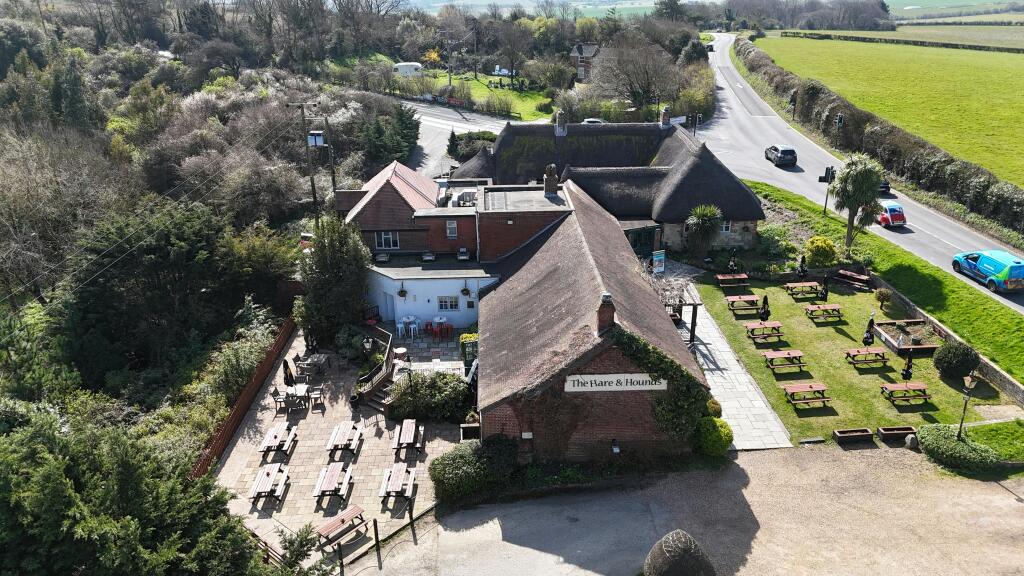













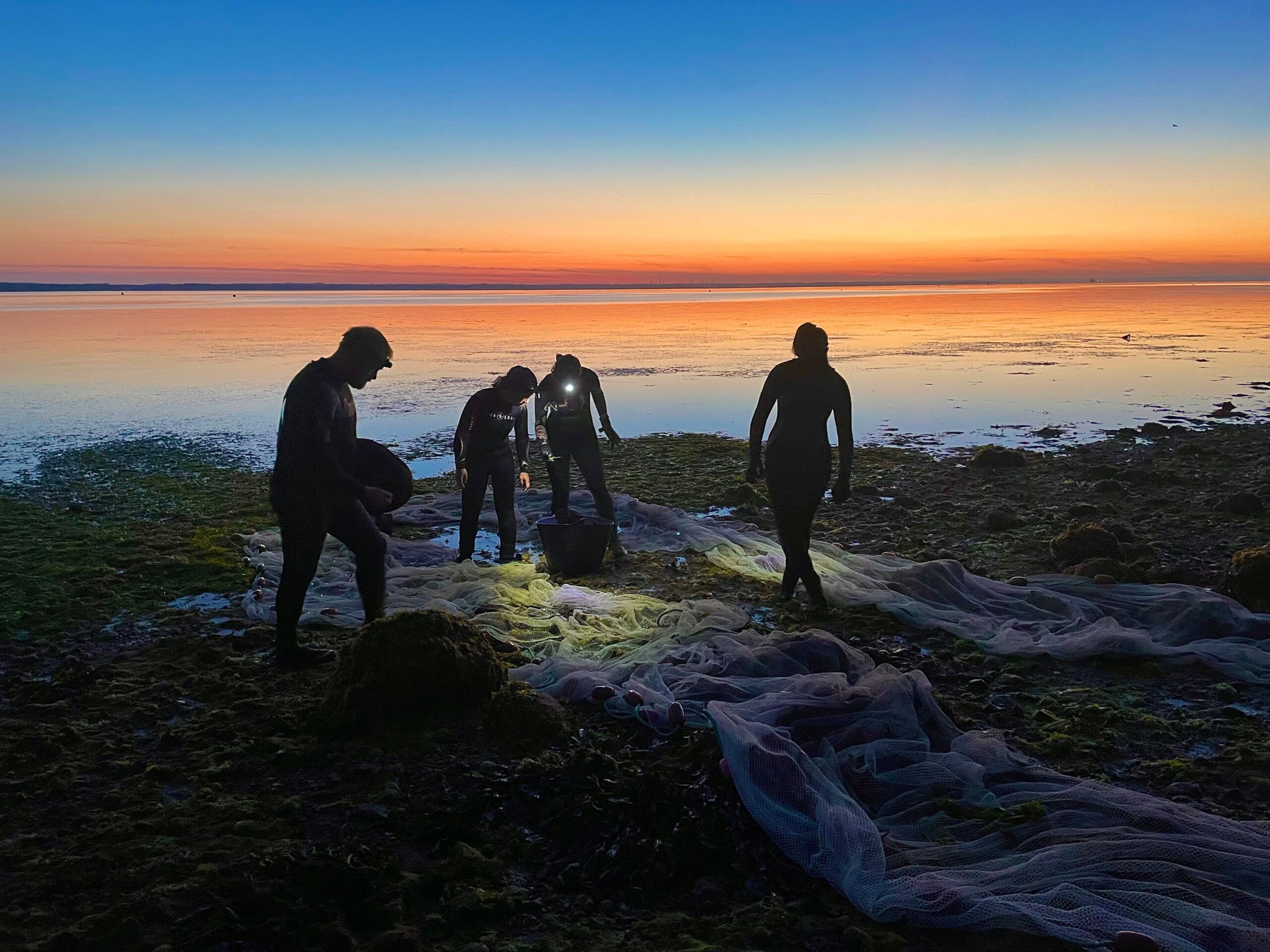
 Thorness Bay Holiday Park on the Isle of Wight is supporting researchers from Project Seagrass and Swansea University as they conduct vital research into the seagrass beds growing around the Island’s UNESCO World Biosphere Reserve.
Project Seagrass is a global-facing environmental charity devoted to the conservation of seagrass ecosystems through research, community and action. Together with WWF UK, Project Seagrass is working in the Solent to discover the optimal methods for habitat restoration and to collaborate with local business and community stakeholders to deliver positive change.
Seagrass plays a vital role in marine ecosystems as it provides habitat for thousands of species of fish, birds and reptiles and filters pollutants and bacteria, helping to keep coastal waters clean. Seagrass also absorbs and stores large amounts of carbon, a vital factor in the fight against climate change.


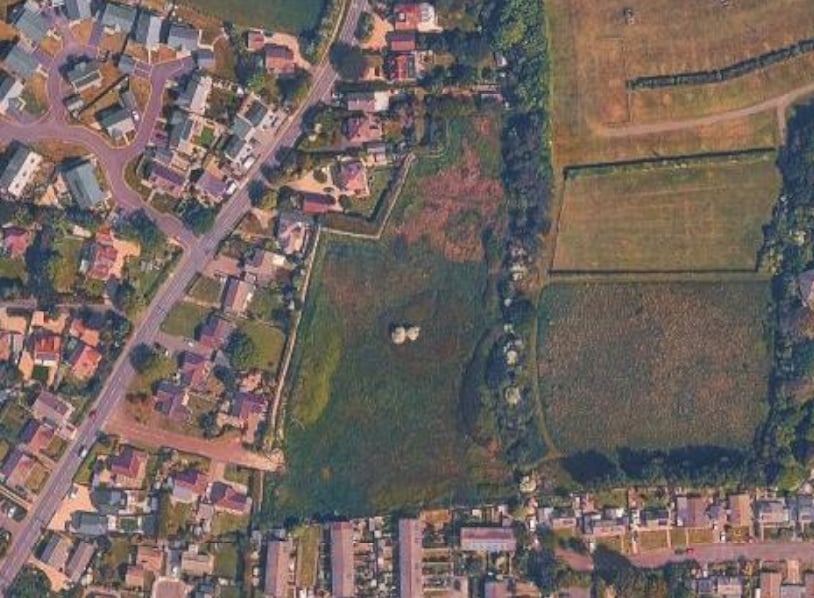
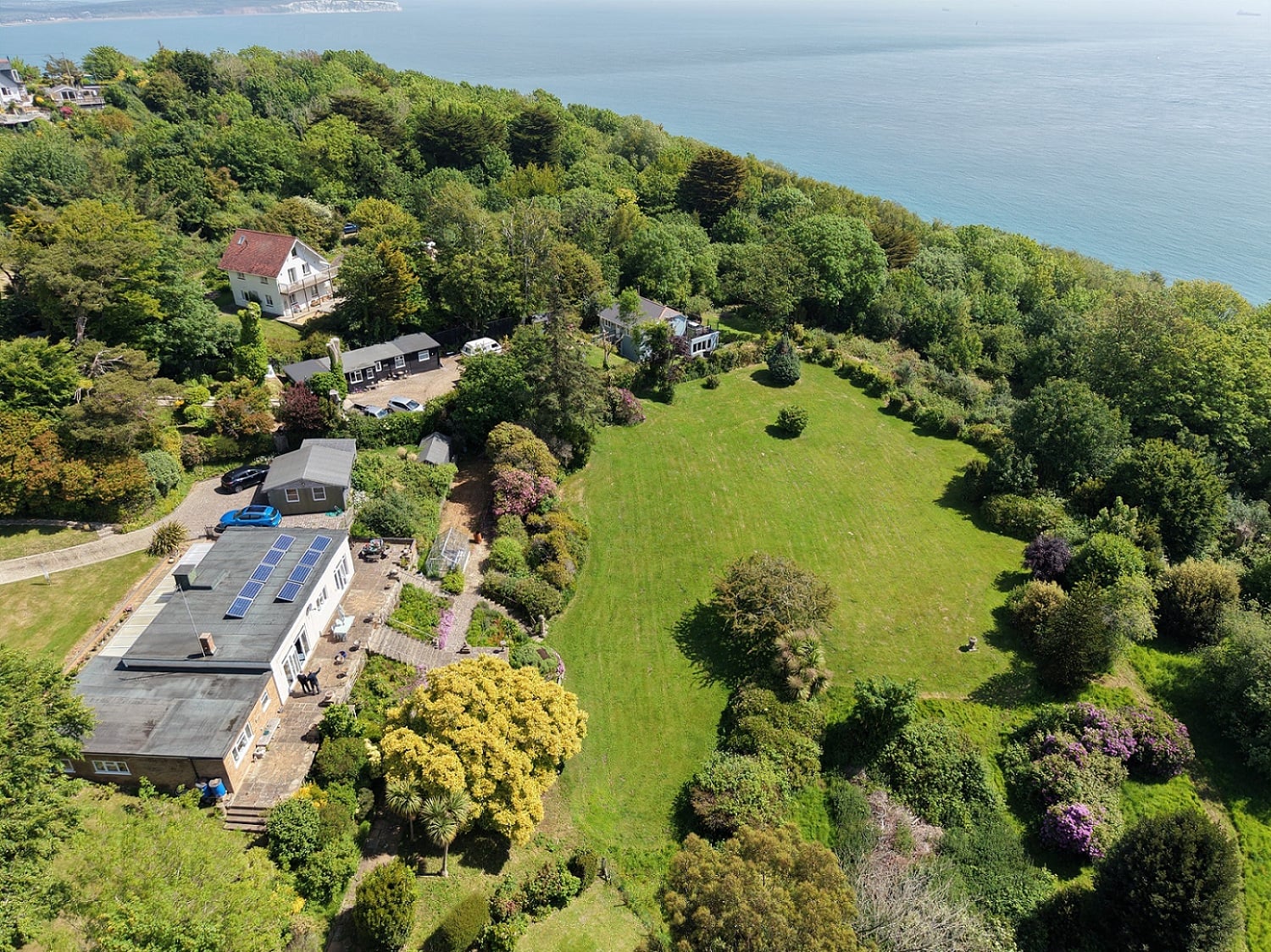
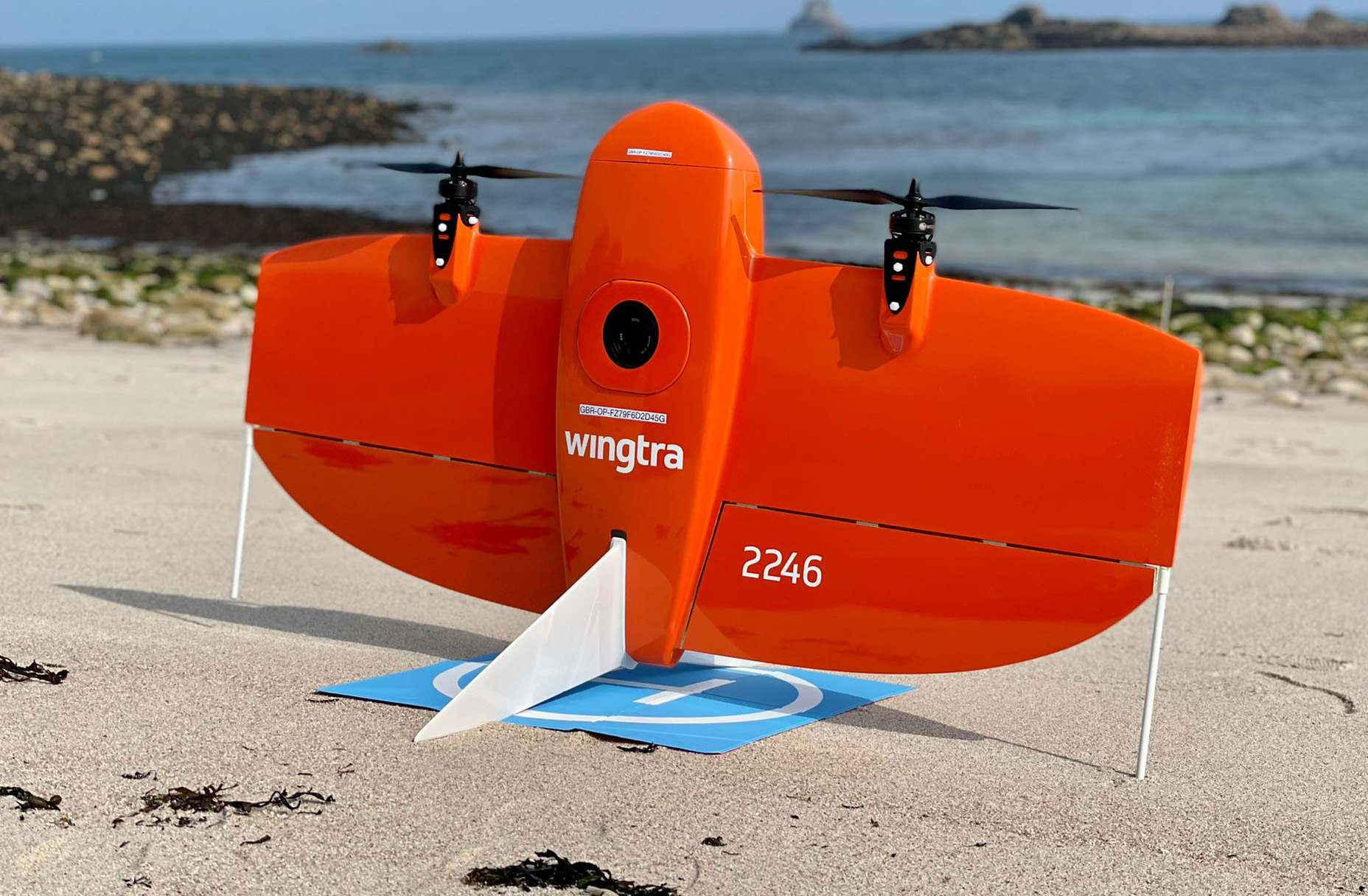
Researchers have been using drone footage to map patches of this important underwater plant at Thorness Bay in an effort to better understand the local environment and how this part of the Island coast could play a role in supporting the growth of new and existing seagrass. The bay is now being considered as a site for experimental seagrass planting trials thanks to its high-quality marine environment, already designated as a Marine Protected Area, an Area of Outstanding Natural Beauty and a Heritage Coast.
Jane Bates, Director of Sustainability and Procurement, Parkdean Resorts, said:
“We want to create a positive social and environmental impact, and our mission is to put sustainability at the heart of staycations. This includes supporting our local communities with positive environmental action.
“We are thrilled to be supporting the work of Project Seagrass as they look to improve the success rate of seagrass restoration in Thorness Bay. Their work will help protect the area for generations to come and is a perfect way to ensure this special site remains a haven for wildlife and biodiversity.”
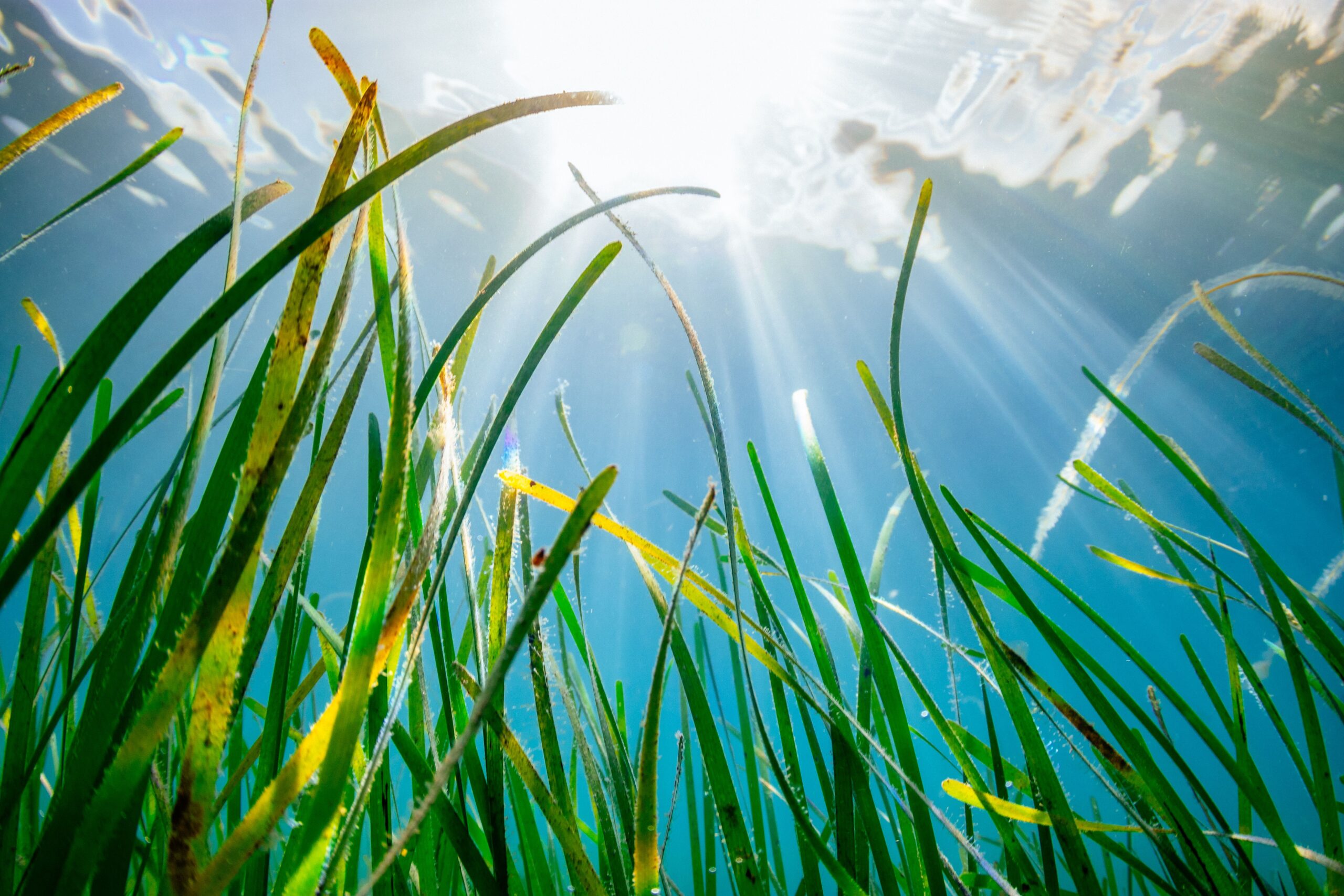

The research at this site will be part of a larger study to identify the most successful techniques for seagrass replanting which can be shared with other marine conservation projects and with coastal Biosphere reserves around the world.
Evie Furness, Project lead from Swansea University, said:
“Local actions keep our seas plentiful, so it’s great to be working with Thorness Bay Holiday Park to emphasise the importance of saving the wonder plant that’s on their doorstep. It’s exciting to be running a study which will provide such a key baseline for future seagrass restoration projects.”







Did it coincide with rhythmtree by any chance?