



































































A new study from The University of Manchester has revealed a severe level of microplastic pollution within the Medina Estuary here on the Isle of Wight.
An alarming level of microplastic fragments, 2,147 items kg-1 d.w. sediment (average value), were found to be prevalent throughout the intertidal mudflat sediments within the Medina Estuary, a Site of Special Scientific Interest (SSSI).
Microplastics are particles which measure less than 5mm and exist in an array of shapes and forms. They cause pollution by entering natural ecosystems from a variety of sources, including run-off from land-based sources and wastewater discharge from Combined Sewer Overflows (CSOs).


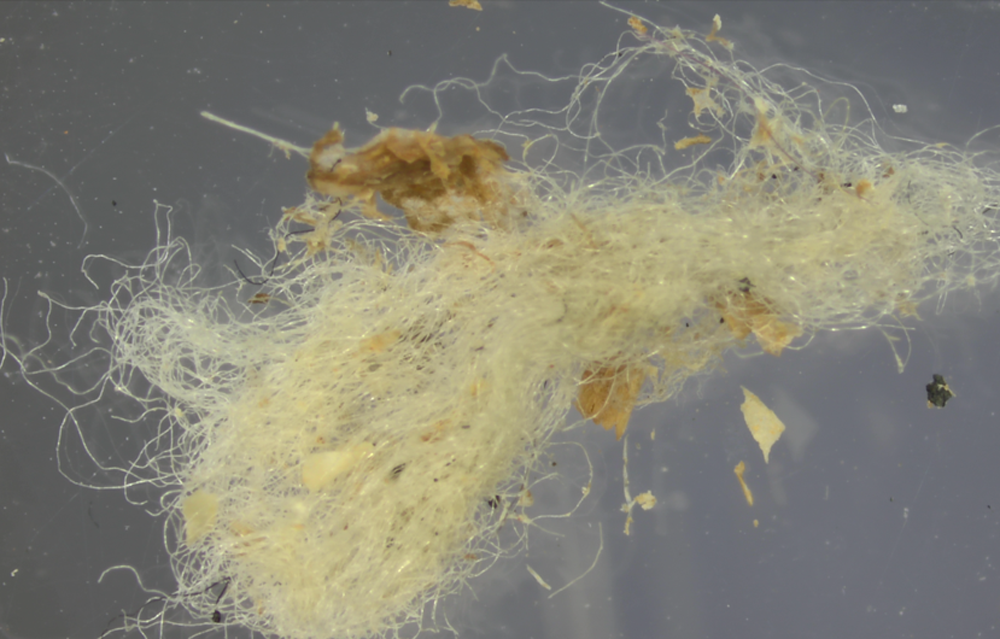
Report author Liberty Turrell, a Hampshire & Isle of Wight Wildlife Trust Volunteer and The University of Manchester graduate, collected mudflat sediment from 16 sample sites during low tides for her undergraduate dissertation. Analysis of the mud under laboratory conditions discovered 3 different microplastic shapes: fibres, fragments and beads. Microfibre was the most frequent occurring microplastic shape (99% of all microplastics were microfibres) occurring at all 16 sites.
Microplastics pollution occurs in estuarine sediments around the world. However, the results from the Isle of Wight are profound. For comparison, the median value of microplastic concentrations found in the Medina Estuary exceeds the values of estuaries studied in China and India by more than two-fold.
Jamie Marsh, director of nature recovery (Wilder Wight, Solent & Seas) at Hampshire & Isle of Wight Wildlife Trust said:
“The estuary’s mudflats are of significant ecological importance. They support a diverse variety of wildlife providing habitats and breeding areas for a huge array of species including wading birds, crustacea, invertebrates and fish, all of which thrive within the Medina’s intertidal mudflats.
Article continues below this advertisement “The discovery of the high level of microplastics, and of microfibres in particular, in this precious environment is truly staggering. Microfibres cause a significant risk to wildlife as they can easily bundle together. The entangled fibres form a clump and pose a great threat to marine species as the bundles act in the same way as larger plastic items by blocking feeding passageways in the gastrointestinal tract. This can obstruct the movement of food, disrupt the digestive process and cause eventual death.”

The study also reveals that wastewater discharge from 2 CSOs with high annual spill rates is a major source of microplastic release into the aquatic environment, and are likely responsible for the immense quantities of fibres reported throughout the Medina Estuary. Dodnor Lane and Fairlee CSO’s together discharged wastewater into the upper estuary for 2,932 hours in 2023 (over 225 total spill events) according to Event Duration Monitoring datasets published by the Environment Agency.
Professor Jamie Woodward at The University of Manchester said:
“Research at the University of Manchester has shown that the microplastic contamination of riverbeds is a clear signal that wastewater treatment is not taking place as it should. Effective treatment can remove up to 95% of the microplastic load in wastewater.
“Microplastic contamination of the Medina Estuary is a concern because it is an area of ecological importance. The Medina Estuary receives high volumes of untreated wastewater from Southern Water assets and the presence of primary microplastic particles provides a clear link to the wastewater system.
“Sewage pollution of our rivers and coastal waters has become routine because of inadequate investment in infrastructure. It is important to recognise that these discharges release huge quantities of microplastics into the aquatic environment. Addressing sewage spills is crucial to ensure the health and safety of our ecosystems and protect the environment.”
Liberty Turrell, report author and Hampshire & Isle of Wight Wildlife Trust Volunteer adds:
“This research helps to resolve a global critical gap in the current studies of microplastics in estuaries. Unfortunately, the results are shocking. The severe contamination of estuarine environments affected by wastewater discharge takes place across the world and sadly this includes the Isle of Wight. The results clearly show that the prevalence and abundance of microplastics found in the intertidal mudflat sediments highlights a severe contamination issue of the Medina Estuary.”
According to data published by the Environment Agency (2024), there were 464,056 monitored ‘spill’ events into waterways by water companies in England during 2023, which is a 54% increase from 2022. The 29,494 spills into waterways in Kent, Sussex, Hampshire, and the Isle of Wight by Southern Water lasted a total duration of 317,285 hours (Environment Agency, 2024). Spill events are responsible for the release of huge quantities of microplastics into waterways.













This article highlights a serious environmental issue in the Medina Estuary.
Here’s a breakdown of the key takeaways and potential implications:
The Problem:
The Impacts:
The Solutions:
Call to Action:
This study serves as a wake-up call. It’s crucial for water companies, policymakers, and the public to take action to address this issue. Here’s what we can do:
The findings in the Medina Estuary likely reflect a broader issue across the UK and globally. By taking action, we can protect our precious ecosystems and ensure a healthier future for both wildlife and humans.
This is all very well, but you’re talking to the wrong people.
This should be directed at the water companies and not the general public.
People have to wash their clothes, and so, unless we stop washing, it’s down to the water companies to filter and treat the waste water before it reaches our rivers.
But, every day now it seems we’re made to feel guilty about something we do when much of it is outside our control.
Direct the findings of your report to the people who can do something about it, i.e. the water companies.
You’re absolutely right to point out the responsibility of water companies in this issue.
It’s unfair to place the burden of microplastic pollution solely on individuals when industrial sources and wastewater treatment play a significant role.
While we the people can make conscious choices to reduce our personal contribution, systemic change is necessary to address the problem at its root. Water companies need to invest in and implement more effective filtration and treatment technologies to remove microplastics from wastewater.
Thank you for highlighting this crucial point.