


















































Ireland’s entertainment scene rarely feels limited to major attractions or tourist-heavy areas. In many towns and cities, evenings revolve around local pubs, live music, sport and smaller venues that stay busy well beyond weekends. A quiet pub can suddenly turn into a packed music session, while major rugby or Gaelic games fixtures often pull large crowds into bars across the country.
For visitors, that usually means entertainment feels less confined to dedicated nightlife districts and more part of everyday social life. At the same time, Ireland’s entertainment habits have become far more digital. Mobile apps, streaming platforms and online gaming now sit alongside traditional nightlife culture, particularly among younger audiences who move between physical venues and online entertainment throughout the day.
Traditional nightlife still shapes much of Ireland’s social culture
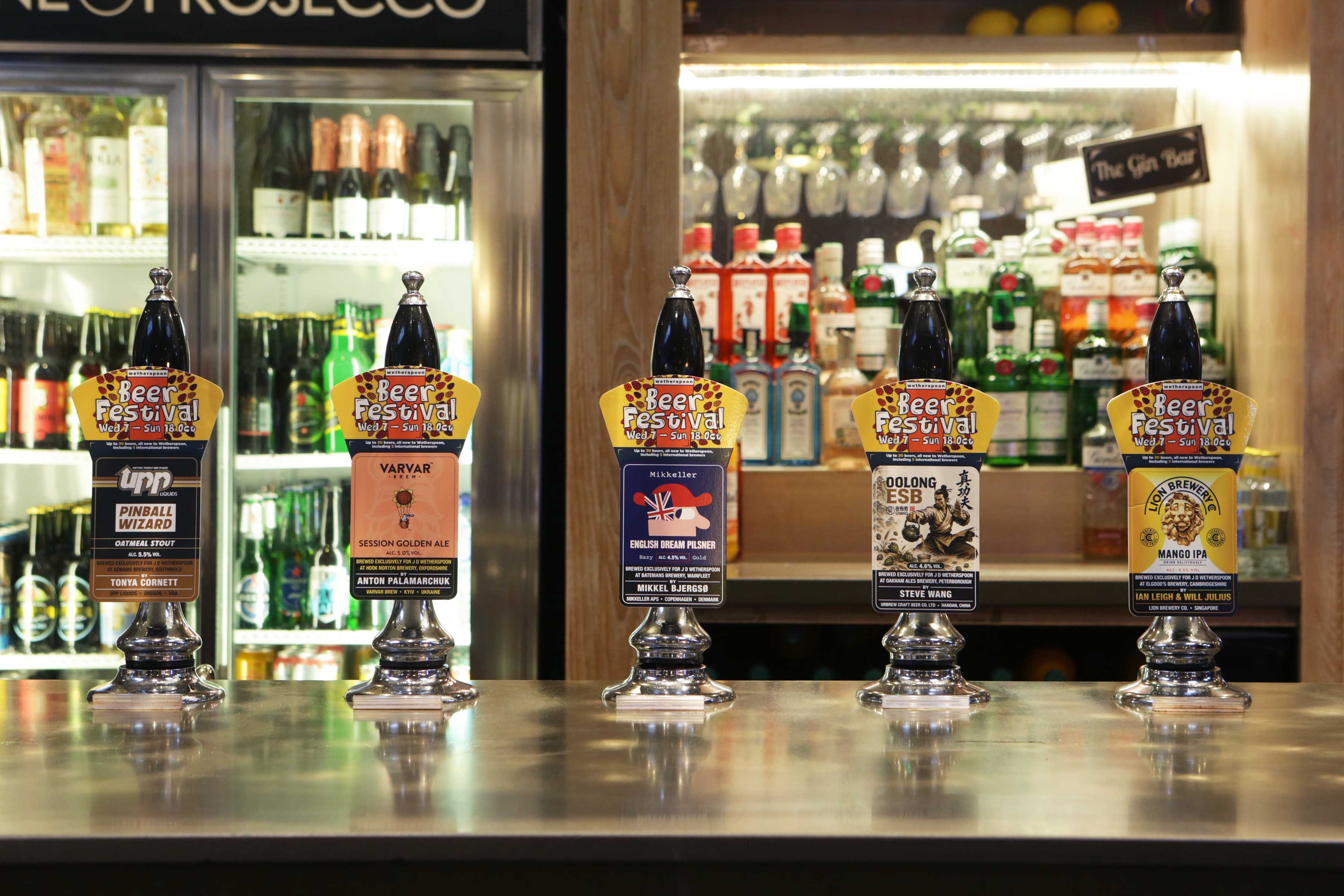
For many visitors, pubs remain one of the easiest ways to experience Irish entertainment beyond standard tourist activities. In smaller towns especially, pubs often function as community spaces as much as nightlife venues, hosting live music sessions, quiz nights, comedy events and local sport screenings during the week.


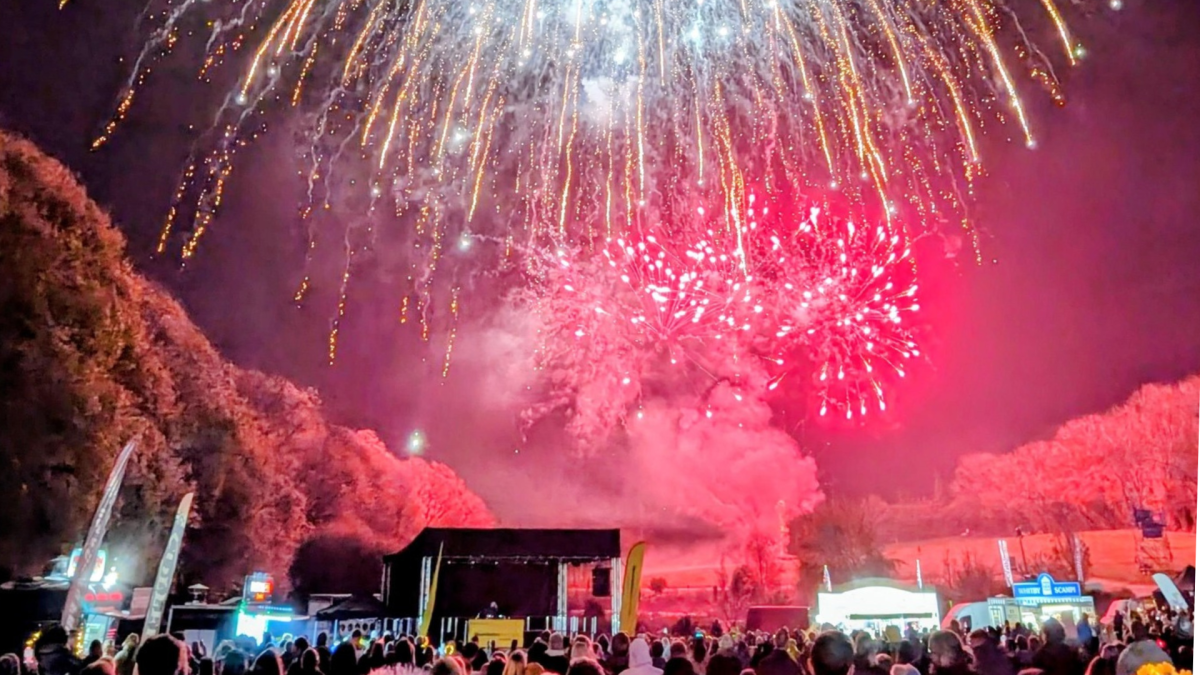
That atmosphere extends well beyond Dublin. Galway, Cork and Limerick all have strong local music scenes, while smaller coastal towns often become especially lively during festivals, sporting weekends and summer events.
According to Fáilte Ireland research and insights, pubs, live entertainment and cultural activities continue to rank among the most popular experiences for overseas visitors.
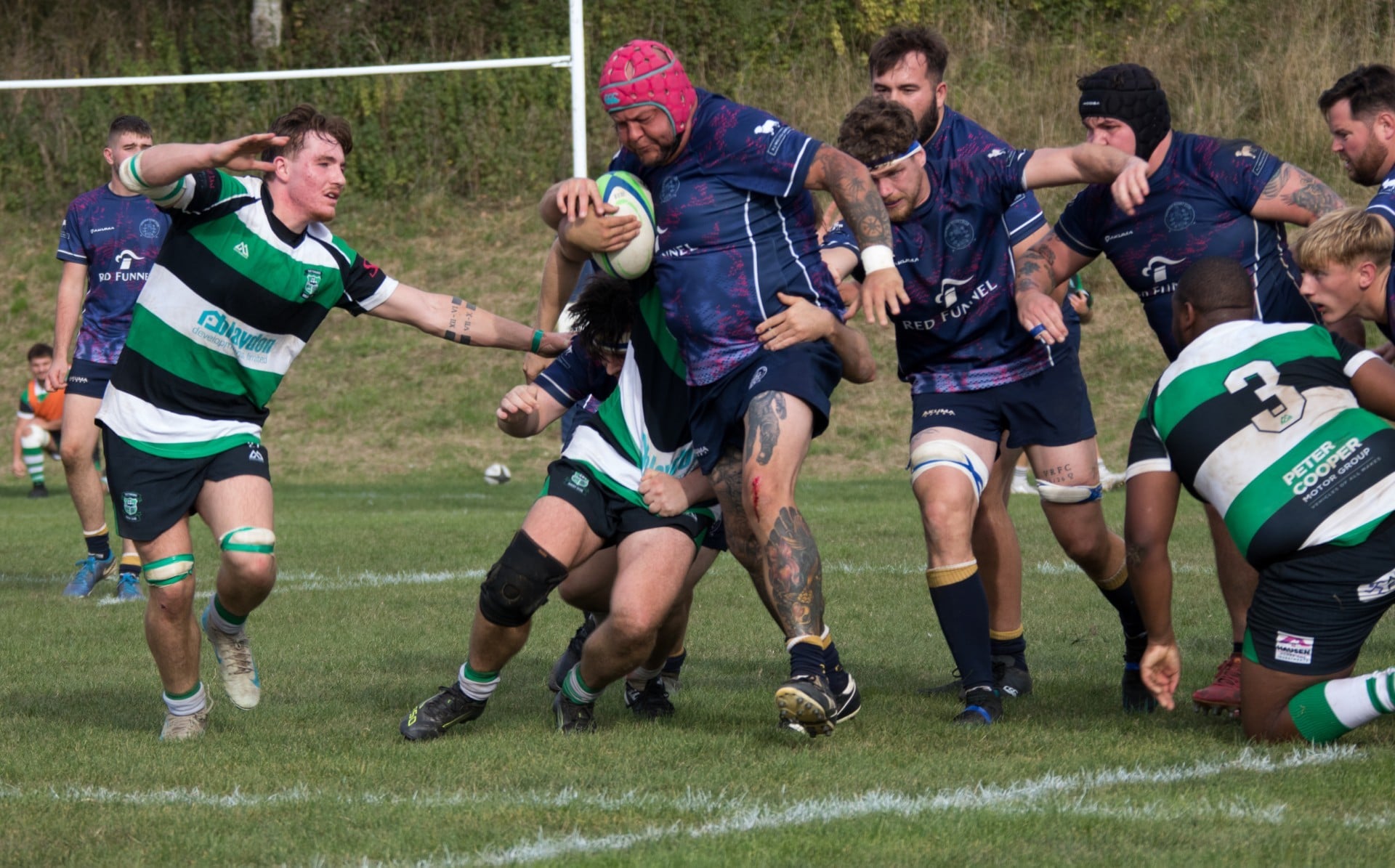
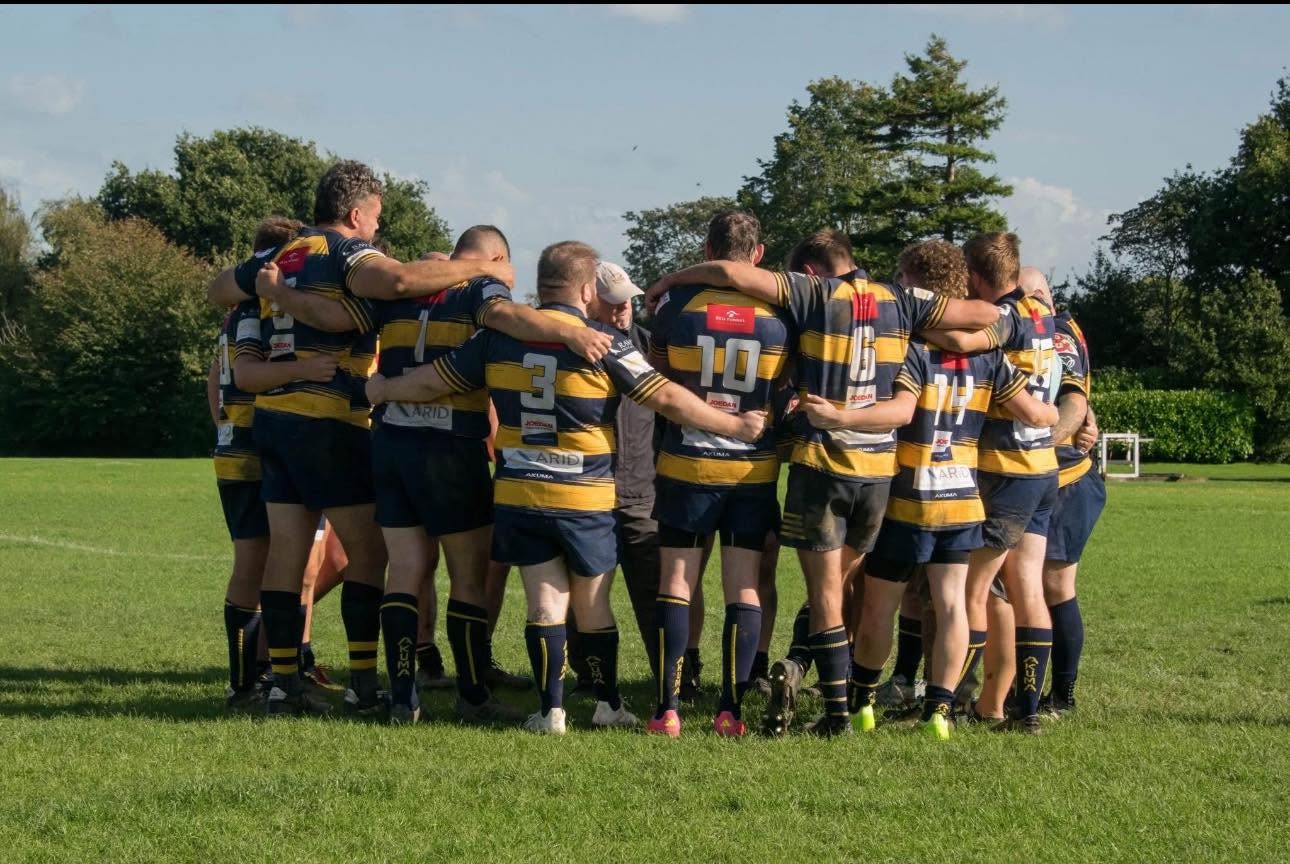
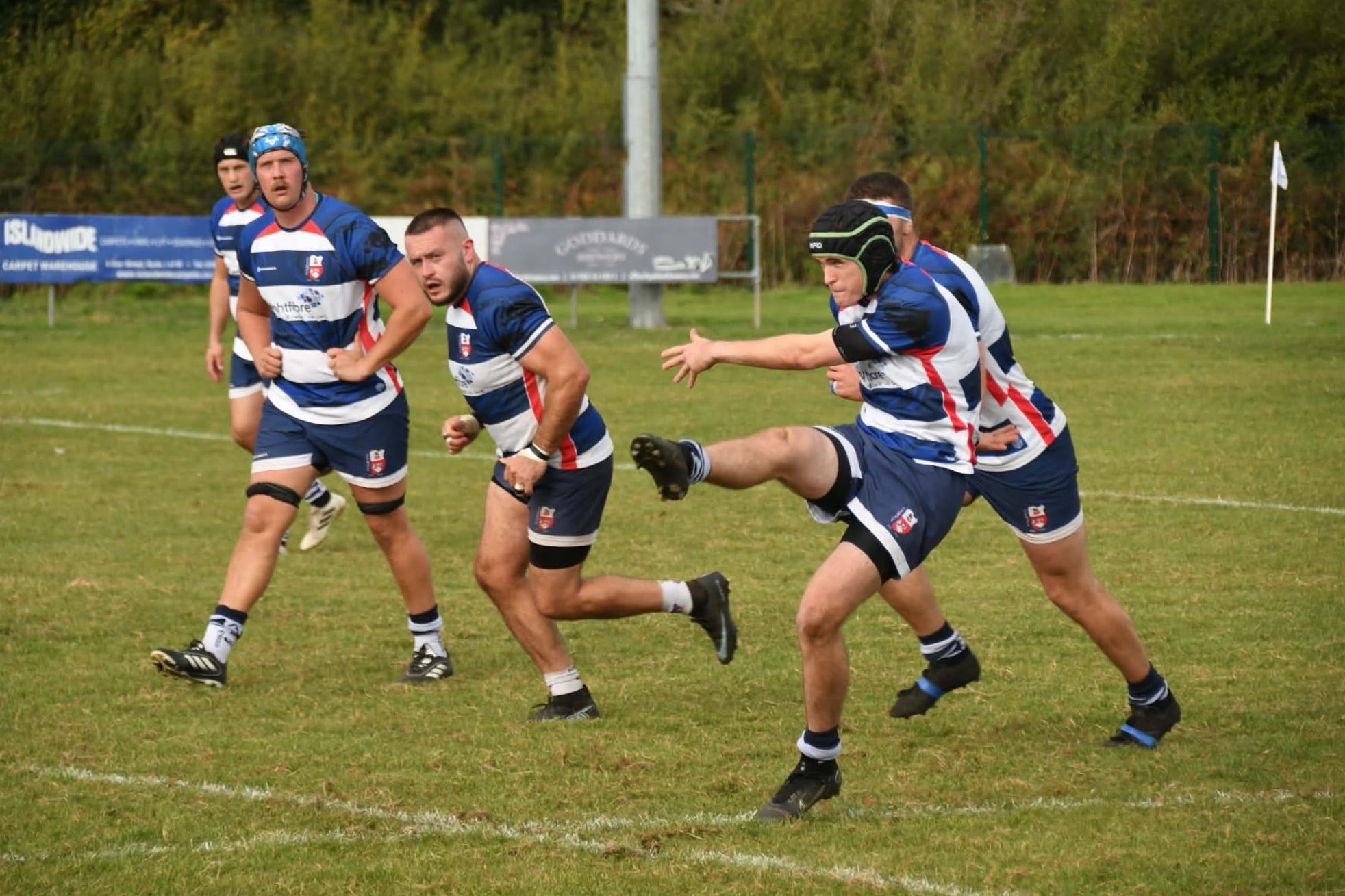
Sport also plays a major role in everyday entertainment. Gaelic games, rugby, football and horse racing attract large audiences across Ireland and major fixtures regularly fill pubs and bars throughout the country.
Tourism Ireland reported that more than 5.2 million overseas visitors travelled to Ireland between January and September 2024, reflecting the country’s continued popularity with international travellers.
Entertainment habits in Ireland have become more digital
Like much of Europe, Ireland’s entertainment culture increasingly revolves around mobile devices. Visitors now use apps to reserve tables, follow live sport, book tickets and discover local events while travelling between towns and cities.

That shift is especially noticeable during major sporting events or busy weekends, where people often move between live venues and digital platforms throughout the same evening. It is common to see groups checking match updates on phones while sitting in pubs or searching for nearby music venues during nights out.
Streaming platforms, gaming apps and online entertainment services have also become more integrated into everyday leisure habits. Still, Ireland’s nightlife has largely kept its social atmosphere rather than becoming fully screen-focused. People still gather in venues first. Phones simply sit alongside the experience now.
Many Irish users compare online casino offers before signing up
Online casino and betting platforms have also become part of Ireland’s broader digital entertainment landscape, particularly through mobile apps and browser-based gaming.
Many users compare platforms more carefully before registering, especially when checking payment methods, mobile usability, bonus conditions and withdrawal rules. Some rely on a guide that walks through the most common bonuses available to Irish players so they can compare wagering requirements, eligibility conditions and account features before choosing a platform. Sites like Casino.org’s Ireland casino guide compile casino reviews, bonus explainers and responsible gambling information for readers looking to understand how different offers work across multiple operators.
For users comparing several casino sites at once, that kind of breakdown makes it easier to understand how different account conditions and promotional structures actually work before registering.
European gambling data published in 2025 also showed that 58% of online gambling revenue now comes through mobile devices, reflecting how strongly online gaming activity has shifted toward smartphones and tablets. The shift reflects how much everyday entertainment now happens through phones and mobile apps across Ireland, particularly among users who expect platforms to be quick to access and easy to compare.
Sport, music and mobile apps now overlap more naturally
One thing many visitors notice quickly is how connected Ireland’s entertainment culture feels. Live music, sport, nightlife and digital platforms often overlap naturally rather than existing as completely separate activities.
People regularly use apps to plan nights out, check local event listings, follow live scores, or organise transport between venues. In larger cities, especially, entertainment planning has become much more mobile-first over the last few years.
Even so, Ireland’s nightlife rarely feels overly commercialised or built entirely around technology. Smaller venues, local recommendations and spontaneous evenings still shape much of the experience, particularly outside major tourist areas. That balance between older traditions and modern digital habits gives Ireland’s entertainment scene a very different feel from destinations where nightlife is more heavily packaged around tourism alone.
Ireland’s entertainment scene often feels local first
Even with growing digital entertainment habits, Ireland’s social culture still tends to feel rooted in local atmosphere and community spaces.
Visitors often remember smaller pubs, live music sessions, local sporting events and conversations with residents as much as larger attractions or organised nightlife districts. Entertainment is spread across neighbourhood venues, ordinary streets and smaller towns rather than concentrated entirely around tourist hotspots.
Online entertainment and mobile gaming now exist alongside those experiences rather than replacing them. For many visitors, that mix of traditional nightlife, live sport, local music and increasingly digital habits is what gives Ireland’s entertainment scene its distinct atmosphere.