



















































 Ofwat has announced proposals which, following a short consultation, would allow Southern Water to further accelerate its vital work in driving down the use of storm overflows, enabling an ambitious 2-year programme to expand its nature-based and engineering solutions.
Following a number of successful pilot schemes, Southern Water has proposed to Ofwat the rollout of a range of innovative projects to stop and slow surface and groundwater reaching the sewer system, across 3 areas within the South, the Isle of Wight being 1 of them.
These proposals would see Southern Water invest up to a further £50million between now and Spring 2025, with clear plans around how the water company will start this region-wide scaled-up approach.


As well as improving the existing network, and ensuring all sewer pipes are connected correctly, much of this funding will be spent on ‘greening’ communities. Whether by installing rain garden planters, introducing swales and tree pits to urban areas, or embarking upon new wetland schemes in the countryside, the water company will be embracing nature to slow the flow.
Storm overflows occur when the normal sewer levels rise due to surface and groundwater entering them – usually during or after a period of rainfall. The mechanism acts as a release valve, into the environment, so homes and communities are not flooded when pressure on the network builds. But we agree with our customers that they are not acceptable.
Lawrence Gosden, Southern Water CEO, said:
“Reducing the use of storm overflows and their impact on water quality is a priority for me. To do this we have to get to the root of the problem and reduce the amount of surface water entering the sewerage system.
“The opportunity to accelerate our rollout of the innovative and sustainable drainage solutions we have already piloted, on a much larger scale in three specific areas, is a positive opportunity. These tactics have proven to help reduce volumes of surface water, stop sewage spills, and bring nature back to communities.
Article continues below this advertisement “This comes ahead of a much wider investment of billions of pounds over the coming decades, marking the beginning of the end for storm overflows.”

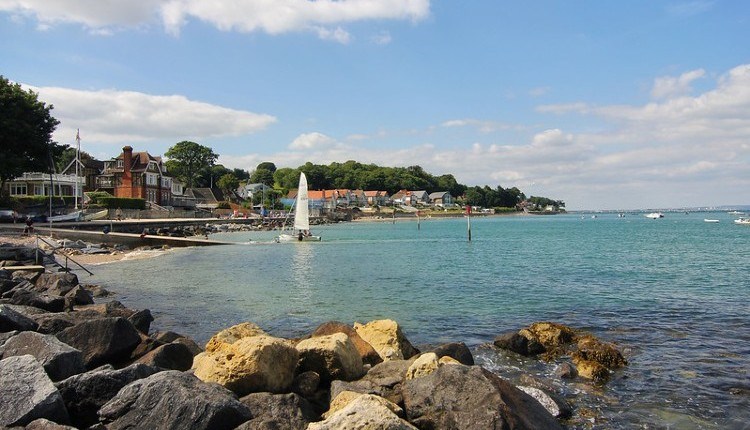
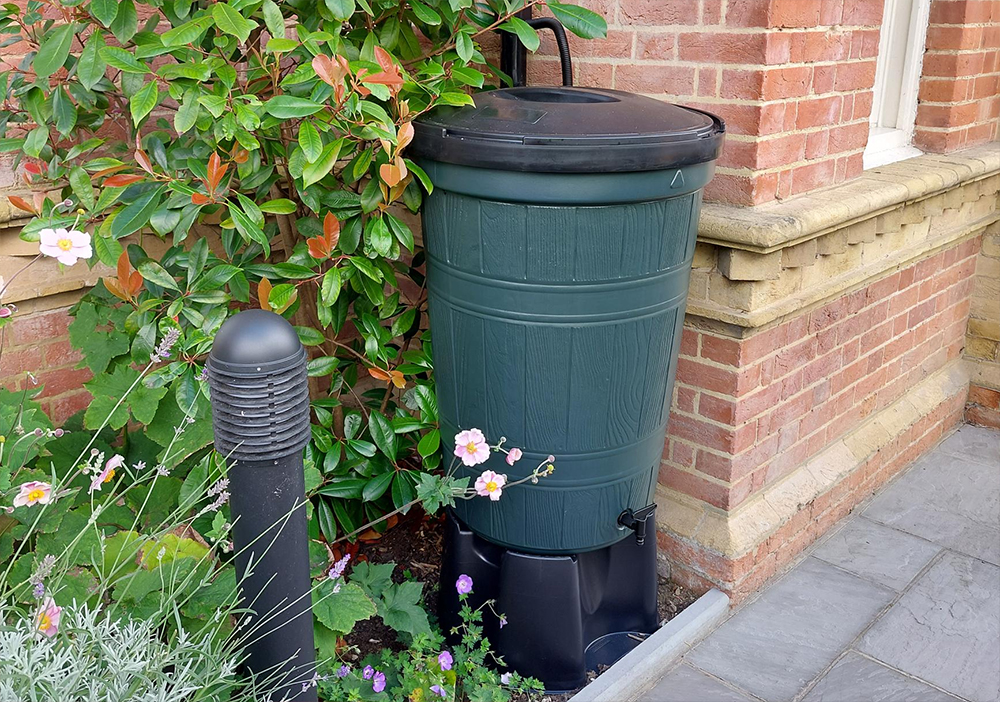
Work on the Isle of Wight will build on activity already taking place in Gurnard and Cowes, before moving onto Fishbourne, Wotton, Yarmouth and Freshwater. In Havenstreet, Southern Water have already trialled the use of slow draining water butts, where two thirds of our customers took part in the scheme.












Yeah whatever we believe you southern water (not!!)
Nice to see Bob’s made sure it all happens in his new constituency first.
This needs to be offered to other locations on the Island as we all will suffer if there is a water shortage. When I first moved here over 30 years ago they had collection points around the Island, one being the car park off Coppins Bridge. We all pay or water bills so why are they only doing selected areas?
Storm overflows occur when the normal sewer levels rise due to surface and groundwater entering them
If there weren’t so many houses being built and roads being constructed, which removes natures ability soak up rainwater in fields, that now have houses on them, then we wouldn’t be in this position in the first place.
stop building houses, return some areas back to nature and watch the problem disappear – after all, it was never an issue before and the only thing that has changed is the number of houses and people on the island.
Let’s start with Ryde, if we demolish every house that didn’t exist in 1900 we may have a chance of eliminating the overflows.
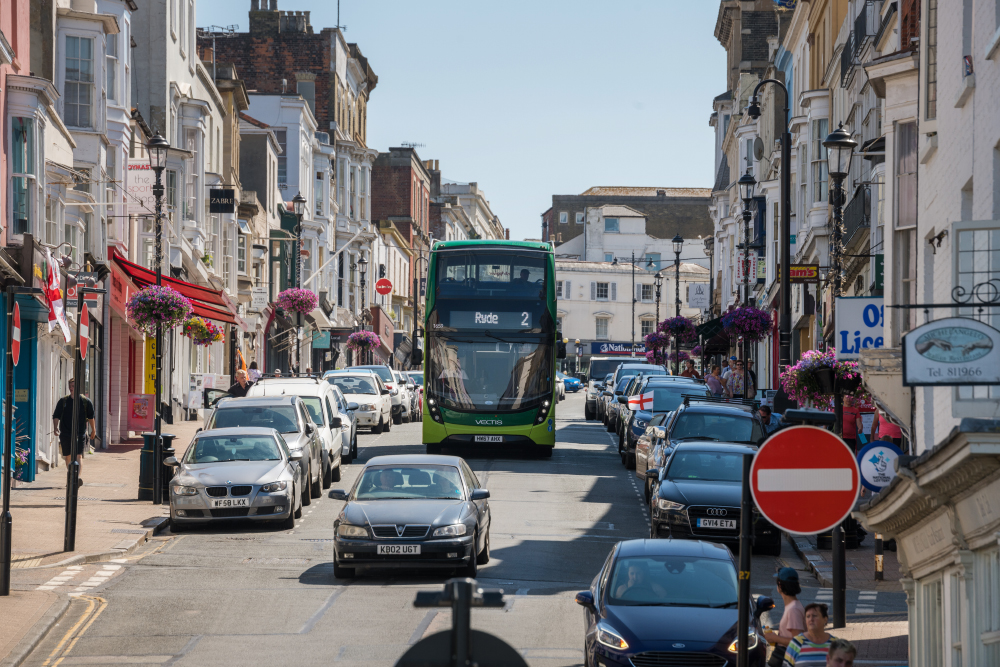
Typically Ryde is not included in plans and with all the planned new local houses and subsequent loss of land to absorb some of the water it’s the area which needs most action