




























In part 3 of Isle of Wight family surnames, Island Echo examines the final section of the alphabet from Scovell to Wheeler.
Scovell

This surname is not particularly common, but there are certainly more Scovells on the Isle of Wight than anywhere else (137). This compares with 66 in Hampshire and 50 in the Greater London area. The name appears particularly strongly associated with Brading.
The surname Scovell is a variant of Scoville, which originates from Escoville in Normandy. The first Scovells no doubt arrived on the Island with William the Conqueror at the time of the 11th-century Norman invasion, although the name doesn’t appear locally in the Domesday Book.

The most famous Isle of Wight Scovell of recent times is the late athletics coach Ray, who has had the athletics track at the Fairway Sports Centre in Sandown named in his honour.
Sheath
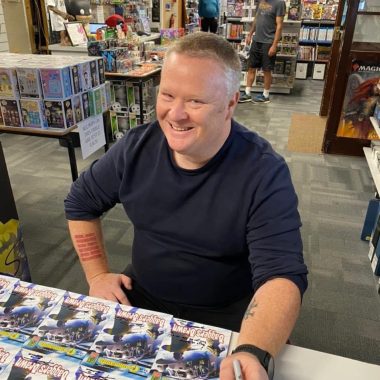
There are 133 Sheaths on the Isle of Wight as compared with (for example) just 80 in Greater London – again the highest frequency in England.
Sheaths have been on the Island since at least Elizabethan times. The most common explanation for the name is that it derives from the makers of sheaths for knives or swords. Others have claimed the origin is from the Old Norse name Skjotr, meaning ‘swift’.
The comic book author Russell Sheath comes from the Isle of Wight.
Toogood
This is a surname that may be familiar to Island Echo readers – our very own editor is an Island-born Toogood! There are only 92 Toogoods currently on the Island, but the proportion is still far higher here than elsewhere in England – the next highest being in Somerset.

‘Toogood’ is said to derive from the Anglo-Saxon name Thurgod. A further explanation is that it may have been a Middle English nickname meaning someone who was exceedingly good (possibly used ironically).
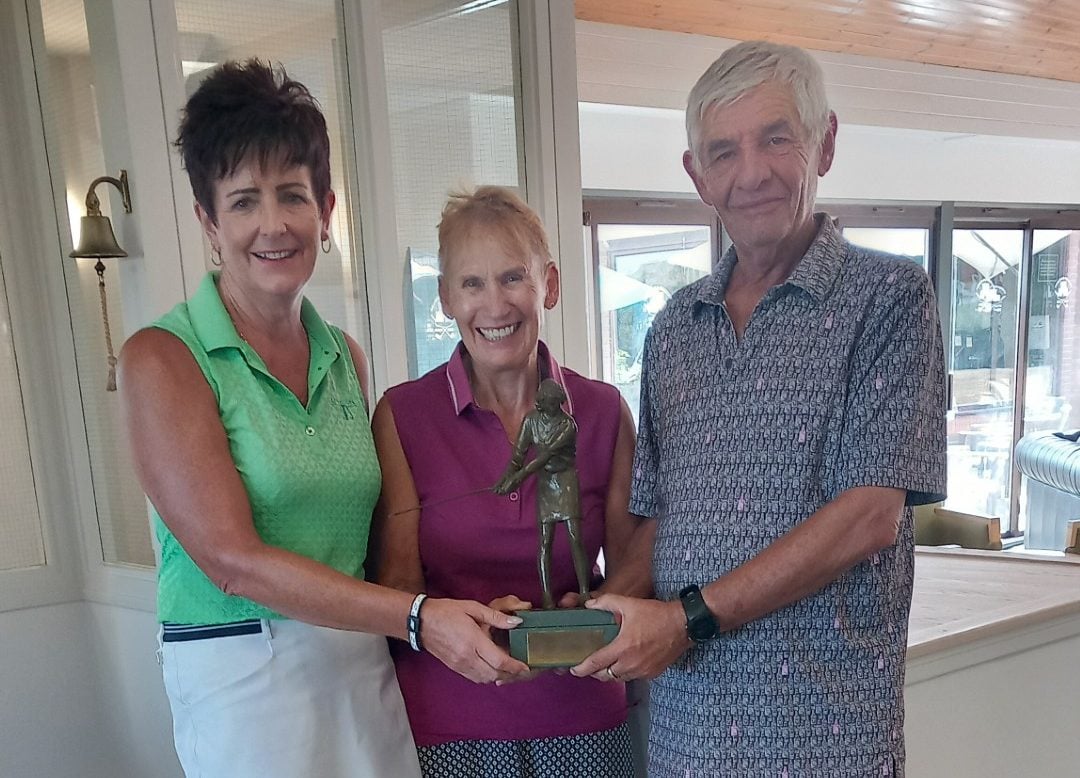
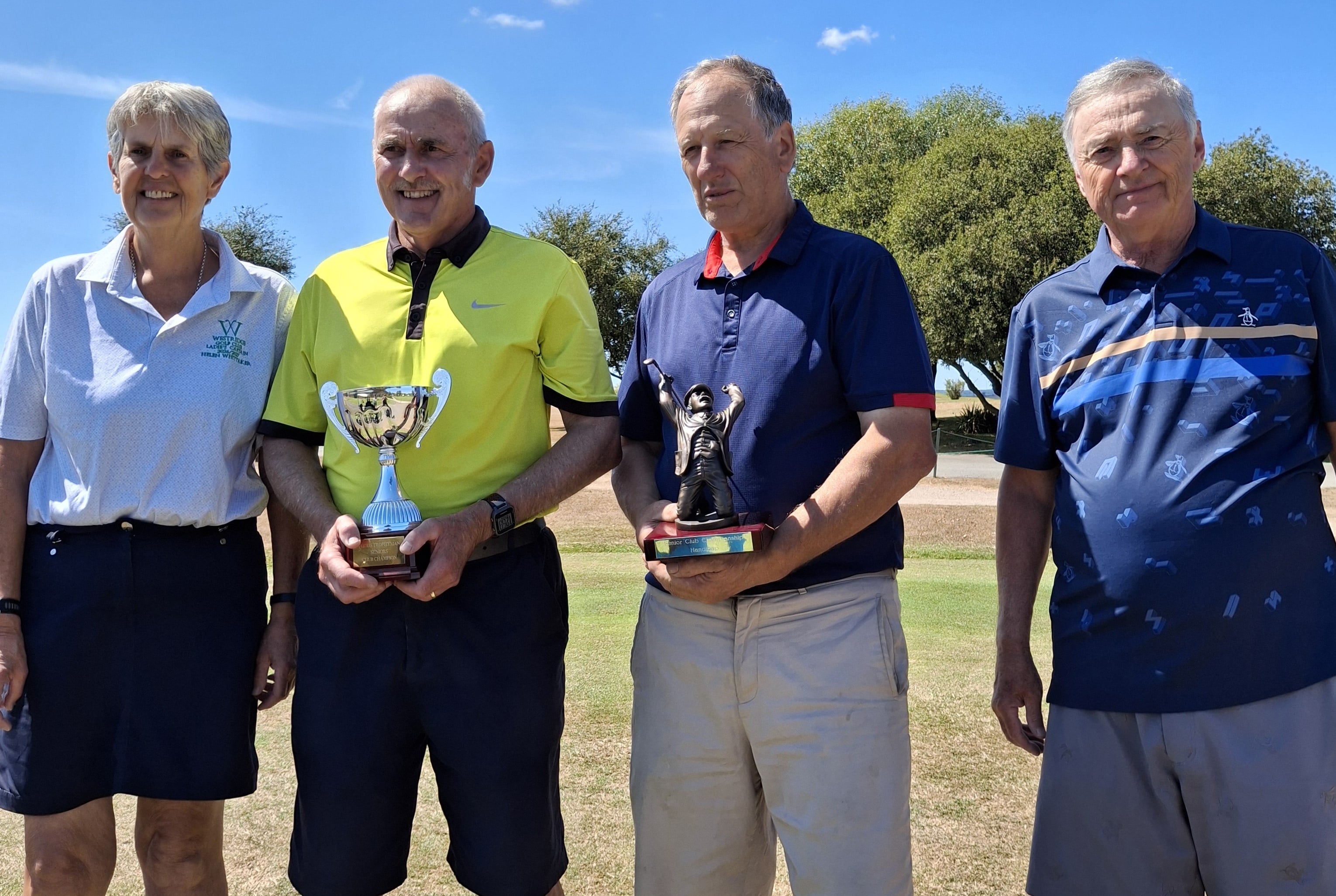
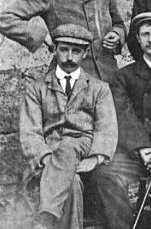
The most famous Isle of Wight Toogoods (before recent times) were professional golfers Alfred Henry Toogood and Walter Toogood, the latter of which represented his country in the England-Scotland matches of 1903 and 1907.
Alfred – known as AHT – finished 4th in the 1894 Open Championship and won £7. He also tied for 9th place in the 1895 Open Championship. His son, Alf, was also a golf professional, winning the South Australian Professional Championship twice and the Tasmanian Open twice. Alfred’s grandson, Peter Toogood, was a leading amateur golfer in the late 1940s and 1950s too and was instrumental in setting up the Australian Golf Museum.
Alfred lived at Eddington Cottage on Eddington Road, St Helens and played at the Royal Links Golf Club, now known as The Duver.
Incidentally, 3 of the 4 Island Echo regular staff members – Darren Toogood, James Rann and Warren Whitmore – were born on the Island and have deep Isle of Wight connections.
Urry
Urrys have been on the Island since at least the 11th century as they are mentioned in the Domesday Book. There are only 51 Urrys on the Isle of Wight, but the proportion is far higher here than in other English localities.
The name has many variants, including a Walter Horry, who lived on the Island in 1290, and John Oury, who also resided here in 1297.
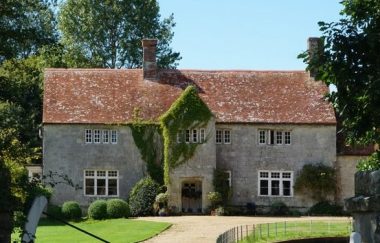
The Urrys have had a close association with Great Burbridge Manor near Merston since at least 1280, when it was owned by William Urry. However, the family lost their some of their possessions when William’s son Robert was convicted of the murder of the Constable of Carisbrooke Castle in 1312.
One famous Urry was Captain John Urry RN, who took part in the siege and capture of the Spanish naval base at Havana Cuba during the Seven Years’ War in 1762 and subsequently brought back news of British military victories in the Caribbean to London.
Wade
There have been Wades on the Isle of Wight since at least Elizabethan times. The name appears particularly popular in St Helens.
The surname may derive from the legendary Nordic sea giant Wada. Alternatively, it may have come from the Anglo Saxon wad, meaning ‘meadow’ or wadan, which means ‘ford’ and may have been used to describe someone who lived near a ford.
A well-known Isle of Wight Wade from recent times is former Premiership assistant referee, Barrie Wade.
Wheeler
Anyone with the surname Wheeler suggests they must have had an ancestor who was a wheelwright – a maker of wheels – which were fragile and high maintenance in medieval times and required skilled craftsmen to make and repair them.
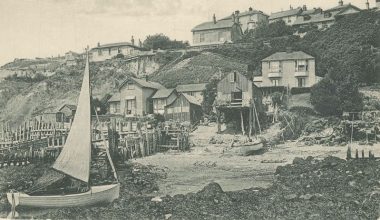
The name is famous (or infamous) due to its connection with a well-known South Wight smuggling or wrecking family. In the 19th century Robert Wheeler had logged 70 wrecks.
However, the family were not all a bad lot. John Wheeler is remembered for having saved the lives of 3 sailors from the Clarendon shipwreck by entering the water tied only to a rope and carrying the survivors ashore.
Wheelers Bay in Ventnor – that was allegedly closely associated with the looting of shipwrecks – is said to have been named after the eponymous Wheeler family.
Woodford
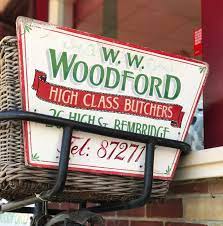 There are 269 Woodfords on the Island – a higher proportion than anywhere else in England.
The surname is simply a combination of wood and ford, suggesting an ancestor once lived near both. It an also be spelt Wodeford or Wydford. The name was Wudaforda in Anglo-Saxon times as recorded in a document dating back to 701 AD.
Probably the best-known Woodfords to reside on the Island in modern times are the Bembridge butchers W.W. Woodford & Son.
Woodnutt
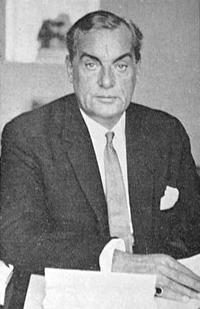
Woodnutts have been on the Island since at least the 11th century. The name is not very common – however, this is a further surname that has appeared more frequently on the Island than in any other English locality.
Woodnutt is a name deriving from Saxon times. It comes from the personal name Wodenoth, a combination of wode (wood) and noth (daring, bold).
The most well-known Woodnutt was probably Mark Woodnutt, Isle of Wight Conservative MP from 1959 to 1974.
This brings our series on Isle of Wight Surnames almost to an end. Part 1 can be found here and Part 2 here.
Of course, we are aware there are many local family names we may have missed. These include: Bartlett, Buckett, Budden, Cheek, Flux, Hunnybun, Linington, Mackett, Newnham and Strickland.
Some of the missing surnames will be included in Part 4.
If you would like to suggest further names with a strong local connection, please do so in the comments.






Yelland. Responsible for the first two holiday camps on the Isle of Wight before the second World War. Known as Yelland Chalet Hotels at Norton Grange and Bembridge. They were requisitioned during the war and in recently years taken over and known now as Warners Norton Grange and Warners Bembridge Coast Hotel.
In the last decade a nation newspaper (Daily Mail?) ran the story of someone who was given a credit note for his holiday that he could not take because of the war and Warners honoured the credit note and gave the man his holiday. Good publicity.
It would be great to know the percentage of Caulkheads and Grockles
on the Island.
I work for a Company with 40 employees and the majority of them are
Grockles.
That kind of comment is the reason I objected to this stupid prank by the local rag. It proves that there are still groups of individuals who wander about claiming its ‘us against them’.. Caulkheads=good, Grockles= bad. This banal separation takes away all the hard work done by Islander and overner alike… If a company is an Island firm or a mainland one the fact that you have jobs should be enough to just get on and not differentiate between places of birth which so many ‘locals’ seem to do. Jobs are advertised and interviews held and the best qualified will usually get a job.. it is as it has always been. You couldn’t differentiate between skin colour, or religion but it seems ok to do so with birth places here on the island.
Grockles bring Brains and money to the Island.
I totally agree. This pathetic series of articles is divisive and only intended to stir up more “them and us” animosity. People who use terms like caulkhead, grockle, and overner should just grow up and shut up.
must be a lot of inbreeding going on
Its a local island for local people
What about King?? Mark King says his family goes back a long way on the IOW.
King is the 36th most common surname in the UK.
What about the White surname? One of the most common surnames of the island. I’d like to see something written up about them!