

































In the 2nd part of our Isle of Wight Surnames series, Island Echo examines long-established Island family names from the middle of the alphabet from Dyer to Rayner.
Dyer
There are 241 Dyers on the Isle of Wight – the 63rd most common surname – with a far greater percentage than in the remainder of the country. This surname is of early medieval English origin, and – as might be expected – is an occupational name for a dyer of cloth. The name comes from the Middle English dyer from Old English deagere.
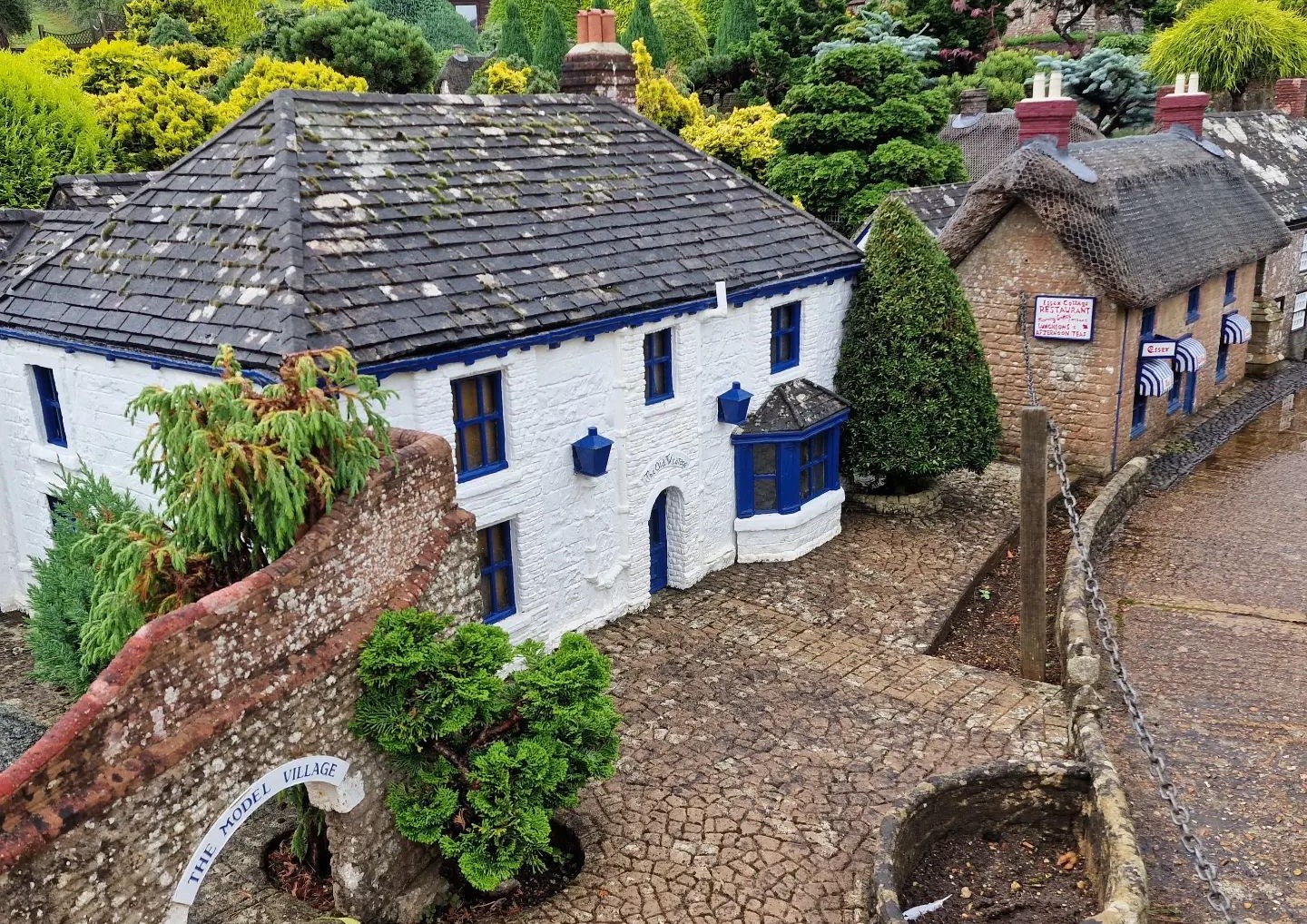
The owners of Godshill Model Village for over half a century are Stuart and Penny Dyer.


Fleming
Fleming is a name that originated from the people of Flanders (present-day Belgium). It is derived from the Old French word flamanc, meaning a Flemish person. The name came to England in the 11th century when many natives of Flanders joined William the Conqueror in the Norman invasion.
The Fleming family had a long connection with the Isle of Wight. The estate of Binstead was purchased by Sir Thomas Fleming in 1609 and remained with the family until 1956. The family lived at the picturesque Binstead Cottage before it was destroyed by fire in 1851.
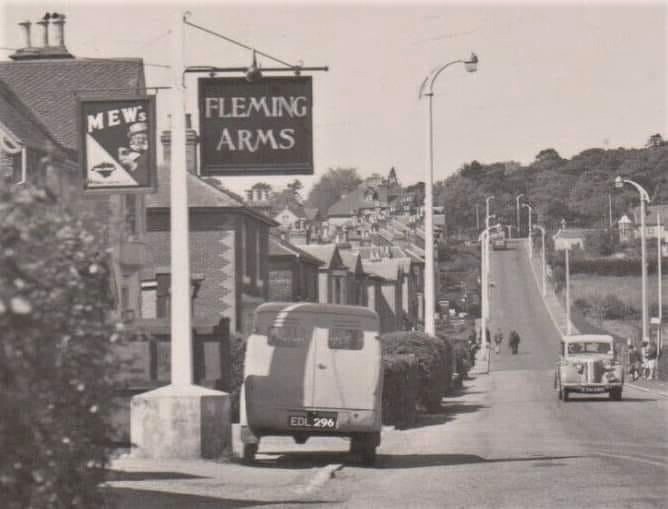
The Fleming family gave its name to the eponymous Fleming Arms in the village of Binstead.
Jolliffe
 This interesting surname is derived from the Middle English or Old French jolif or joli meaning ‘merry’ and ‘lively’. It was originally given as a nickname for someone of a cheerful disposition. Jolliffes have been on the Island since at least the times of the Domesday Book.
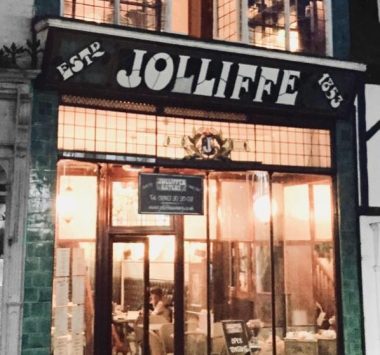
Possibly the most famous Jolliffe from the Isle of Wight is Henry Jolliffe, who set up a bootmaking business in 1853 at Shooter’s Hill in Cowes. The original shop burned down and a new Art Nouveau building was purpose-built as a shoe shop on the site during World War I. The Joliffe’s shoe and boot business remained until 1991.

Jolliffe’s is now a coffee shop.
Lacey
‘Lacey’ has been written in several forms, including de Lacey, Lacey, Lacy, Lassy, and Leacy. It is a surname of Norman-French origin, one of many to come to the Isle of Wight after the Conquest of 1066. It derives from the village of Lassy in France.
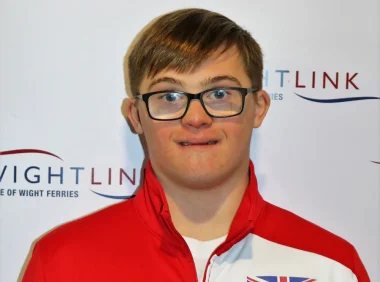
Possibly the most famous Lacey of recent times is swimmer Zach who has achieved podium places in the butterfly in World and European events. His sister Abigail is an Island Games gold medallist in the individual medley.
Lale
Lale is the most Isle of Wight surname. It originated here in the 10th Century and is Norman in origin, deriving from ‘de L’Isle’, meaning in Latin ‘Of the Isle (of Wight)’.
The ‘original’ de L’Isle was Hugh Hugh (de Estur), who came across to England with William the Conqueror and was granted lands for distinguished services rendered at the Battle of Hastings. He and his brothers Roger, Nigel and Gervase, held lands on the Island as listed in the Domesday Book.
‘L’Isle’ – over the centuries – became corrupted to ‘Lale’.
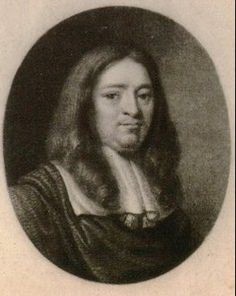
Possibly the most famous L’Isle (or Lale) was Lord John Lisle, born around 1609 in Wootton. His rather infamous association with royalty is quite well documented, as he was one of Cromwell’s Lords involved in the regicide of King Charles I in 1649.
Mew
There are 2 possible origins for the surname ‘Mew’. It may come from from Middle English mew ‘seagull’. Alternatively, it may be an occupational name or nickname from Old French mue ‘mew’, meaning someone employed at a mew – a cage or set of cages for hawks.
Mew has also been written as, Mewe, Mewes and Mews. The 1st recorded ‘Mew’ on the Isle of Wight was found in the Domesday Book, where it was spelt ‘Meulx’.
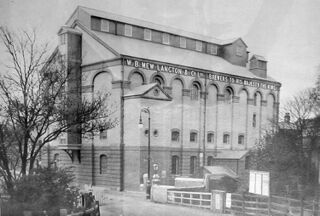
The most famous Mew was Benjamin, founder of W B Mew, Langton & Co, the Island’s main brewery in the 19th and 20th centuries. In 1965, when it was sold to Strong & Co, it had 144 public houses.
Pragnell
 The meaning of the surname Pragnell is from the Old English personal name Paien, meaning a heathen or pagan. It may also come from the Latin name ‘Paganus’: a rustic or country dweller.
Records of Pragnells on the Island date back to the time of the Norman Conquest.
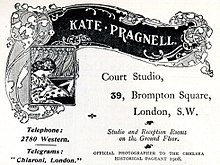
Possibly the most famous Isle of Wight Pragnell was Kate, who was a famous photographer in the early 20th century.
 Rayner
This long-established surname comes from the Old Norman French male name Rainer or Re(i)ner. This is derived from the Old German Raginhari, combining ragin ‘counsel’ and hari ‘army’.
There have been Rayners on the Isle of Wight since at least the 11th century when the surname was recorded in the Domesday Book.
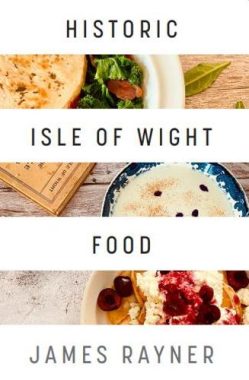
A current Isle of Wight resident – James Rayner – is the author of Historic Isle of Wight Food featuring traditional Isle of Wight recipes.
If there are any well-known Isle of Wight surnames you think we have missed, please let us know in the comments.
In the next edition of Isle of Wight surnames, we shall take a look at the latter part of the alphabet, from Scovell to Wheeler.
If you missed the 1st part of the series, then why not give it a read.







No mention of Flux!!!!
In addition to Bucket, missing from episode one, can I aso add Cotton?
No mention of peach either.
Is Croad an Island name? I had never heard of it before living here.
What about Webb?
Lots of people with webbed ties & fingers on the island?
any think on name sibbick
Anything ?