










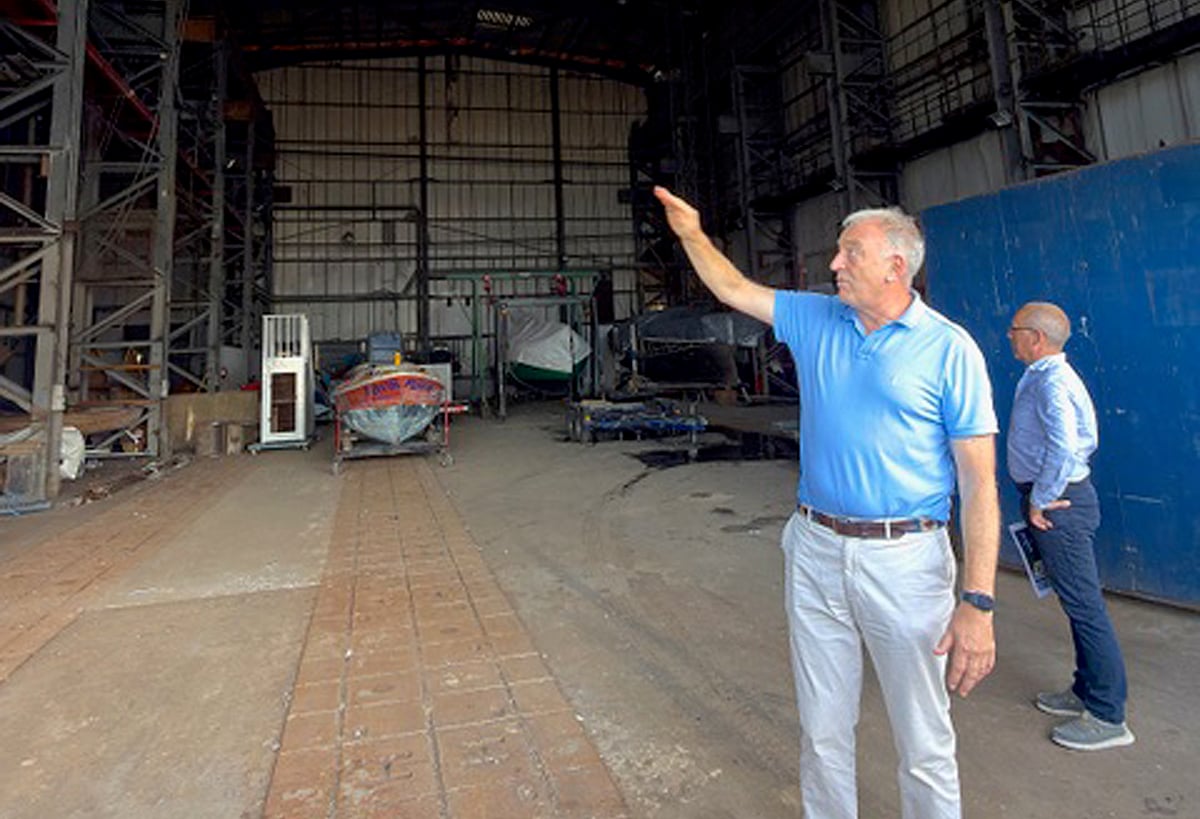




















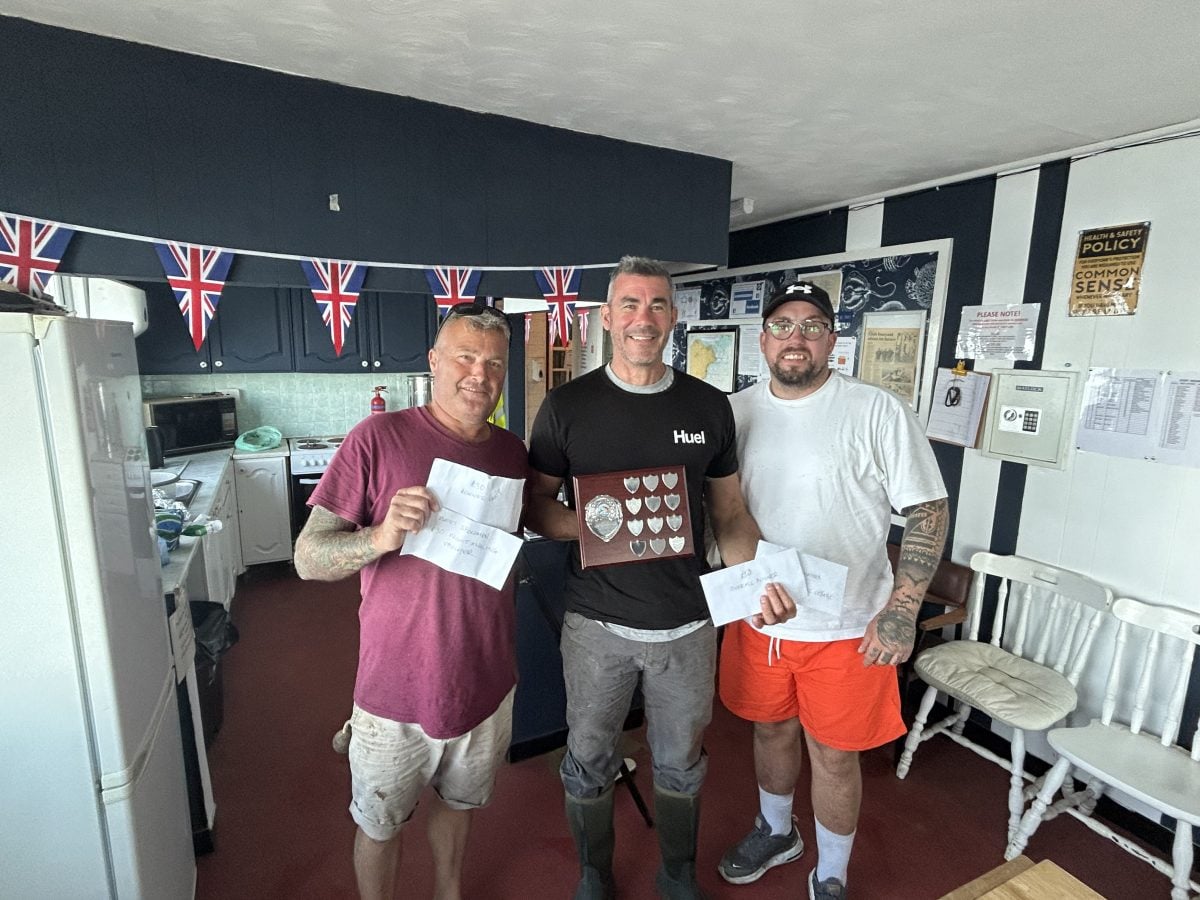






 Following the launch of the Isle of Wight’s first oyster regeneration project in October last year, UKSA has now made it part of the sustainability modules on its education courses. The Cowes-based charity, which provides life-enhancing water-based adventures, education, and world-leading maritime training, worked in partnership with Blue Marine Foundation and Cowes Harbour Commission to get the baskets and the initial oyster stock to Cowes in the River Medina. This initiative would not have been possible without the generous funding support provided by Cowes Harbour Commission. The project will facilitate the release of millions of larvae into the Solent, while also providing refuge for other marine life including endangered European eels, young seahorse and sea bass. With sustainability a part of its course curriculum for Maritime Foundation Year 1 for the last three years, UKSA has now introduced it to all of its NCFE Outdoor and Adventurous Activities courses. Ben Willows, CEO of UKSA said:
“The launch of the oyster regeneration project at UKSA was landmark, and it was important to us to be able to incorporate the project within UKSA as much as possible. A great start in making a difference in the marine environment we call home, the project is a step forward for sustainability on the Island and the students having such a local reference while learning about sustainability is fantastic. The students have thoroughly enjoyed their work with the oysters so far and making their regular check-ups on the newest members to the UKSA team.”
Gary Hall, CEO of Cowes Harbour Commission said:


“Cowes Harbour Commission is proud to have been involved in funding this groundbreaking project. The commission has long term environmental and sustainability plans and targets for the management of the harbour, estuary and river medina. This project has wide reaching benefits in many respects and now that the oyster project is part of the sustainability modules of UKSA’s education courses the next generation of potential maritime professionals can learn about the incredible work of these marine ecosystem engineers.”
As part of the module, the students will undertake work on understanding sustainability and impact on the environment as well as taking away knowledge of geographical forces that influence landscape development and explore ecosystems and the factors which influence ecology. They will also learn about the impact of using the countryside, how to approach sustainable recreational use of the countryside and understand organisations associated with conserving the environment. The 1st oysters were placed in baskets beneath UKSA’s pontoons in Autumn and the students will be checking on the oysters and the cages, as well as measuring their growth. As ecosystem engineers, the oysters will provide a range of benefits to the environment and people such as improving water quality, with a single oyster able to filter up to 200 litres of water every day. They also act as a natural defence to coastal erosion. Despite the last known oyster fishery on the Isle of Wight closing in the 1970s, between 1972 and 2006, the Solent supported the largest native oyster fishery in Europe, however, the oyster population has declined significantly and the fishery collapsed in 2013. Native oyster reefs in the UK have declined by 95% due to overfishing, pollution, disease, habitat loss and other pressures.





“Firefighters are using environmental protective equipment to stop the liquid impacting the local ecosystem.”
Would that environmental protective equipment be a bucket?
slop in a tin of radweld, fill with holy water from the font at the Abbey, jobs a good un
Zzzz, no doubt firestone copse road was gridlocked with island drivers, I suppose if they’re gridlocked, they can’t roll over at least
Screwdriver and a jubilee clip jobs a good an panic over Tesco deliveries will be late today
A diesel bus dumping it’s fluids on the road, never seen that before (sic). Maybe time to ban these moving fire hazard and environmental disasters. Only fair, the oil shills call for the banning of all electric buses because one catches fire the other side of the world.
I totally agree, Fred. Fortunately they are getting some electric buses soon, wait for the complaints.
What worries me more than a bus with a coolant leak is the member of public who phoned the fire brigade being unable to tell the difference between steam and smoke
Yet another sexist remark that got through moderation.
Next one gets reported to ICNN. Lets see you get an award from them then.
“Forget car worries”
What do you expect for a £2 Ride