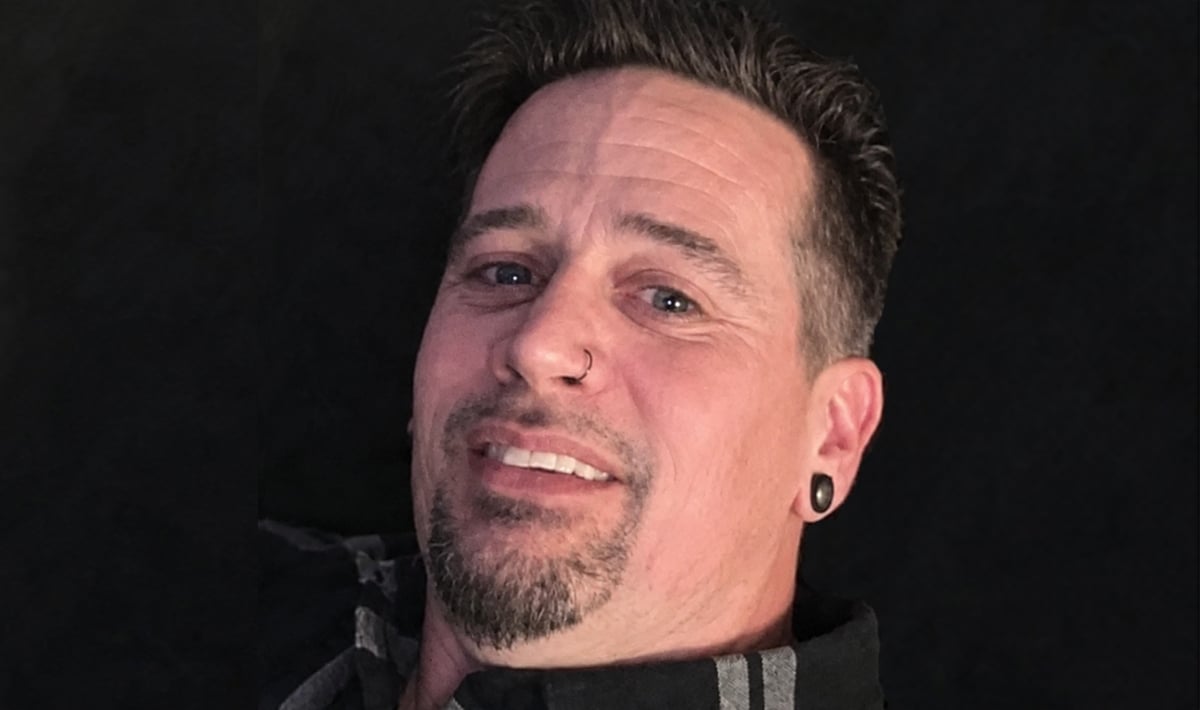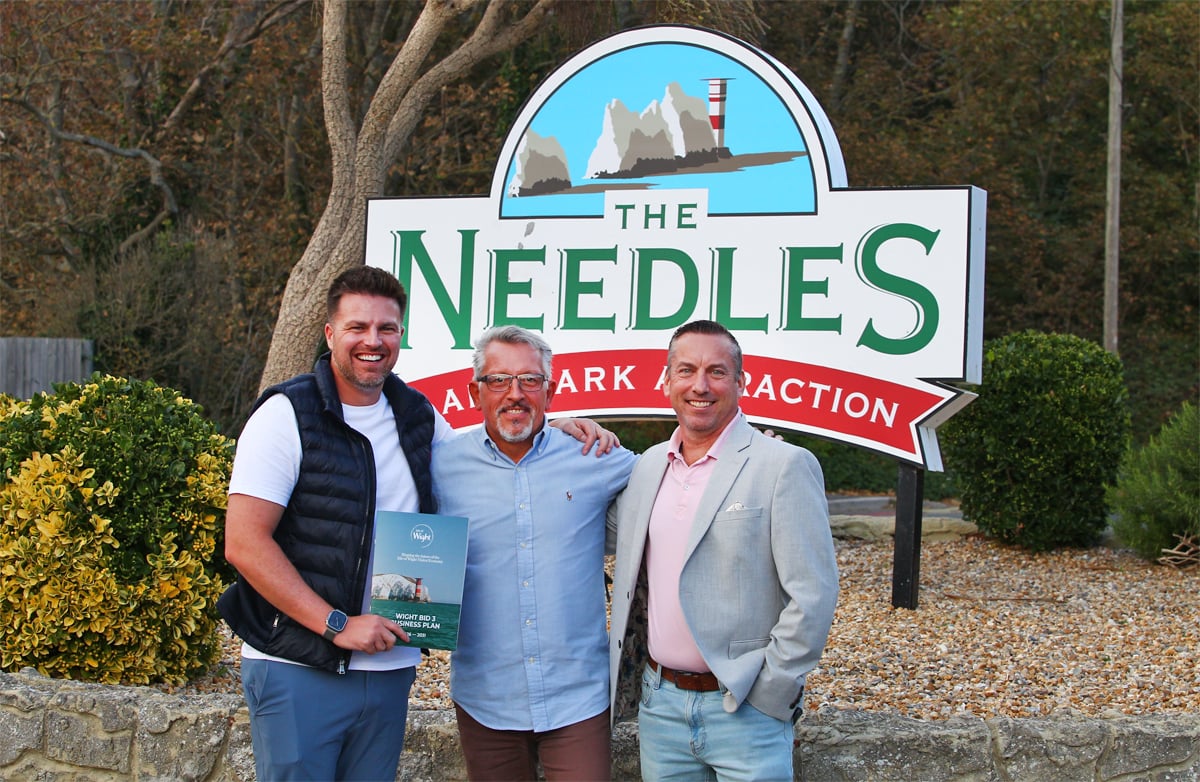
































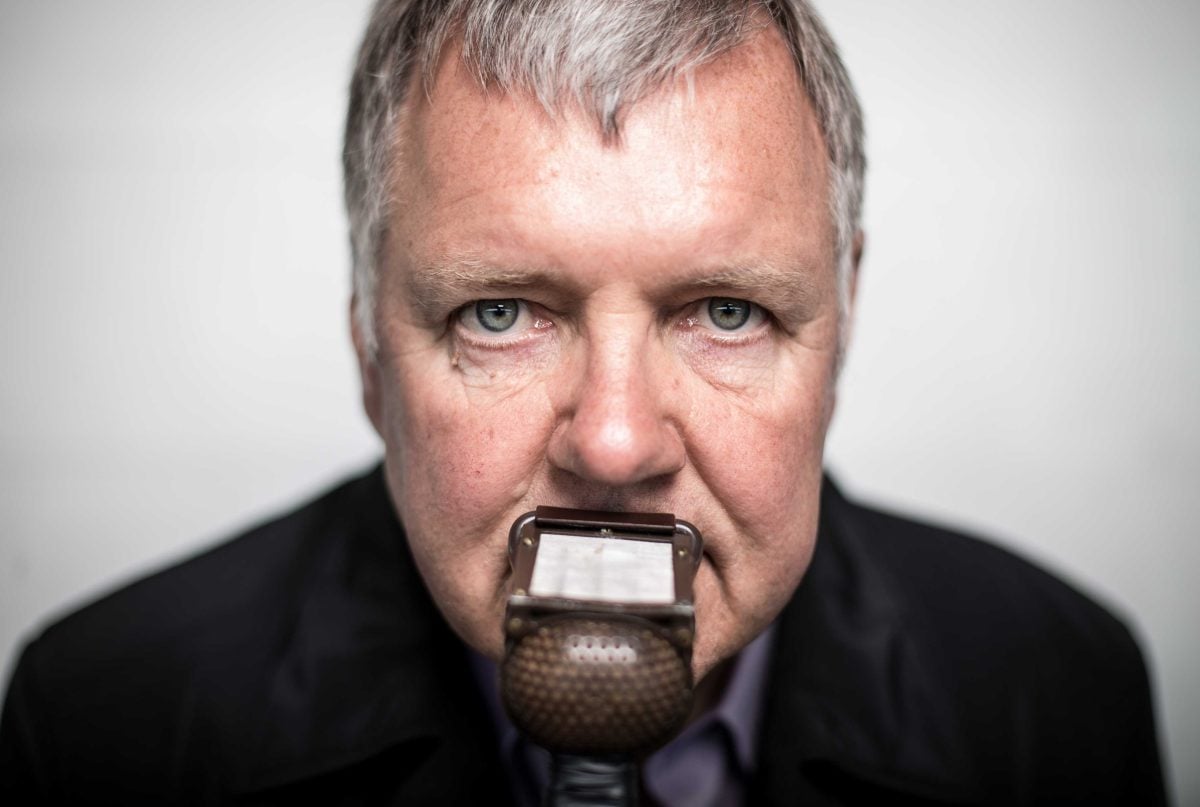






Allan Leech, CEO of Heritage GB, has exclusively spoken to Island Echo about the controversial WightBID and why he believes businesses should support its latest 5-year funding proposal.
WightBID sees eligible Isle of Wight businesses pay a levy towards a central fund used by Visit Isle of Wight to market the Island as a visitor destination.
Businesses are now voting on whether the scheme should continue for another 5 years under WightBID 3, which would run from November 2026 until 2031.


If approved, the levy would remain compulsory for qualifying businesses, with the Isle of Wight Council collecting the money on behalf of Visit Isle of Wight.
The ballot comes after a decade of WightBID and at a time when many tourism and hospitality businesses are already facing increased employment, energy and other operating costs.

Allan heads up Heritage GB, a national company which operates 10 landmark destinations and tourist attractions, including The Needles Landmark Attraction here on the Isle of Wight.
Speaking about the importance of Visit Isle of Wight to Heritage GB, and the wider importance of the visitor economy, Allan said:
“Heritage GB owns and operates not just the Needles Landmark on the Isle of Wight, which is a landmark, but it’s also a big commercial operation with big responsibilities.
Article continues below this advertisement “I have the same thing with Land’s End in Cornwall, the number 1 landmark there. John O’Groats for Scotland, the wonderful Snowdon Mountain Railway for North Wales, and the Liver Building in Liverpool. So absolute landmarks and destinations. And I can compare and see how important they each are to the place.
“And we take that very seriously; we understand the economics and its position inside of each economy. We take that really, really, really seriously, particularly on an island.”
For Allan, the debate surrounding WightBID extends beyond simply how the Isle of Wight is advertised to potential holidaymakers.
He argues that the scale of the Island’s reliance on tourism means the success or failure of the visitor economy has consequences for tens of thousands of Islanders and businesses which may not immediately consider themselves part of the tourism industry.
Touching on the statistics of Islanders who rely on the tourism industry, Allan said:
“The Island has 140,000 residents; 68% of those [140,000], so 93,000, are employed and work full time. And it actually boils down to 35,000 of those are employed directly in tourism and leisure.
“So of the 140,000, 35,000 are employed directly in tourism and leisure in the Island. But then add another about 5% of that to supply them, so the window cleaner, the builder, the person that drives the delivery van or does the laundry at the hotels. So you’ve then got 40,000 people who are reliant on buoyant tourism and visitors to the Island.
“That’s unreal as a percentage.”
“So that’s the spinal cord, when people say take tourism seriously, it doesn’t get any more serious than that – and that needs to be supported in every way we can.”
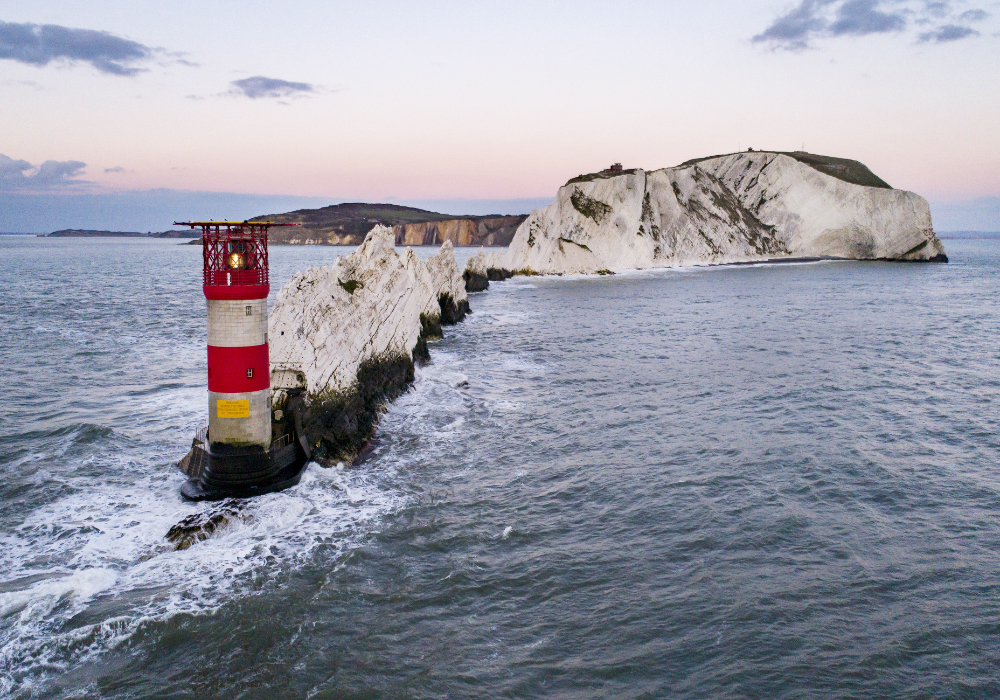
Allan went on to highlight the role Visit Isle of Wight plays in marketing the Island in an increasingly competitive domestic tourism market, with destinations such as Cornwall, Devon, Wales and the Cotswolds all competing for visitors.
Central to the debate around WightBID 3 is how much individual businesses will be required to pay.
Under the proposals, the current largely flat levy of 1.75% would be replaced by a stepped system based on business sector.
Attractions such as The Needles would pay 5% of their rateable value, while transport operators and car parks would pay 6%, accommodation and marinas 2.25%, entertainment and leisure businesses 2% and food and drink businesses 1.75%.
The BID is projected to have income and expenditure of more than £6.1million between 2026 and 2031, with around £5.6million expected to come from compulsory levies paid by eligible businesses.
The Isle of Wight Council is itself a levy payer because it has 40 qualifying properties. Its annual liability under BID 3 is estimated to increase to around £103,000 – approximately £68,000 more each year than under the current arrangement.
Over the full 5-year term, that represents around £340,000 in additional Council expenditure, subject to changes in rateable values and indexation.
For Heritage GB, the new levy would also mean a significant increase in the amount paid by The Needles.
Allan said:
“If I say that here at The Needles, I’ll have [our contribution] triple. But I’m okay with that, I’m okay with that because I know that what I would be putting into the central team to arm Visit Isle of Wight to go to this fight.
“My wider concern is, if we didn’t do it, what does that look like?.
“I don’t know, and I don’t really want to find out.”
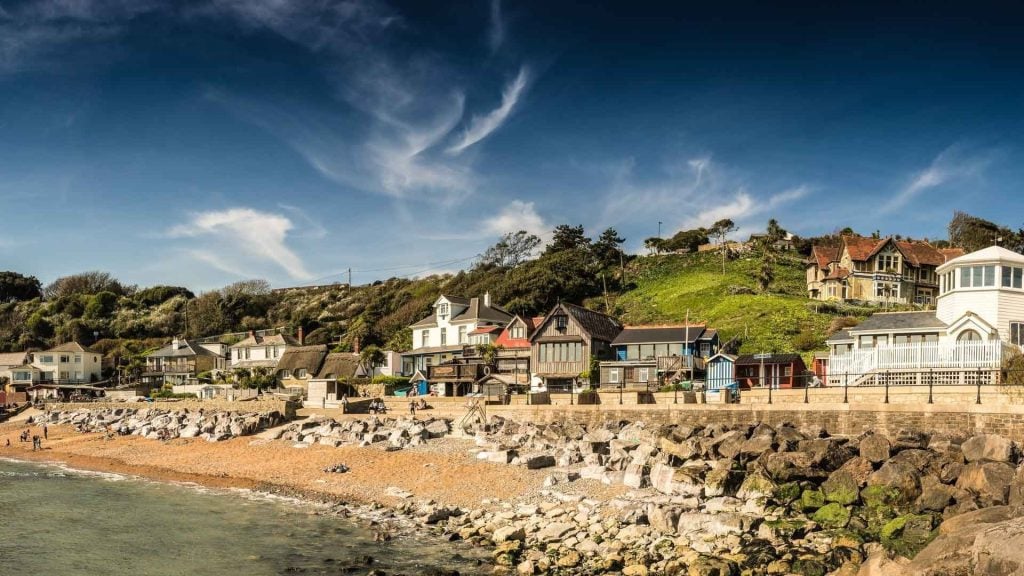
When asked whether the rise represents value for money at a time when smaller Island businesses are struggling to make ends meet, Allan acknowledged the pressure facing private operators but argued that destination marketing cannot be underfunded if it is expected to compete effectively.
He said:
“You can’t underfund something; otherwise it’s not worth doing.
“I can really understand, particularly for privately-owned companies and small companies… the BID could seem to them like an extra that we don’t need to help operate our business.
“I do take on board that some, particularly privately-owned companies, are going to feel like that’s a bit squeezy, but we need to fund the BID properly and appropriately… You can’t half do a campaign. You have to have it done properly.
“I don’t think it’s a risk. I think it’s a good investment.”
Visit Isle of Wight’s WightBID 3 Business Plan has itself warned that there is “no plan B” should the ballot fail, with destination marketing, trade activity, industry representation, research and other work currently undertaken by the organisation at risk of ending.
Allan echoed that concern, saying he tries to avoid thinking about what the alternative would look like.
He said:
“I don’t want to think of plan B, because I dont’t think there is one.
“To not be selling the Island, to not be selling that crossing, to not be attracting the visitors we absolutley need – it’s our lifeblood.”
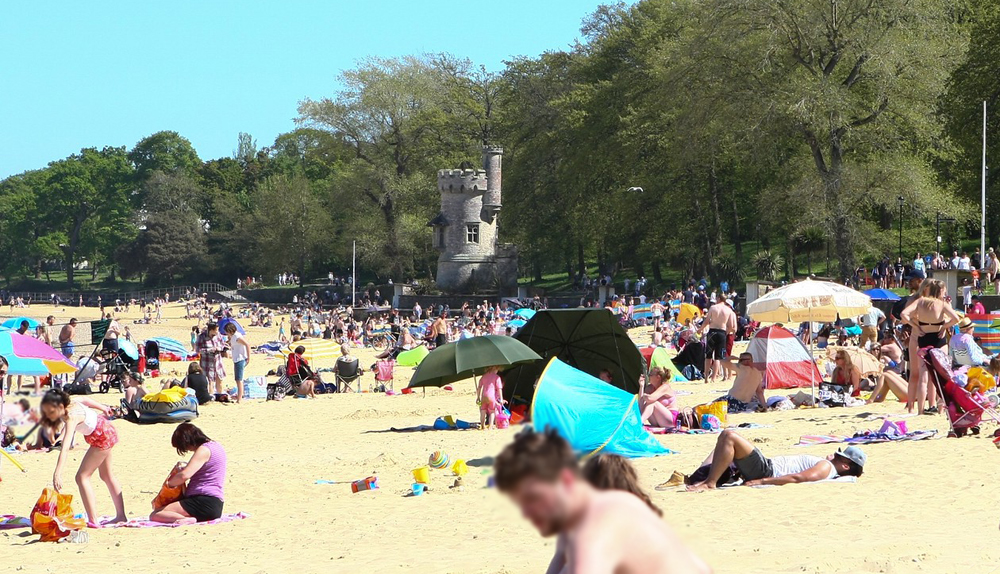
Despite his support for WightBID 3, Allan acknowledged the scrutiny Visit Isle of Wight has faced during its tenure and admitted he believes the organisation “lost its way” during WightBID 2.
However, he drew a clear distinction between that period and the team now responsible for taking the organisation forward.
He said:
“BID one was really quite strong, dynamic. It really stepped up and… delivered. I think it did a good job.
“BID two… I do think some of the personnel kind of lost their way a little bit.
“But the new roster the new team that I’ve met now for the last 18 months, 2 years [are] completely different and really fit for purpose.
“The new VIOW really is fit for purpose.”