















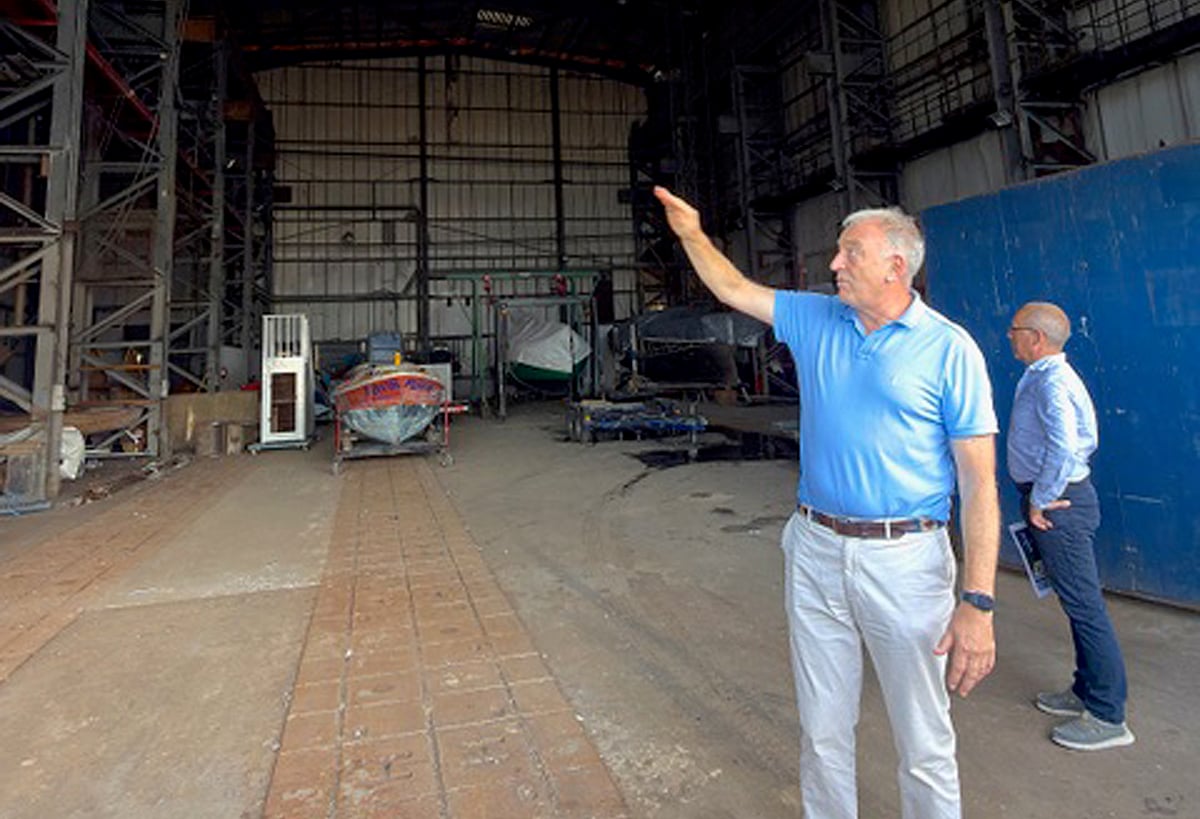












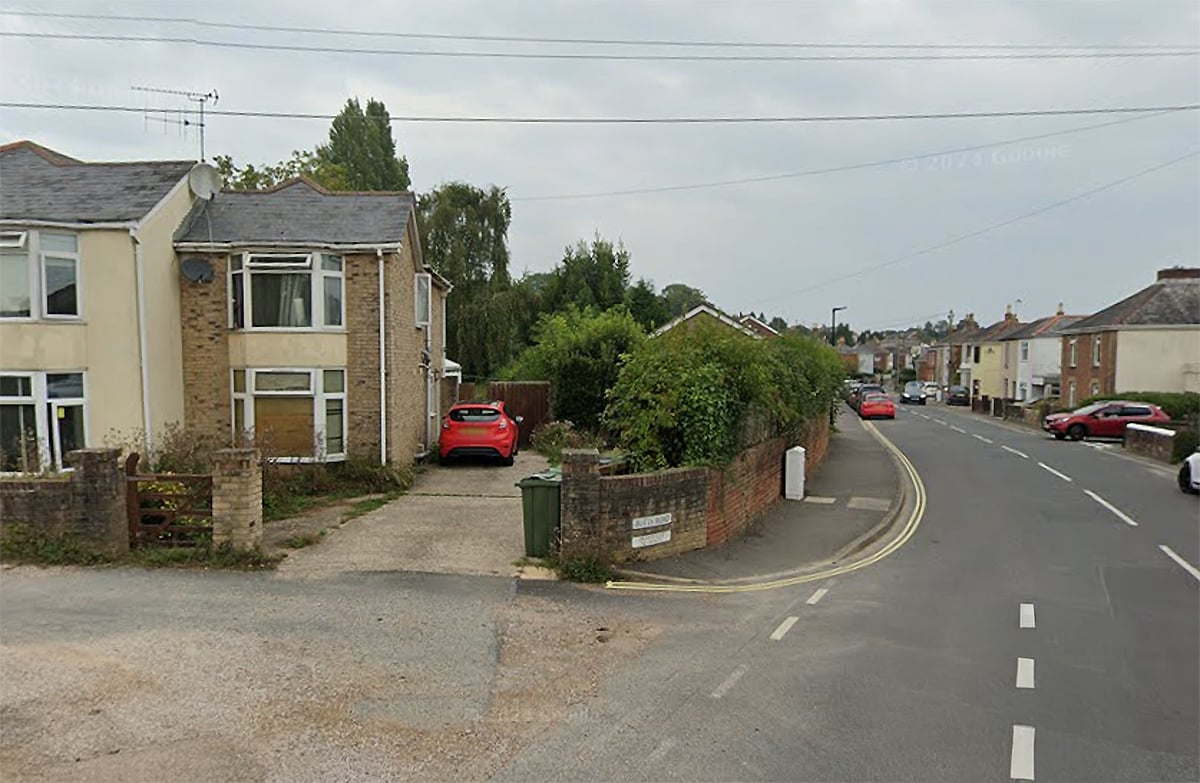


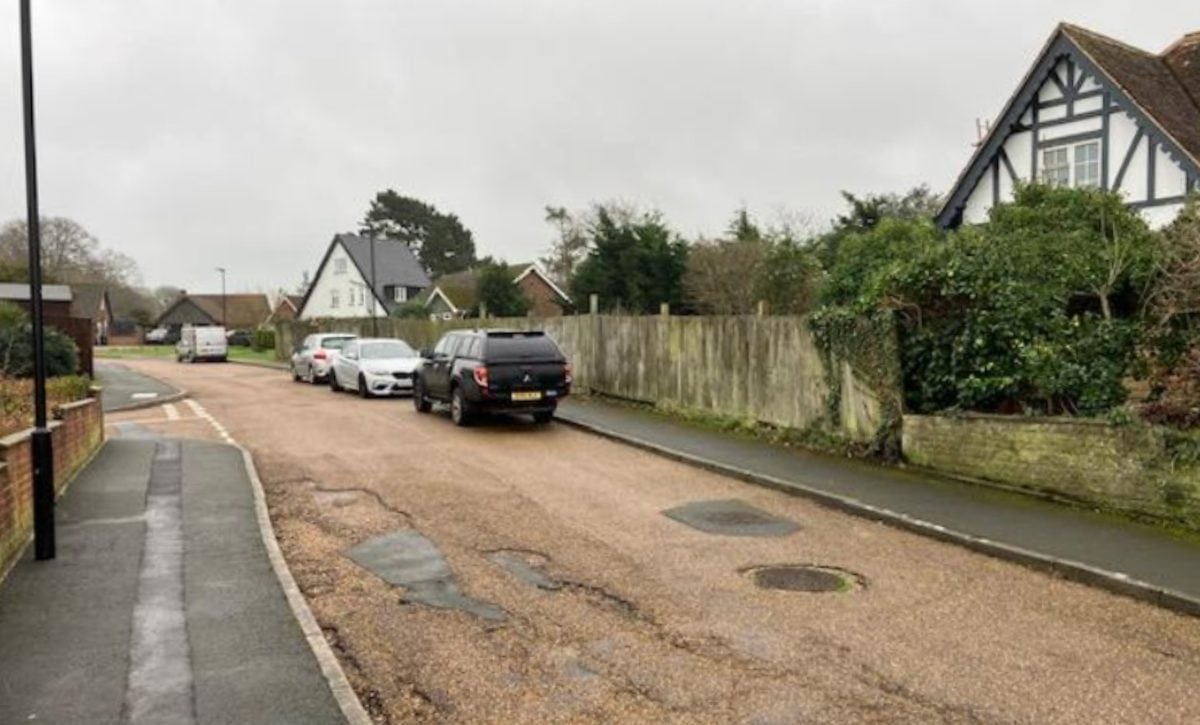


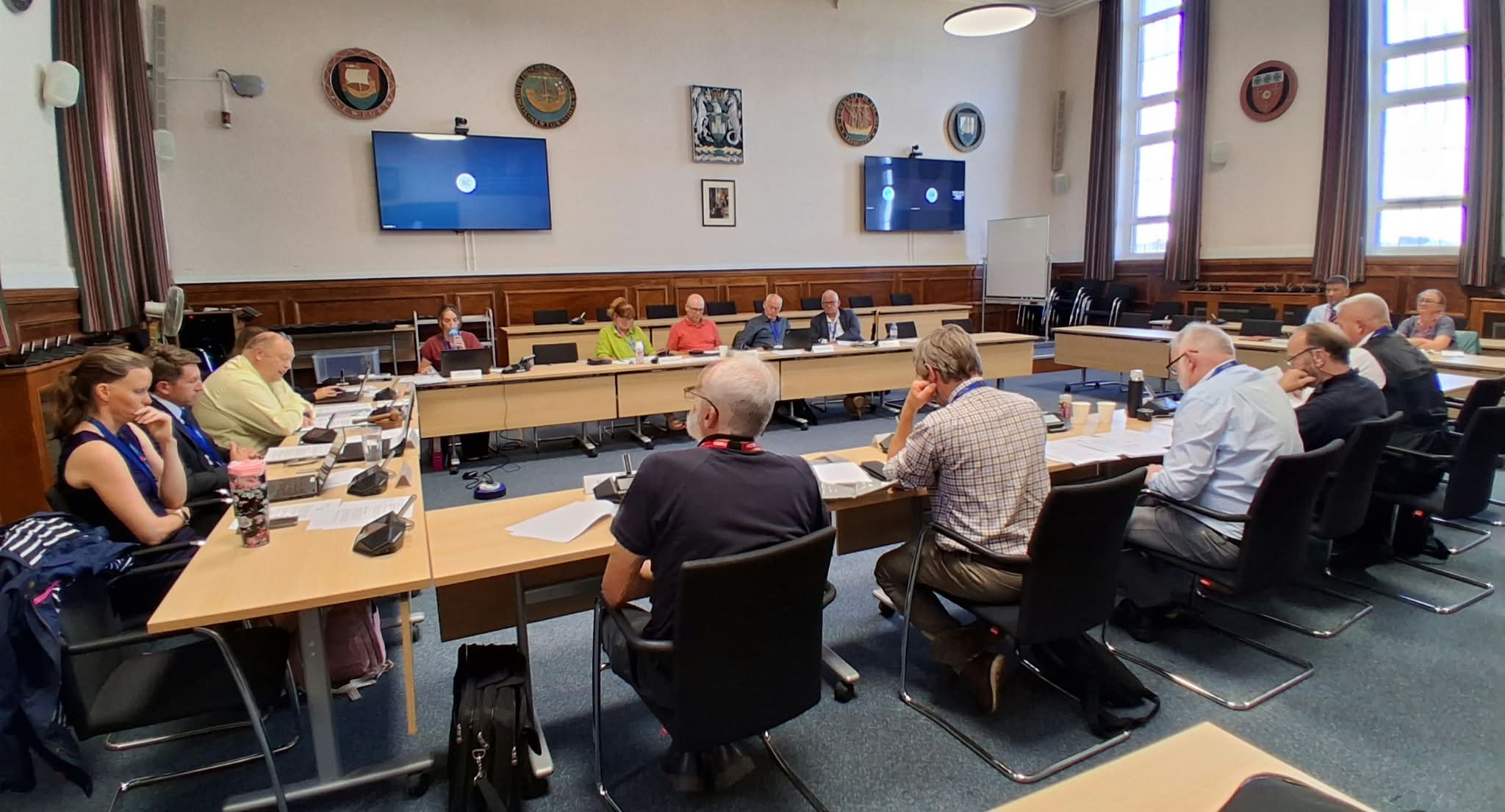























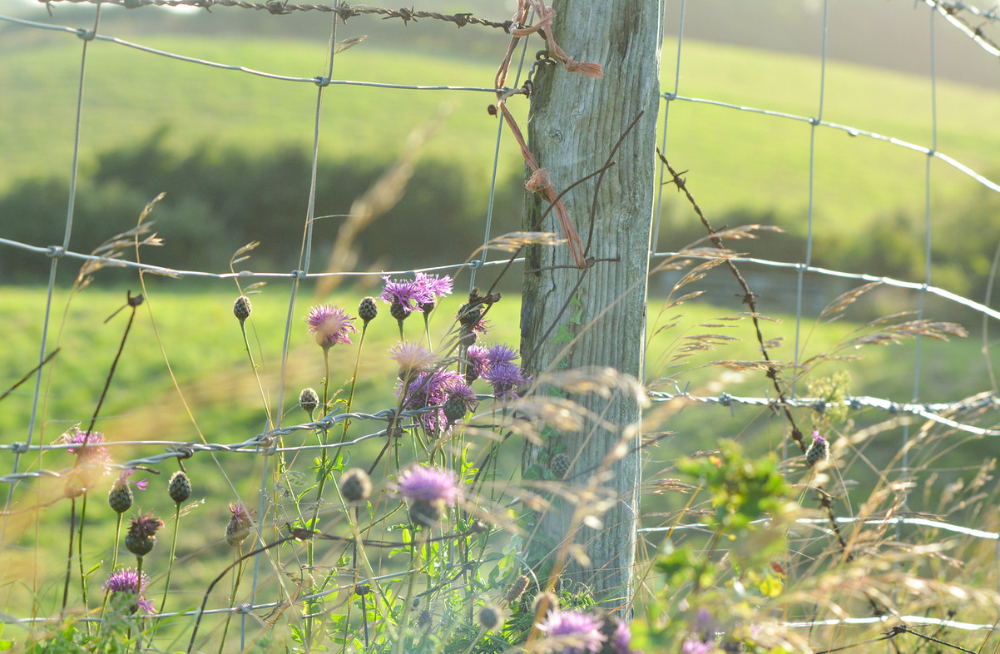

As part of his continuing campaign for the protection of wildflowers on Island verges, local MP Bob Seely met with a number of stakeholders at a workshop last month (22nd August) to discuss how road verges can be sustainably managed.
Representatives from the Isle of Wight Area of Outstanding Natural Beauty (AONB), Isle of Wight Association of Local Councils, Island Roads, the Isle of Wight Council and Plantlife – a British conservation charity working to save threatened wildflowers – came together to discuss ways to manage road verges to encourage biodiversity and enhance their role as wildlife corridors whilst ensuring the safety of road users.
Bob, who wrote to the Council in June last year asking it to cut roadside grass verges more sensitively, said:


“Thank you to the organisers of this event. Verges act as mini-meadows providing vital wildlife corridors between towns and villages. In the past, verges have been cut in a way that kills wildflowers during flowering season and replaces them with thick grass that needs more cutting.
“It’s really important that we protect our beautiful wildflowers on the Island. Not only do they enhance the beauty of our Island, but they also provide a vital habitat for wildlife”.
“I am keen to see a partnership approach being taken to the management of our verges.”
Bob said that tens of thousands of pounds had already been saved by cutting verges less. Bob said changes he would like to see included:
- More ‘no-cut’ areas to be identified by Island Roads, working with the Isle of Wight Council and parish councils. Clearly this is dependent on safety.
- With the money saved, the Council agree to support Island Roads in the purchasing of specialist equipment to ensure best practise in verge cutting, which will result in easier and more environmentally sensitive cutting by collecting the cuttings and promoting wildflower growth.
He continues:

“Less frequent cutting will improve the beauty of Island verges for residents and visitors, encourage pollinators and improve biodiversity.”
Bob also said that an education plan was needed to win support for the new policy and to explain why wildflower verges are beautiful.
AONB Lead Officer, Richard Grogan, said:
“The Isle of Wight AONB as manager of the Local Records Centre and the lead partner in the Isle of Wight Biosphere are keen to see the Island’s wildlife thrive in a landscape dominated by human influences.
“The management of our road verges as wildlife corridors highlights a very visible way local parishes, the local authority and concerned organisations and individuals can work together to maintain our grassland verges for wildflowers, pollinators and small mammals as well as provide safe and colourful roadsides for residents and tourists to enjoy”.
As part of its contract with the Isle of Wight Council, Island Roads is responsible for cutting and maintaining around 1,350,000 square metres of highway verges across the Island.
Bob is calling for a meeting between Island Roads and the Council to work together, in consultation with others, to agree on a sustainable management plan for grass verges.






Just a sly way of the main Council dumping the responsibility of verge maintenance onto gullible,oft naively run Parish councils as the main council have done with Public Toilets, (God help them IF we get a cap, or limit set on their precepts).
To create a wild flower verge is far more costly than just cutting grass, as one cannot just scatter a few seeds into long established couch grass and ‘expect’ a myriad of tall, swaying in the breeze, beautiful flowers.
All that will happen is the long established rough grasses and perennial weeds will grow, chocking off the flowers, and the resultant mess will, in reality be thick clumps of grass, with a few weeds growing through the KFC, Mc Donalds boxes and cartons, along with few cider cans, topped off with black bags of dog ‘doo doos’ dangling from the taller vegetation.
YOU will pay more on your precept as the Parish councils, EVENTUALLY see the error of their ways, and will need expensive equipment to maintain the verges come end of season when the thicker grass, and the stout weeds are beyond a simple mow and strim, and the half rotted boxes, tin cans, and fermented black bags of dogs doo, left for months in the sun will be a sight and smell to endure.
Those naïve, imagine sowing wild flowers is an ‘easy’ option. Yet like flower in your garden, to ensure they look nice, they need much time and care. There is a long period whilst they are growing, looking unsightly, and an even longer period ONCE they have had their brief moment of glory being in flower, when they die off, if they are left to self seed, when they look brown, dead and ugly.
To do it properly EVERY verge would have to be cleared or poisoned and then sown with the seeds, a costly, and time consuming affair.
There is merit on main road verges to leave for indigenous wild plants to grow, as is done over the downs roads etc, as people don’t walk their dogs there. But to try to falsely create this image of it working in towns and village where slobby people throw rubbish, and lazy dog walkers, not happy to carry the ‘smelly black, handbag until the next bin is reached & will quickly launch their dogs bowels content into the centre of a verge is not so appealing.
Also long grasses and wild flowers do not stay ‘upright’ when it is windy and rains and the narrow pavements will soon have wet, long vegetation making them narrow, a danger to the public, and annoying to get prams and schoolchildren wet from such.
The main council have not bothered to cut many Island footpaths making walking them with summer shorts etc impossible, soon then our pavements will become just as narrow.
As for ‘creating’ more habitats for wildlife, fine if you wish to have mice, rats, and bluebottles feeding off the discarded food waste containers.
SEE it how it REALLY WILL be, NOT how some dippy, airly fairy woman, who has had NO experience other than a few images clipped from ‘the net, ‘ imagines it will be. THEY, you can be sure will NOT be the ones clearing up the resulting mess.