





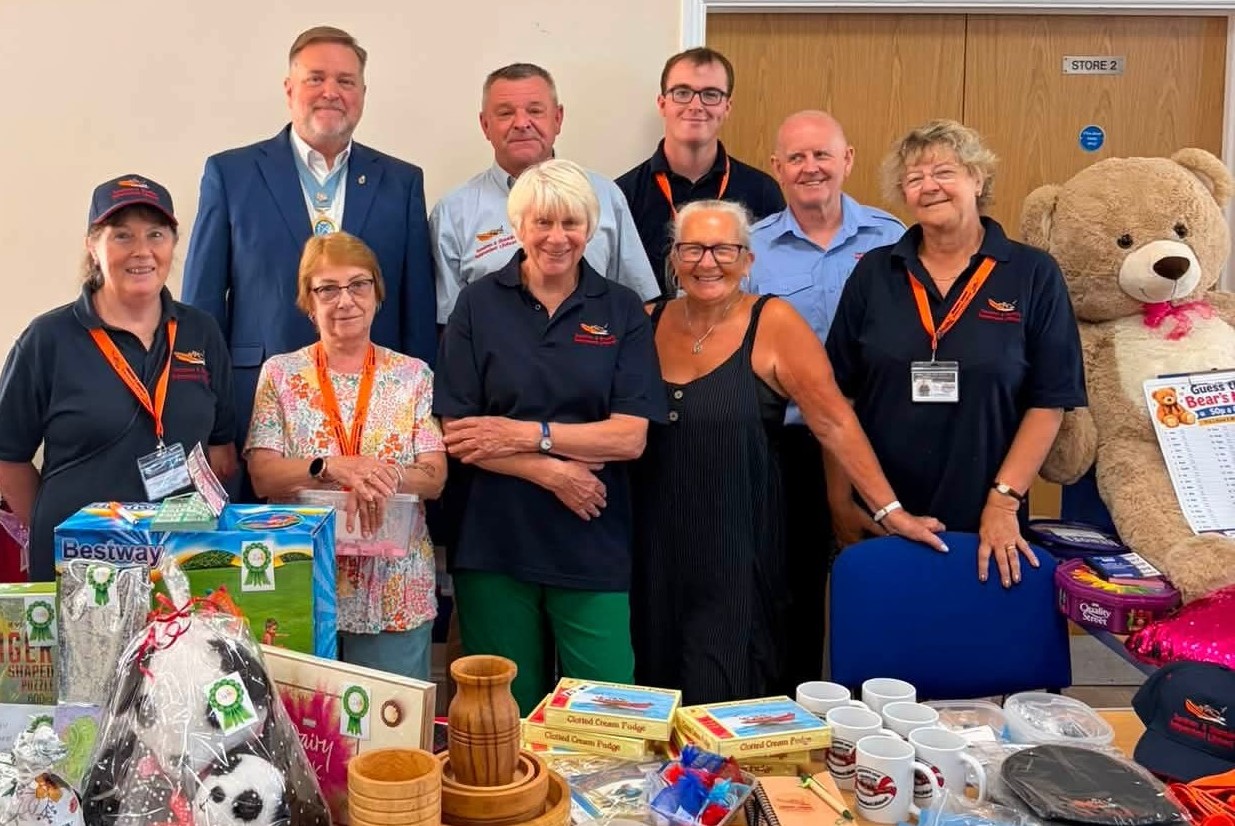









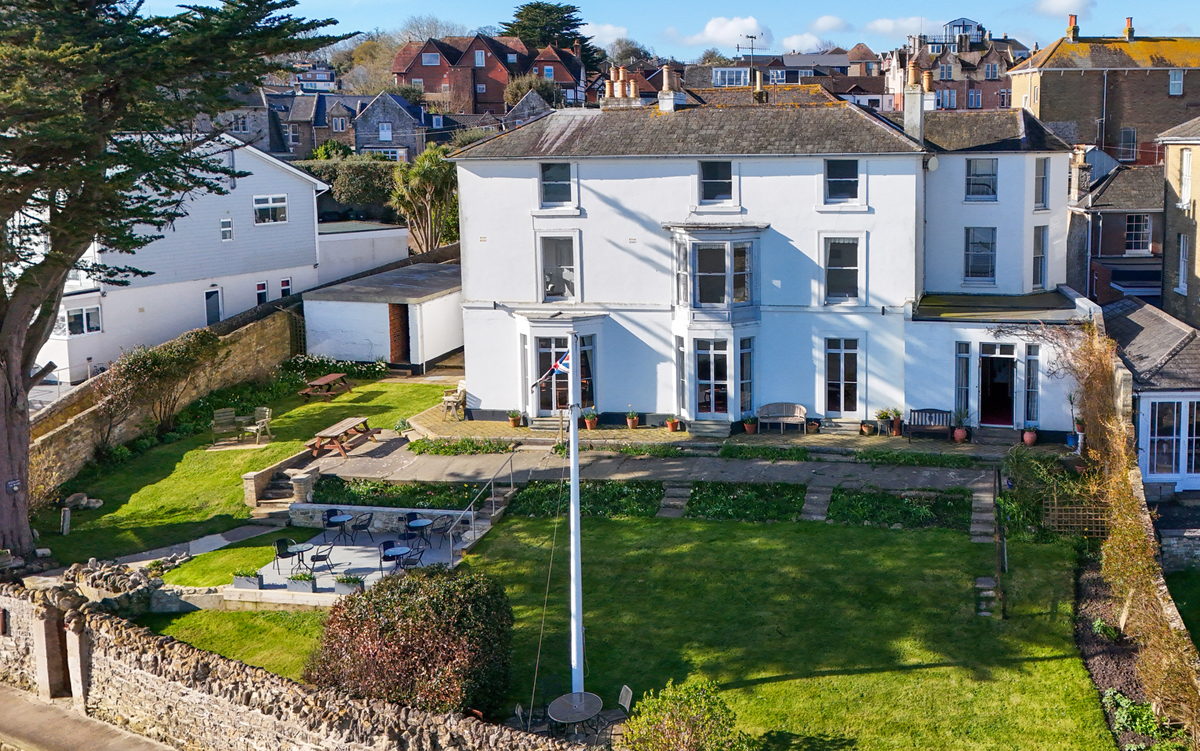














 The results of the annual Wight in Bloom competition, organised by Visit Isle of Wight, were revealed during a ceremony at Albert Cottage in East Cowes on Thursday (18th July). Wight in Bloom celebrates those in the community who have worked their green-fingered magic to provide incredible displays for all to enjoy – including the Island’s millions of visitors. The ceremony was hosted by Isle of Wight High Sherriff Graham Biss and Visit Isle of Wight chairman David Curtis-Brignell. Wight in Bloom Patron Alan Titchmarsh was unable to be at the awards in person, but sent a video apologising for his absence and congratulating everyone on their hard work and effort, calling the Isle of Wight a ‘special treasure’ and praising the work of everyone who makes it ‘even more beautiful than it would otherwise be’ and confirmed his ‘lifelong support’ for Wight in Bloom. High Sheriff Graham Biss BEM DL said that Wight in Bloom could only work with the participation of the Island’s community:
“I think Wight in Bloom is so fantastic, we’re bringing all members of our community together and promoting the Island. We live in a special place, but the gardens and the natural environment is so important in the fabric of the Island, and it’s fantastic that we’re able to celebrate the excellence which we’re holding in that particular area. “I think it is really important that we do celebrate success and we promote everything that is good about the Island”.
Winners received a certificate, made from reclaimed wood by the brand ‘By Mrs M’, sponsored by Southern Vectis, and category winners received an RNLI welly planter, in the year that the organisation celebrates 200 years of saving lives at sea. As well as winning the category of Best Small Tourist Attraction Garden, Farringford Estate was named the overall winner, taking home the Peggy Jarman Trophy, named for Peggy who was an ardent supporter of Wight In Bloom. The judges said of the garden:


“I am sure Lord Alfred would be most impressed what a beautiful garden. So much planning has gone into this garden by the whole estate team and many volunteers”.
 Ellen Penstone-Smith, joint head gardener at Farringford, said that winning the Peggy Jarman Trophy was incredible:
“The garden is only 7 years old, when we stared, it was just a field. My husband and I started with nothing, not even gardening tools, and I did the initial designs, so it’s kind of my baby. Then to go on and win the Peggy Jarman Trophy as the overall winner, when the garden is looking the best it’s ever looked, is so special. “This year we’ve had the best feedback from our visitors, as soon as they walk through the gates, they have their breath taken away. As a garden, it’s so wild and carelessly ordered – there’s obviously been a lot of planning to it, but it’s a very natural, very free and loose garden, full of flowers at the moment, and it is so nice to be recognised as being up there with some the best gardens on the Island!”
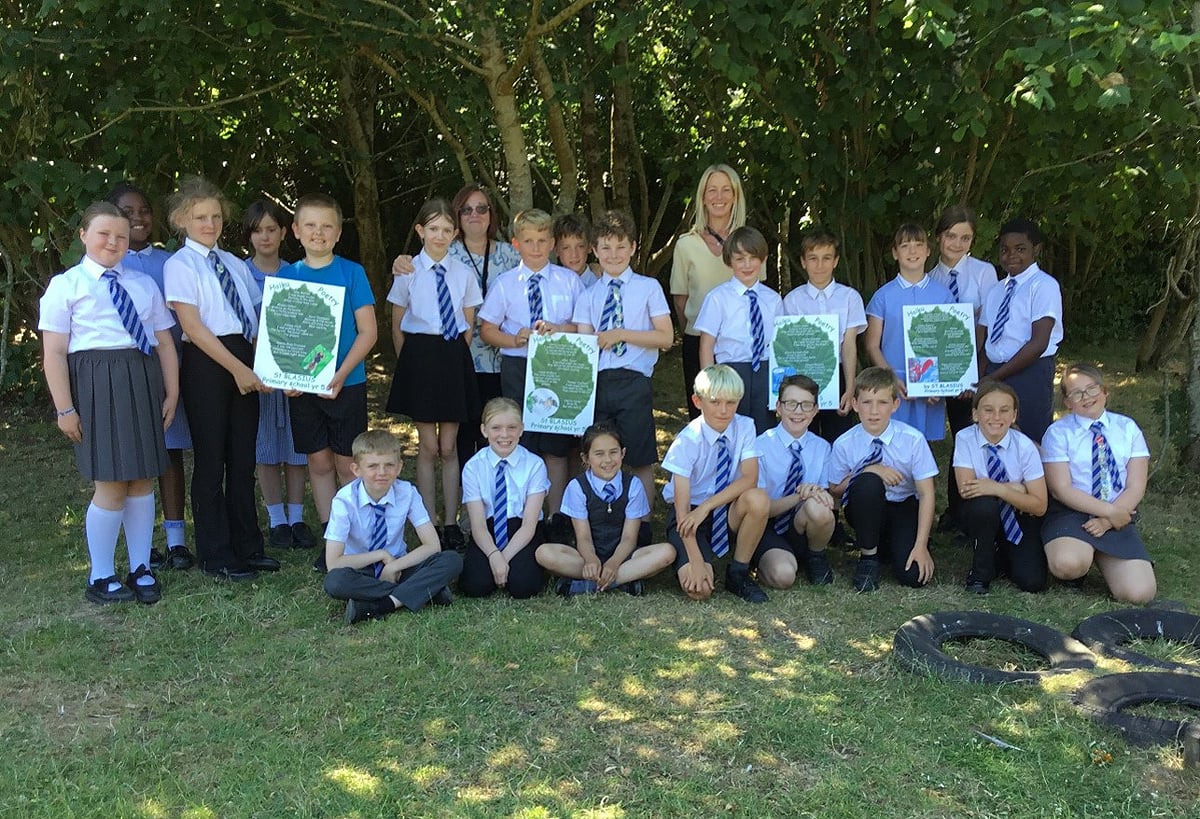
Broadlea Primary School, who won the Young Peoples Initiative, also received an extra prize of a class day out, courtesy of the Model Village at Godshill. Island Riding Centre was named the Best Large Commercial Garden, with judges citing that is was a large area and the team supported ‘the land with rotation, it is fully organic and has habitat creation for moths and other insects.’ Louise Buckner from Island Riding Centre was overjoyed to win the award:
“I was completely shocked, genuinely! It means such a lot to us and also to the children that have helped because we have lots children come here, with disadvantages, like Barnardo’s children, SEN children and they help me plant some of the wild meadows, we count the dung beetles in the horse manure, and then use the manure to put back in to the planting, and we’re really into ecology and keeping it completely organic and natural”.
Article continues below this advertisement

 David Curtis-Brignell MBE, Chairman of Visit Isle of Wight said:
“I am delighted to have been asked to host this year’s Wight in Bloom, recognising the hard work and dedication of the very talented people who have entered this competition – and I would like to thank every single person who helps to make this Island look so fantastic when the flowers are in bloom, bringing a burst of colour to each corner of the Island. “Congratulations to the worthy winners, whose efforts are outstanding and a special thank you to the judges, who give up their time and lend their expertise to ensure that Wight in Bloom is a great success. “It is only with the support from the Wight BID and our partners that we can encourage and celebrate those who strive to help the Island look the best it possibly can, and I’d like to thank everyone who played a part in making this happen”.








Has anyone else noticed the severe lack of butterflies and bees this summer?
This is the worse year I have ever known for lack of bees and butterflies on all plants both garden and wild flowers.
Even the so called Butterfly bushes normally smothered in such have hardly any.
The knock on effect will be birds who rely on caterpillars to feed there young, bats and swallows which feed on flying insects will suffer
Is it the Russians, the LACK of global warming, the NO MOW MAY wrongly encouraging butterflies to lay eggs in gardens only to have their caterpillars mown to pulp come June or heavy rains drowning chrysalis and hibernating bees etc.
Not normal and worrying.
I am and have been a bee keeper for over 22 years. This last winter I lost 3 of my 5 hives, this is the first time ever that I have ever lost bees. The hives were prepared for the winter in the usual way with enough food to last until the usual checkup in early spring, by Christmas a Quick Look and it was clear then disaster had struck, it wasn’t cold but I guess too damp with rain day after day. I am probably not the only one!
Thank you for your reply, not understanding much about bee hives, it would be clear to me that the extreme cold if for prolonged periods would harm the bees, but as you say, we haven’t had that
So why does rain affect bees safe and snug when overwintering in a dry hive?
I fully understand that those living in the great outdoors would suffer.
Even seems a lack of mosquitoes, flies etc .
Seems a serious problem yet to be highlighted by the media.
Also is it local? I wonder if this bio digester encourages too few flowering crops to be grown, just grass which is no use to butterflies and bees?
I hope your bee hives can soon recover as are badly needed.
Got any pictures of the gardens?