



































































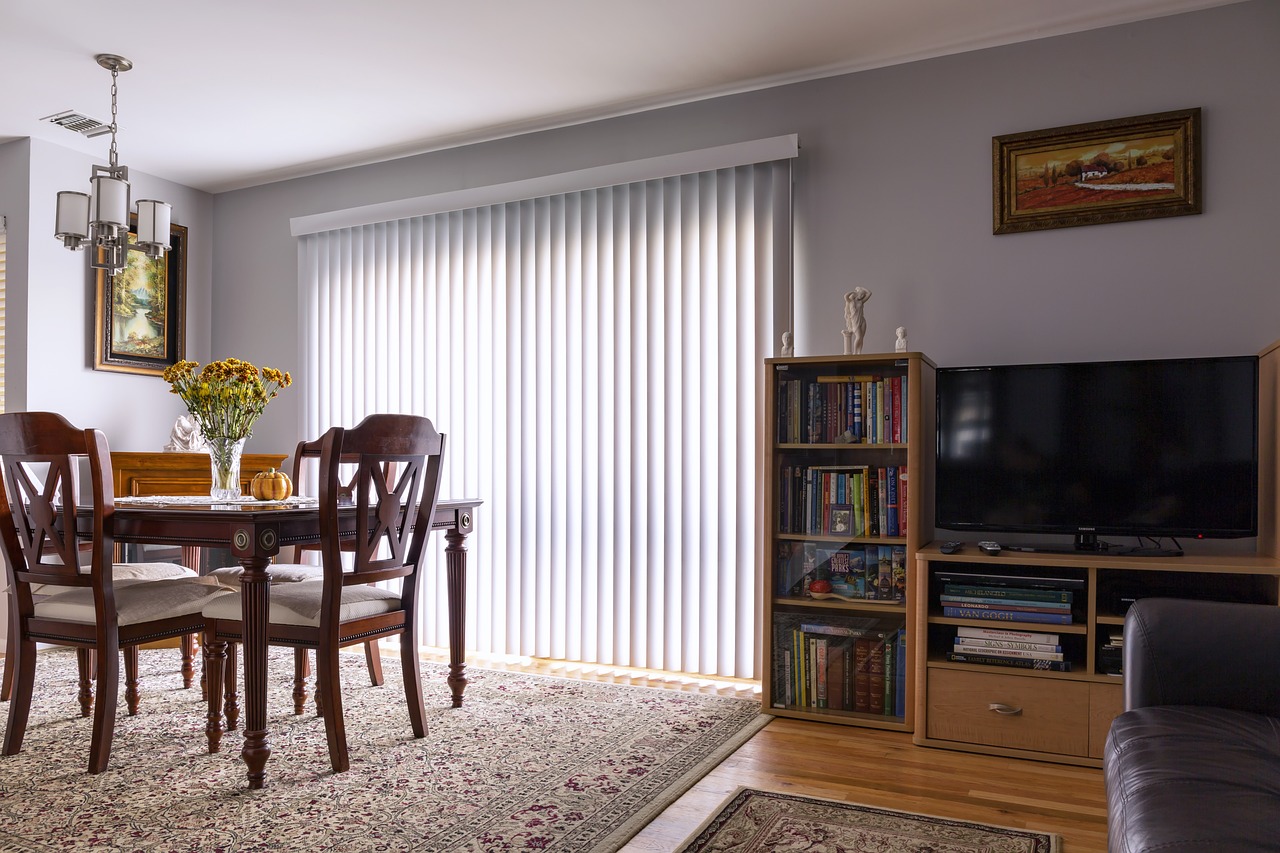

Window treatments play a crucial role in interior design, transforming the look and feel of any space. Beyond aesthetics, they provide privacy, control natural light, and even contribute to energy efficiency. Whether moving into a new home or seeking a fresh look for your current one, choosing the perfect window treatments is a significant decision. This comprehensive guide will walk you through selecting the ideal window treatments to enhance your home’s style, comfort, and functionality.
Understanding Window Treatment Options
You must understand the various options to choose the perfect window treatments. Lightweight and unlined, curtains offer a casual and breezy look. They come in a wide range of fabrics, colors, and patterns, making them highly customizable. Drapes are heavier and lined, providing better light control and insulation. They are often used for a more formal or elegant appearance. According to the reputable providers of window treatments behind Shuttercraft Ltd, you can also consider custom-made shutters that provide a timeless and elegant option, allowing for excellent control over light and privacy. For instance, simple and practical roller shades roll up and down. They are available in various materials, including blackout options for complete light control.
1. Choosing Materials and Fabrics
The material or fabric of your window treatments is a critical consideration. Each material has its unique qualities. Lightweight and versatile, cotton works well for curtains and drapes in various styles. Linen has a relaxed, natural appearance, ideal for creating a casual or beachy vibe. Luxurious and elegant, silk adds a touch of opulence to any room. However, it may not be suitable for high-humidity areas. Durable and low-maintenance, polyester is an excellent choice for homes with pets or children.


Wooden blinds and shutters offer warmth and a natural, rustic feel. They can be stained or painted to match your decor. Lightweight and modern, aluminum blinds are easy to clean and ideal for contemporary interiors. Vinyl blinds are cost-effective, easy to clean, and suitable for high-moisture areas like bathrooms and kitchens. Bamboo or woven wood shades provide a natural and eco-friendly option, perfect for bohemian or tropical-inspired interiors.
2. Measuring and Sizing
Proper measurements are crucial to ensure your window treatments fit perfectly. Measure the window width from edge to edge, including any window frames or molding. For curtains and drapes, decide whether you want them to hang above the window, just below the window sill, or to the floor. For blinds and shades, measure from the top of the window frame to where you want the treatment to end. Consider the depth of the window recess. Some treatments, like blinds or shades, need sufficient depth for installation.
3. Custom or Ready-Made Treatments
Decide whether you want custom-made or ready-made window treatments. Custom treatments offer complete control over size, fabric, color, and design. They are ideal for uniquely shaped windows or spaces where off-the-shelf options may not fit. However, they tend to be more expensive and have longer lead times. Meanwhile, ready-made options are convenient and budget-friendly. They come in standard sizes and styles, making them suitable for most windows. However, you may have limited choices in terms of customization.
4. Installation and Hardware
Consider how your chosen window treatments will be installed and the hardware needed. Some treatments require professional installation, while others can be DIY projects. Ensure you have the necessary tools and skills for installation, or hire a professional if needed. Choose curtain rods, brackets, and rings that complement your window treatments and match your decor style. Hardware should be sturdy enough to support the weight of your treatments.
5. Maintenance and Cleaning
Understanding the maintenance requirements of your window treatments is essential to keep them looking their best. Most fabric treatments can be machine-washed or dry-cleaned, depending on the material. Regular dusting and vacuuming can help prevent dust buildup. Dust blinds and shades regularly with a duster or a microfiber cloth. Wipe down with a damp cloth or follow the manufacturer’s recommendations for deep cleaning. Wooden shutters may need occasional dusting and refinishing to maintain their appearance.

6. Budget Considerations
Consider your budget when selecting window treatments. Prices vary significantly depending on the type, size, material, and customization. Ready-made curtains and blinds are often more affordable than custom treatments. Look for sales, discounts, or clearance items to find quality options at a lower cost. Consider investing in high-quality, custom-made treatments that suit your space if your budget allows. Premium materials and craftsmanship may come with a higher price tag but can be a long-term investment.
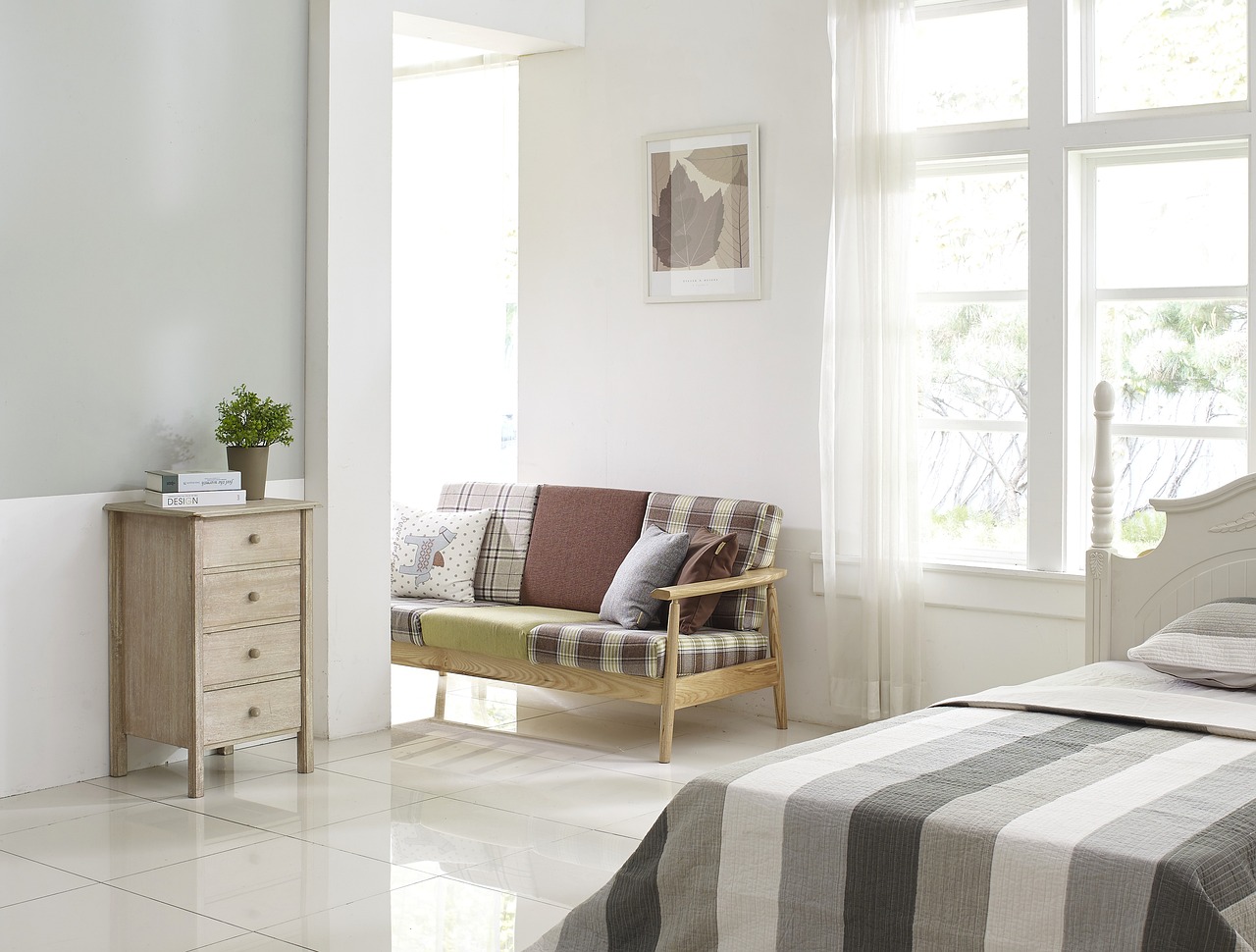
Choosing the perfect window treatments for your home involves careful consideration of your needs, style preferences, and budget. By assessing your privacy, light control, energy efficiency, and aesthetic goals, you can narrow down your options and make informed decisions. Remember that window treatments are not just functional; they are an integral part of your home’s decor, and choosing them thoughtfully can genuinely transform your living spaces.