

























































Over 30 rural and wildlife-related crimes have been reported across the Isle of Wight since the beginning of 2026, with incidents including the killing of almost 200 partridges, repeated attacks on sheep and offences involving protected wildlife.
Hampshire & Isle of Wight Constabulary has highlighted a number of incidents across the Island, with badger persecution accounting for the largest proportion of reported crimes and livestock worrying coming a close second.
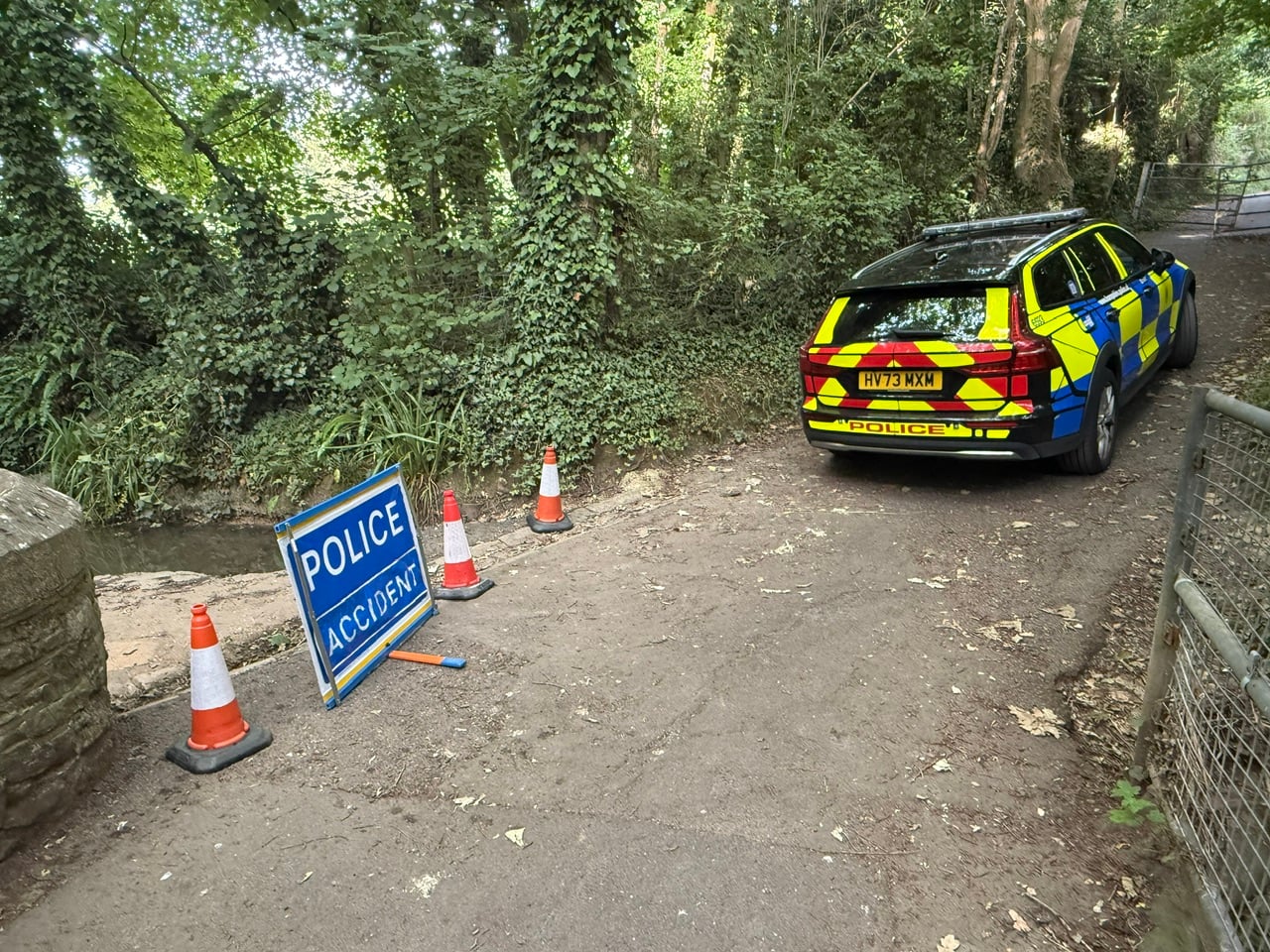
The latest incident occurred in fields surrounding Carisbrooke Castle on Friday, where 3 sheep suffered injuries so severe that they will have to be put down following a suspected dog attack.


It marks the 5th reported attack on the same flock in just 12 months, with previous incidents recorded on 2nd November last year and 30th January, 3rd August and 9th August this year.
Following the earlier attacks, PCSO Keefe visited the affected farmer, while colleagues from the Rural Crime Task Force loaned trail cameras to help detect any further offences.
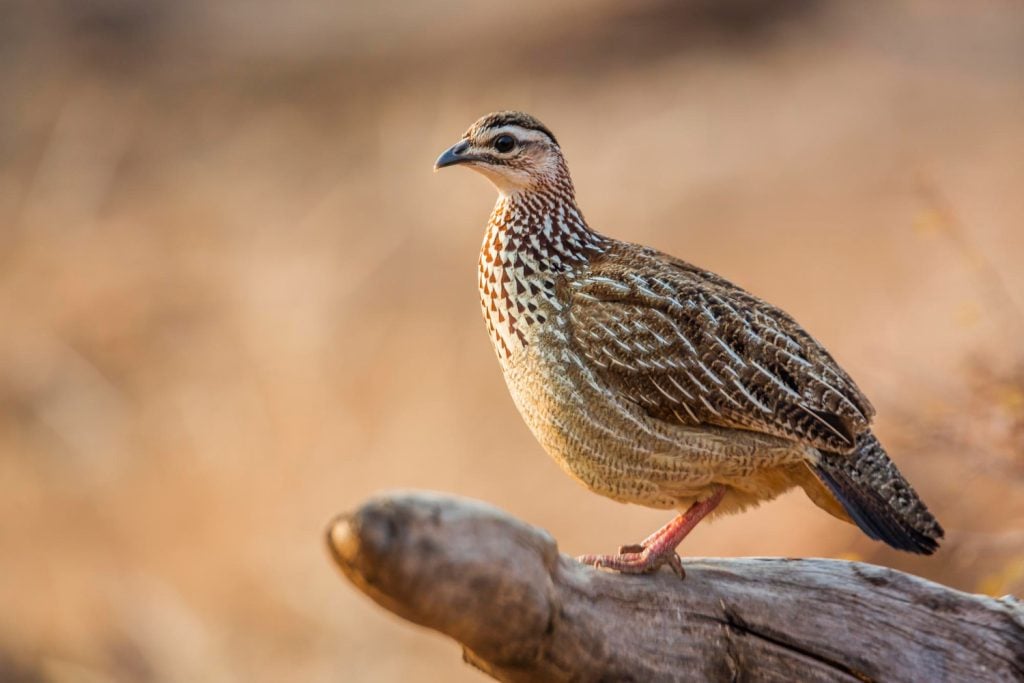
One of the most significant rural crime incidents this year occurred in August, when a dog killed close to 200 partridges in a field at Porchfield, with the surviving birds escaping from the field. The dog’s owner, a woman in her 50s, accepted responsibility for allowing the animal to be dangerously out of control.
Following consultation with all parties involved, it was agreed that the matter would be dealt with by way of a community resolution, with the dog subject to a Dog Behaviour Contract.

Police have also dealt with cases of badger persecution, including the prosecution of 18-year-old Max O’Neill, who encouraged his dogs to attack a badger on the Isle of Wight.
Officers have repeatedly warned that livestock worrying is a criminal offence and can result in dog owners facing prosecution. In the most serious circumstances, farmers may shoot a dog as a last resort to bring an ongoing attack to an end.
Alongside responding to offences, rural policing efforts have included the continued growth of the Mounted Rural Patrol volunteer scheme. Volunteer riders have been patrolling countryside locations, helping officers engage with farmers, landowners, dog walkers, equestrian groups and residents in areas that can otherwise be difficult to reach.
Police teams have also been conducting patrols in rural villages, remote beauty spots and coastal locations to deter criminality and anti-social behaviour.
Officers are working with the local authority, National Landscapes, farming networks and community groups to address wider countryside concerns, including fly-tipping, habitat damage and offences against wildlife.
Anyone who witnesses livestock worrying taking place is urged to call 999.