




































































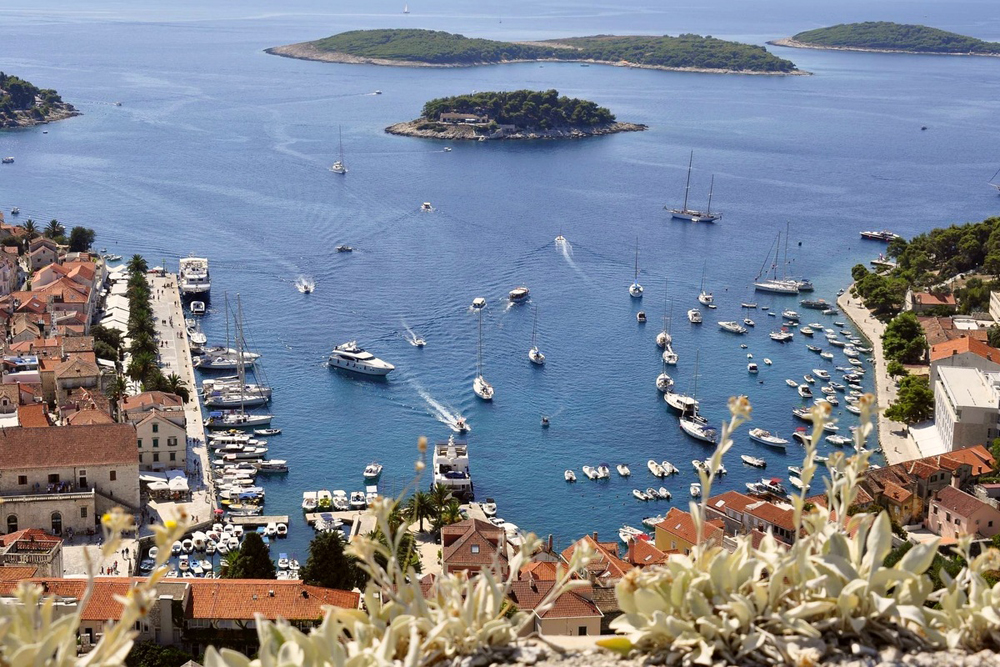

If Spain imposes a 100% property tax on foreign nationals who do not reside in the country, Croatia has a unique opportunity to position itself as an attractive alternative for foreign real estate investments. Here’s how Croatia can take advantage of this situation:
1. Promoting Croatia as a Favorable Investment Destination
Croatia can launch targeted marketing campaigns on international markets, particularly in countries with high interest in Mediterranean real estate, such as the UK, Germany, Scandinavia, and the US. The focus should highlight lower taxes, more straightforward property acquisition rules, and the security of investing in Croatia compared to Spain’s new measures.
2. Highlighting Tax Benefits
Unlike Spain’s restrictive measures, Croatia does not impose such burdensome taxes on foreign investors. Key advantages Croatia can emphasize include:


-
Simplified property purchase procedures for foreigners.
-
Opportunities for short-term and long-term rentals under favorable conditions.
3. Developing the Luxury Real Estate Market
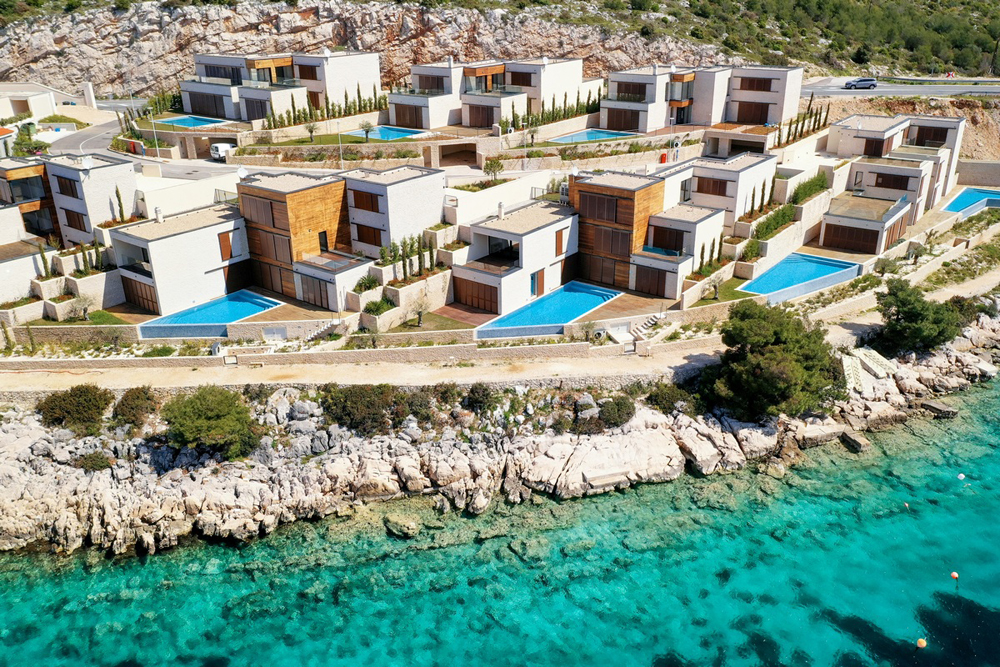
Since Spain may become less attractive to foreign investors, Croatia can further develop its luxury real estate sector. This includes villas with pools, apartments with sea views, and private island homes. Regions like Dalmatia, Istria, and Kvarner can be positioned as exclusive investment destinations offering premium infrastructure and a Mediterranean lifestyle at more competitive prices than Spanish hotspots like Costa Brava or Ibiza.

4. Targeting Specific Markets
Foreign nationals who might have considered Spain, such as British, American, Scandinavian, and German investors, can be redirected to Croatia. Campaigns should emphasize:
-
Easier property ownership processes.
-
Lower cost of living.
-
Secure investments with increasing property value along the Croatian coast.
5. Improving Infrastructure and Legal Framework
Croatia can make the property acquisition process even more appealing to foreigners by:
-
Digitalizing the property purchase process.
-
Establishing transparent and accessible tax regulations for foreigners.
-
Offering specialized agencies to support investors throughout the buying process.
Additionally, investing in infrastructure, such as marinas, roads, and airports, can increase the attractiveness of specific regions for luxury property buyers.
6. Showcasing Croatia’s Added Value
Beyond lower taxes, Croatia can highlight additional benefits:
-
Natural beauty, including national parks, islands, and pristine seas.
-
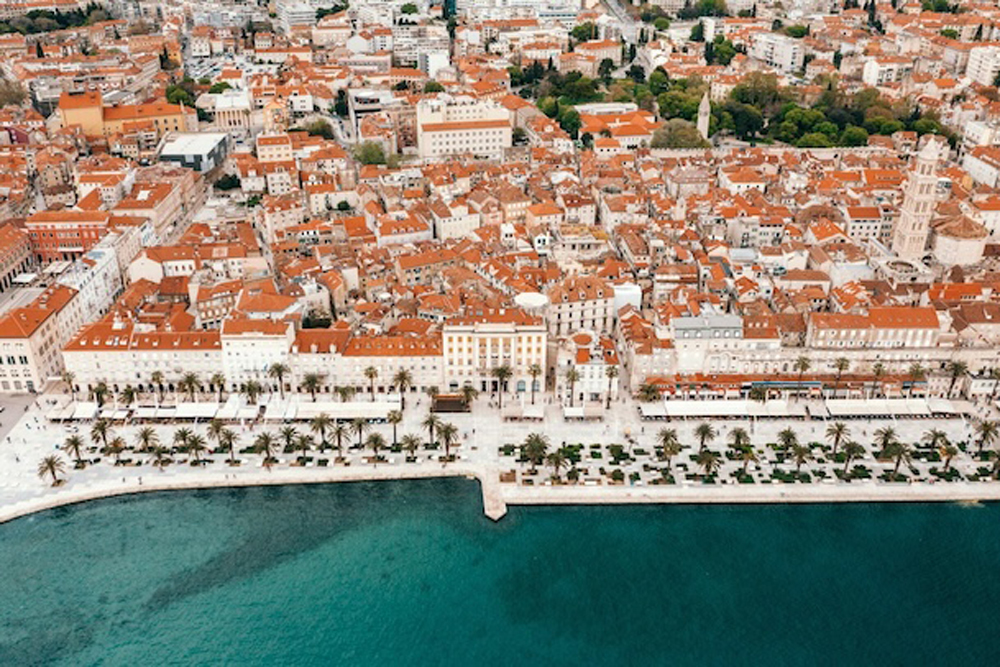
Rich historical and cultural heritage (e.g., Dubrovnik, Split, Pula).
-
Proximity to European capitals and excellent transportation links.
-
Authentic Mediterranean lifestyle at more affordable prices.
Conclusion:
As Spain’s new tax policies potentially deter foreign investors, Croatia emerges as a more attractive destination for real estate investment. With its combination of lower taxes, luxurious properties, and Mediterranean charm, the country offers a compelling alternative for those seeking to invest in the region. Explore Croatia’s real estate opportunities and secure your place in this rising Mediterranean hotspot.