



























































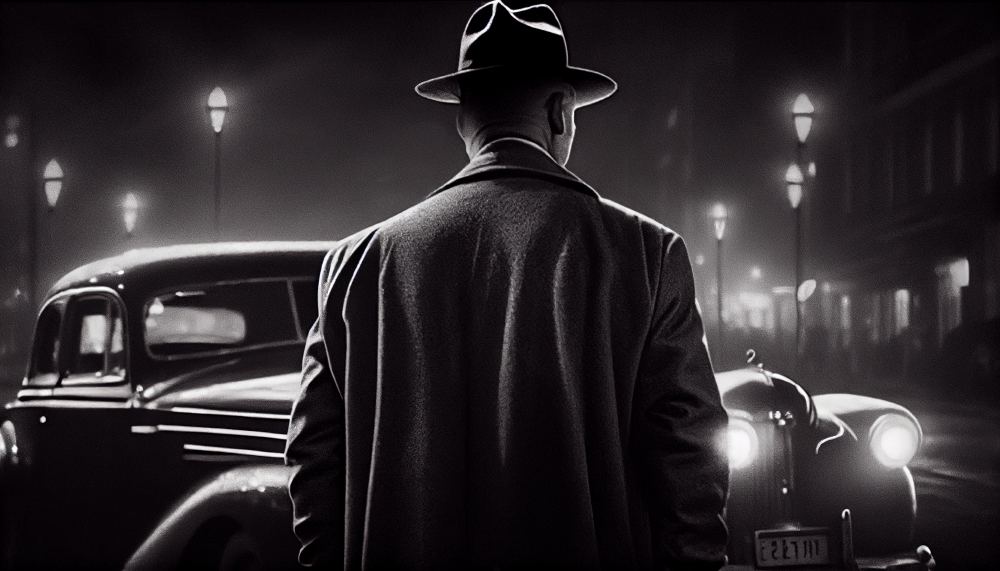

Within the realm of film, few movie collections stand as tall and evoke as much admiration as The Godfather Trilogy. Crafted by the visionary director, Francis Ford Coppola, these movies have redefined American film culture, delving deeply into the shadowy, complex universe of the Mafia. Adapted from Mario Puzo’s renowned novel which sold an estimated 21 million copies worldwide, they offer a profound journey into the lives of the Corleone clan and their ambitions for dominance, establishing a lasting cultural resonance still felt today.
The Godfather Trilogy, with its intricate storytelling and well-rounded character arcs, goes beyond the typical narratives of mob movies. It delves into themes of allegiance, authority, kinship, and moral decay, intertwined with societal and political nuances. Its enduring mark on contemporary film and pop culture is evident, from memorable lines to the remarkable acting. Every element of the trilogy holds a significant place in our shared cultural memory.
The Maestro’s Craft: Decoding ‘The Godfather’
1972 marked the debut of ‘The Godfather,’ a cinematic masterpiece that forever redefined the genre of mafia films, amassing a staggering $135 million in box office earnings. At the heart of this magnum opus is the tale of the Corleone clan, headed by the indomitable Vito Corleone, a role immortalized by Marlon Brando. His rendition of the aging Don, blending ferocity with charm, etched one of the most memorable figures in film lore.


What sets ‘The Godfather’ apart is its intricate depiction of the mafia’s inner workings. Instead of a continuous spree of violence, it portrays a multifaceted, rule-driven society with its unique moral compass and rituals. Viewers witness the Corleone family in moments of strife and serenity, attending weddings and christenings, showcasing the contrasting facets of their world. Here, familial bonds are paramount, even as they tread the perilous path of underworld crime.
Yet, the movie’s crowning achievement is its character arcs, notably Michael Corleone’s, brought to life by Al Pacino. Initially aiming for a life distanced from the family’s illicit dealings, Michael finds himself inexorably ensnared in its web. His shift from a decorated soldier and family’s distant son to its calculating head forms the emotional core of the story—a transformation that is subtly haunting and profoundly poignant.
By the film’s conclusion, viewers recognize that ‘The Godfather’ is more than a mere mafia tale. It delves into the essence of the American Dream, probes the dynamics of power and moral decay, and above all, stands as an evocative family saga. It brilliantly sets the tone for the narrative’s evolution in its subsequent chapters.
Whispers of Bygone Days, Glimpses of What’s to Come: The Mosaic of ‘The Godfather Part II’
Among the echelons of film continuations, ‘The Godfather Part II’ reigns supreme. Unveiled in 1974, this sequel did more than continue the Corleone family’s saga; it intricately wove parallel stories spanning different epochs, offering an incisive look at the roots of moral decay and the harrowing cost of dominion.
Coppola’s directorial finesse reaches its pinnacle in this cinematic journey. He masterfully parallels young Vito Corleone’s evolution from a destitute immigrant to a mob overlord in the dawn of the 20th century with the ethical decline of his progeny, Michael, in the mid-century. Robert De Niro’s captivating embodiment of a nascent Vito, alongside Al Pacino’s chilling metamorphosis into an unsparing patriarch, provides a riveting narrative, clouding the distinction between protagonists and antagonists in this murky tale.

Here, the motifs of power and moral compromise resonate most profoundly. Michael Corleone’s transformation into a figure starkly contrasting the guileless soldier from the inaugural film is both disturbing and captivating. The tale underscores the solitude inherent in unbridled authority and the extremes ventured to uphold it. Michael’s foreboding counsel, “Keep your allies near, yet your adversaries nearer,” aptly captures the distrustful, unforgiving realm he commands.
The Don’s Final Reverie: Peeling Back ‘The Godfather Part III’
The concluding chapter of the trilogy, ‘The Godfather Part III’, unveiled in 1990, offers a heartrending finale to the Corleone narrative, interweaving feelings of remorse, atonement, and destiny. While the film hasn’t escaped critiques, including those directed at Sofia Coppola’s casting and acting, its capacity to wrap up the Corleone chronicle, delivering closure to a monumental tale, is unequivocal.
Fast-tracking to the twilight of the 1970s, we see a matured and fatigued Michael Corleone striving to convert the family’s operations into legitimate enterprises while grappling with the weight of prior misdeeds. Al Pacino’s portrayal of a matured Don, shadowed by bygone transgressions and wrestling with his ethical lapses, stands as both potent and mournful. This depiction stands in stark contrast to the energetic and hopeful Michael we first encountered, underscoring the detrimental consequences of the path he embraced.
A recurring sentiment in the film is echoed in the phrase, “Every time I think I’m free, they reel me back in.” This sentiment accentuates the somber truth that breaking free from the whirlwind of criminality and aggression isn’t as simple as Michael envisioned. In his quest for atonement and liberty, the unyielding shadows of yesteryears persistently loom, offering a reflective insight into the challenges of full ethical cleansing.
The denouement of ‘The Godfather Part III’ intertwines character evolutions in a somber, bard-esque tragedy. The palpable air of lament and desolation around Michael Corleone serves as a stark reflection on the trilogy’s foundational concepts – the engulfing allure of authority, the erosion of convictions, and the perpetual tether to antecedents. In this evocative termination, Coppola’s grand creation’s breadth becomes discernible. Its enduring influence, sealed in this poignant climax, spurs contemplation about the toll of dominion and the delicate equilibrium of ethics amidst the layered realm of the mafia.
The Gambit of Power: The Silent Forces in the Godfather Series
Within the Godfather trilogy, the realm of organized crime transcends the mere display of raw dominance; it intricately navigates the delicate realms of chance, acumen, and calculated ventures. This theme is evident in the allusions to gambling that saturate the narrative, which metaphorically encapsulates the perilous environment the Corleone clan is enmeshed in. As the digital age dawns, this motif finds its modern echo in the proliferation of new online casinos and emergent slot platforms.
As represented within the saga, the dynamics of gambling have adapted with the changing times. While today’s online casino landscape encapsulates this spirit of chance and potential gain, the fundamental ethos remains unaltered. Much like the Corleones’ fate hinged on the unpredictable outcomes of dice or cards, today’s digital gamers experience similar thrills and stakes each time they embark on an online gaming endeavor.
Gambling motifs subtly thread through the Godfather’s tapestry. The inaugural film presents a turning point where the Corleones contemplate venturing into narcotics—essentially a high-stakes gamble. This critical decision highlights the inherent uncertainties synonymous with significant gambits. In ‘The Godfather Part II,’ we traverse the casinos of Cuba and Nevada, realms where luck and strategy converge, reflecting the Mafia’s internal power dynamics. These elements aren’t mere narrative fillers; they are pivotal symbols resonating the series’ foundational themes.
A notably evocative scene is the New Year’s celebration in Havana within ‘The Godfather Part II.’ Here, the essence of gambling coincides with the looming political unrest of the Cuban revolution, emblematic of the volatile fortunes characteristic of the Mafia’s world. This captures the Corleone family’s precarious investment in Cuba, which crumbles with the Batista regime’s fall.
Such gambling nuances accentuate the story by injecting elements of unpredictability, underscoring the notion that the mafia domain is perpetually teetering on the brink of unforeseen twists. The protagonists continually engage in figurative and literal gambits, their existence a pendulum between exhilarating victories and daunting setbacks.
In the Godfather’s universe, existence is a treacherous bet. Characters navigate it with daring panache, consistently reminded of the cruel axiom: in this perilous game, the omnipotent entity of organized crime invariably prevails. This world, with its stringent principles and relentless overseers, serves as a stark testament to the inherent dangers and repercussions of every wager placed.