







































































 The Government has launched England’s first-ever national Marine and Coastal Wildlife Code this week.
The code offers friendly advice and guidance to help people visit the coast responsibly.
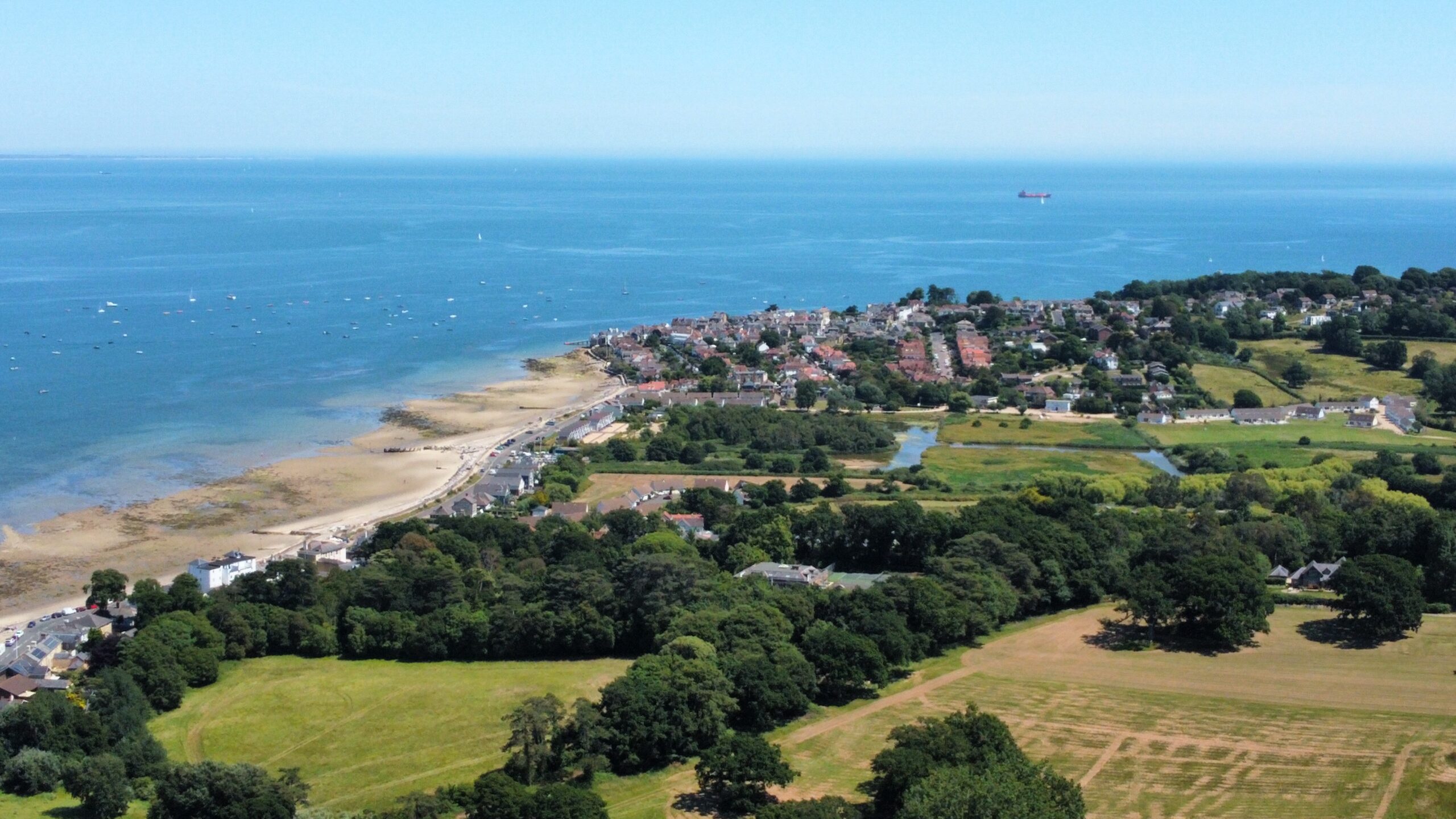
Home to around 95% of Europe’s grey seal population and around 25% of Europe’s breeding seabirds, the British coastline supports many iconic species and habitats. It is also a special place for people to visit, and ongoing work to establish the King Charles III England Coast Path – which when complete will be the longest waymarked coastal path in the world at over 2,700 miles – is helping more people than ever to access these environments.


However, as visitors to our coastlines rise, it is important to ensure that our precious marine wildlife remains as undisturbed as possible. Young seals, for example, can use up vital energy if startled by people getting too close or being too noisy, meaning young pups struggle to haul out of the water to rest and digest their food. In a bad year of disturbance, only 25% are likely to survive to the age of 18 months.
Developed in collaboration with organisations including Whale and Dolphin Conservation, the RSPB, Shark Trust and Cornwall Seal Group Research Trust, the Marine and Coastal Wildlife Code includes advice for those walking along the coast or taking part in water-based activities such as kayaking, paddleboarding or jet skiing.
It offers specific guidance around animals such as seabirds, seals, dolphins, sharks and turtles, including information on breeding seasons and how species might react to disturbance.
Marine Minister Lord Benyon said:
“Ensuring everyone has access to nature is a priority for this government – but is it absolutely vital that people enjoy nature responsibly.
Article continues below this advertisement “The Marine and Coastal Wildlife Code will enable everyone to make the most of our treasured outdoor places whilst protecting the very species and habitats that make our coastline so special.”

The government’s Environment Improvement Plan pledged everyone should live within 15 minutes’ walk of a green or blue space, and the Marine and Coastal Wildlife Code will help ensure they can do so in a way that does not harm the environment.
Visitors can disturb wildlife by: approaching animals to take photos; crowding or circling them; making noise; losing control of their dog; or damaging and changing habitats.
The Code also gives guidance on how to report injured, distressed or dead animals, including through the Cetacean Strandings Investigation Programme (CSIP). Working with CSIP, Defra have announced almost £700,000 to fund much-needed research to help protect harbour and grey seals in our waters.
Dr Carla Boreham, Director of Campaigns for Whale and Dolphin Conservation said:
“Whales and dolphins are at significant and increasing risk of harm from the impact of human disturbance. It’s important for people to understand and follow the new code so that marine mammals aren’t injured or distressed when paddleboards, boats or other vessels are around.”
The Marine and Coastal Wildlife Code builds on the existing Countryside Code, which provides helpful advice and guidance for an enjoyable and safe trip to the outdoors.












Foreign owned super-trawlers,often lurking off the coast for months on end and hoovering up thousands of tons of bass: i suppose will be factored into the equation ?
A lot of British people are also very distressed at the flotilla of small craft arriving daily, as their habitat and living standards are destroyed to make room for such unwanted arrivals.
Nothing about that mentioned either.
Sadly our government are too soft to take our waters back
No backbones in any of them
Its about time we all sent them white feathers.