









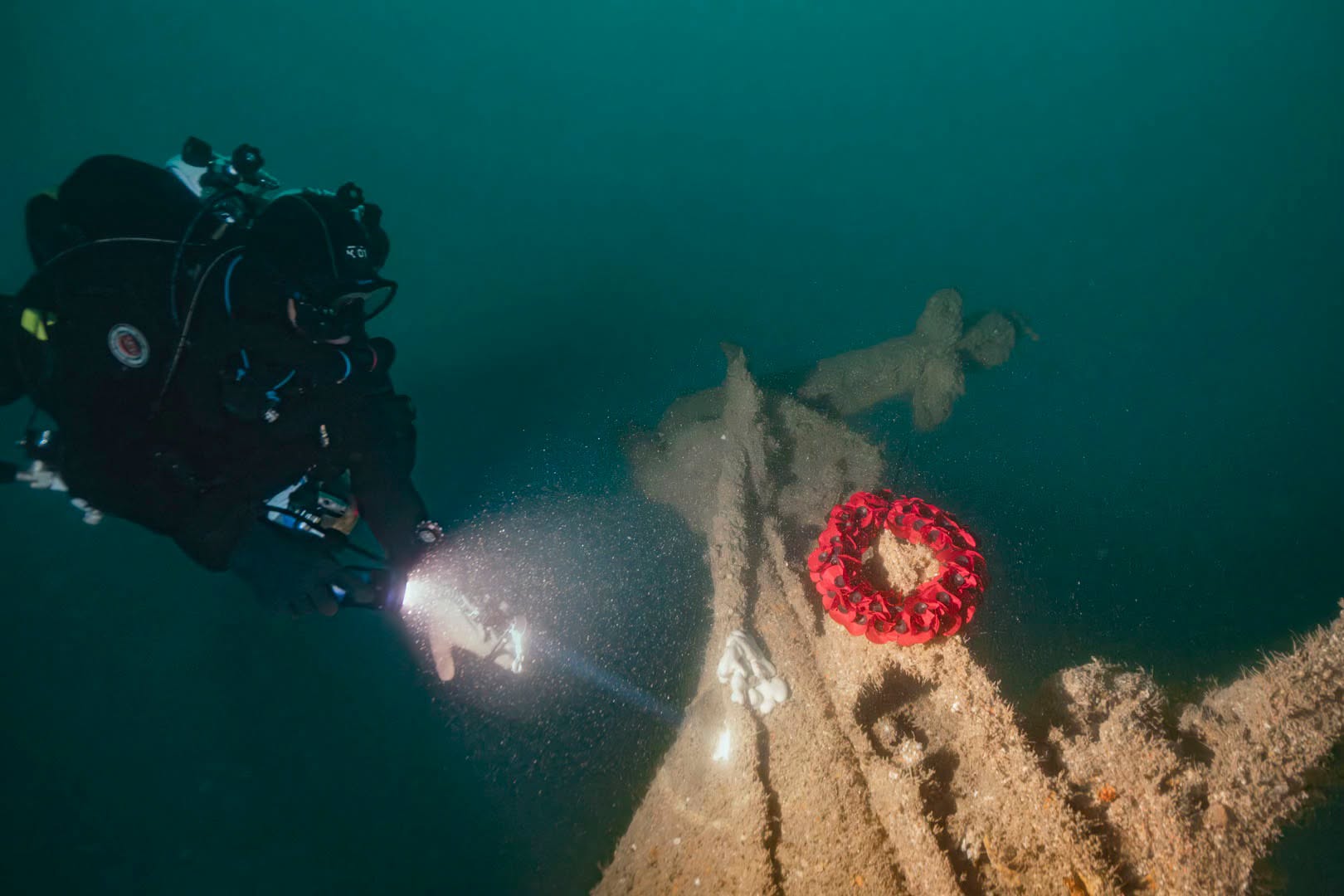




























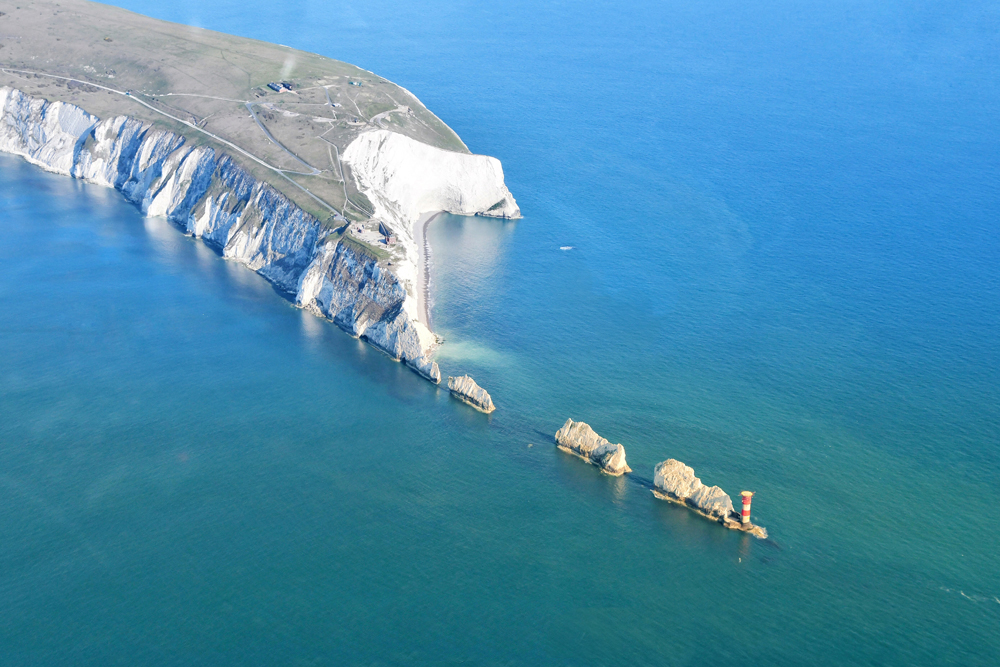

Changes to the licensing conditions for human burials at sea off the Isle of Wight have been announced, which include taking DNA from the bodies before they are laid to rest.
From Sunday (1st October), those who wish a sea burial off The Needles will have DNA extracted from their body prior to them being laid to rest in this designated site, the Marine Management Organisation (MMO) has confirmed.
This follows a number of cases over many years where body parts have been washed ashore on the Island. In 2016, Island Echo reported that a forearm washed up at Freshwater Bay.


In future, if body parts are found, they will be matched and identified, saving Senior Coroner Caroline Sumeray and the Police from having to obtain DNA from families of recent sea burials to identify the body and potentially mounting a suspicious death inquiry.
This was initiated by the Isle of Wight’s Coroner Caroline Sumeray, led by the UK Missing Persons Unit, and working with various other partners including Hampshire & Isle of Wight Constabulary, the Home Office Forensic Pathology Unit, the Home Office Missing Persons DNA Database, the Human Tissue Authority and the Ministry of Justice.
This initiative has been supported by Bob Seely MP. He has said:
“What this change means is that DNA taken prior to burial at sea will make it quicker to identify the body or body parts of someone washed up, meaning less heartbreak and worry for those families with missing relatives who may be asked on multiple occasions to provide DNA samples in the hope – or fear – that their relative may have been found.”
Valerie Nettles, who is the mother of missing Islander Damien Nettles, said she was thrilled to hear the news. She said:

“I am very pleased indeed to know there will now be a system in place to establish which remains are burials at sea from other remains frequently washed up along the coast. It will reassure families like ours with a loved one who is missing to know remains have not been overlooked.”
Bob adds:
“I have had the pleasure of speaking to Valerie on a number of occasions, and she told me that such a move would be welcome. It was her case above all that made me realise we needed to do more to help families with missing but much-loved members.
“I hope that in some small way this will help families such as the Nettles.”





Maybe if they used a chain and a proper anchor. Instead of rope and a brick.The problems of body parts washing ashore would be resolved.
Maybe insist that they are cremated first. Throwing bodies in the sea seems barbaric nowadays.
Totally agree.The island folk are medieval after all..