




















































The coming of the railway to Bembridge in 1882 transformed a sleepy rural village to a fashionable resort.
Until the late 19th century, Bembridge had been isolated from the rest of the Isle of Wight by Brading Haven – an area of water and mud flats that extended to the then bustling port of Brading.
Before the bridge over the Yar was built in 1338, Bembridge was practically cut off. In the Middle Ages, the area on which the village stood was known as ‘the Isle of Binbridge’.


Until the railway was finally finished in 1882, Bembridge was difficult to access by road, as the only route was through the marshes in Yaverland, which were often flooded in winter (they still flood to this day). A road trip to St Helens – 1 mile distance – would involve a several mile journey through Brading.
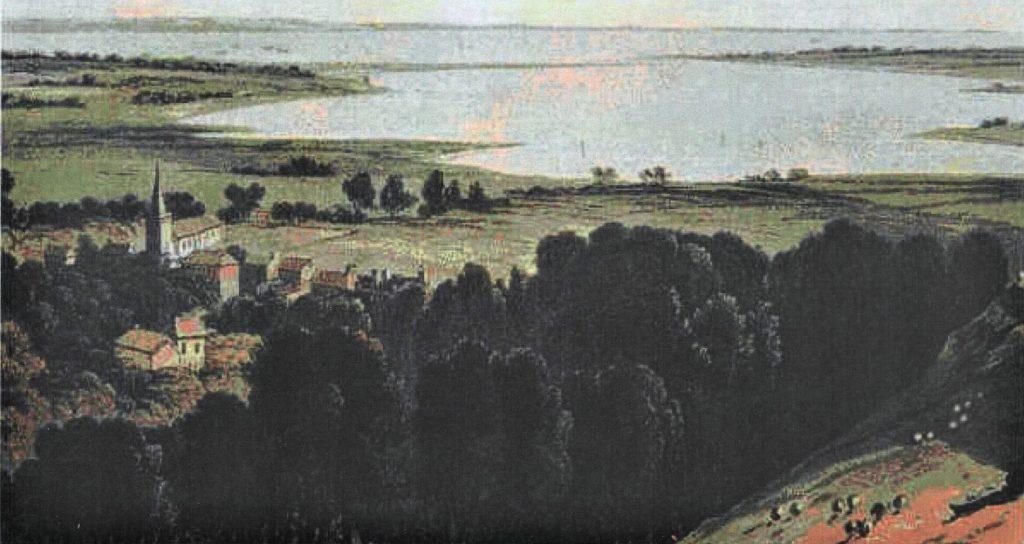
It was first proposed to drain Brading Haven – which separated Bembridge from the rest of the Island – in 1863. However, this met with the objection of the local gentry in the form of Sir John Oglander of Nunwell House, who feared it would spoil his view.
In 1864, the Bembridge Railway, Tramway and Pier Company was formed. This company proposed a railway between Brading and Bembridge with an embankment to St Helens to take the goods traffic from the wharfes located there. There was also a somewhat whimsical proposal for a tramway (then later a railway) to Whitecliff Bay.
The embankment would have had the effect of enclosing Brading Haven, reclaiming the water and mud flats for agricultural use. However, locals objected to the embankment, and the scheme was abandoned.
10 years later, a new scheme emerged. In 1874, the new Brading Harbour Improvement Railway (BHIR) put a bill before Parliament for a railway between Brading and Bembridge, including the embankment between the villages of St Helens and Bembridge. The cost was put at £40,000 (£3.8million in today’s values).

Sir John Oglander – who had bought the haven from the Earl of Yarborough to preserve the view from his house at Nunwell – died during the passage of the bill, and his widow Lady Oglander demanded £10,000 compensation.
In 1875, BHIR passed into the hands of famous Victorian fraudster Jabez Balfour, as previously featured on Island Echo.
The work proceeded briskly. Tons of chalk were taken from Bembridge to build the embankment. In 1877, the Bembridge station buildings – arguably the most impressive railway buildings on the Island- were built.
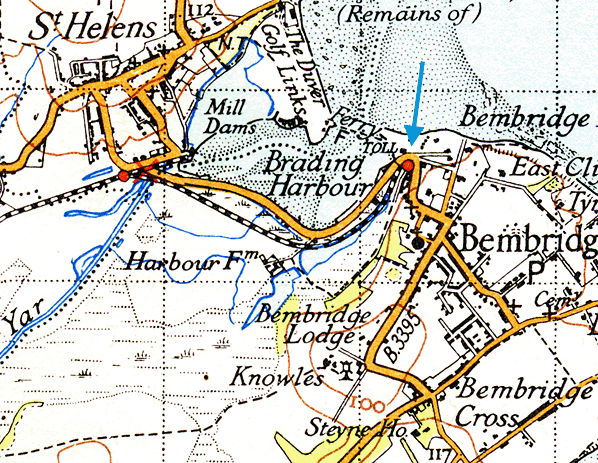
There was a major setback when the sea broke through the embankment. It took until February 1880 for the breach to be sealed at a cost of a further £10,000.
By June 1881, the expense of the construction of the railway to Bembridge had left the BHIR in the hands of the receivers. However, this did not prevent a party of schoolchildren from leaving the incomplete Bembridge Station for Ryde that month to celebrate the centenary of the Robert Raikes Sunday School movement. As the platforms had yet to be completed, scaffolding was used to allow passengers to board the train.
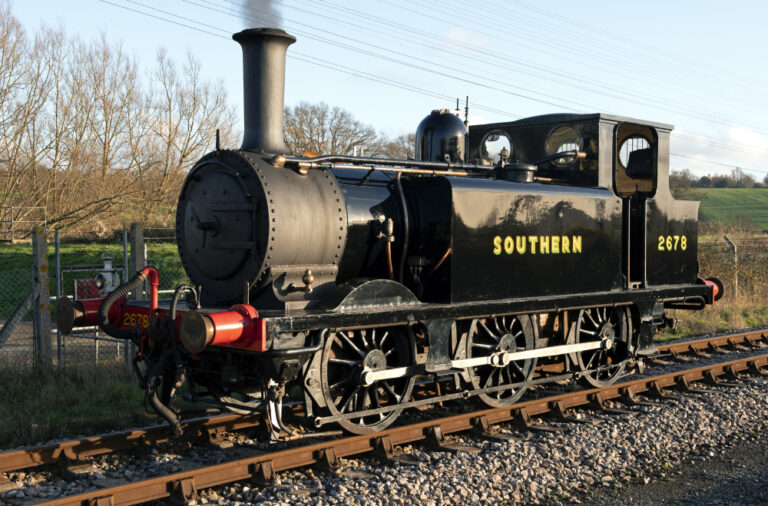
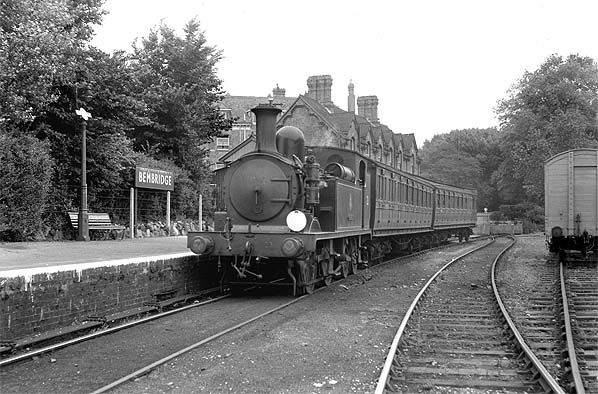
Bembridge station finally opened for passenger traffic on 27th May 1882, the first train carrying 300 villagers to Ryde. The line was operated by the Isle of Wight Railway, although the 2 locomotives used on the line – St Helens and Bembridge – were owned by BHIR.
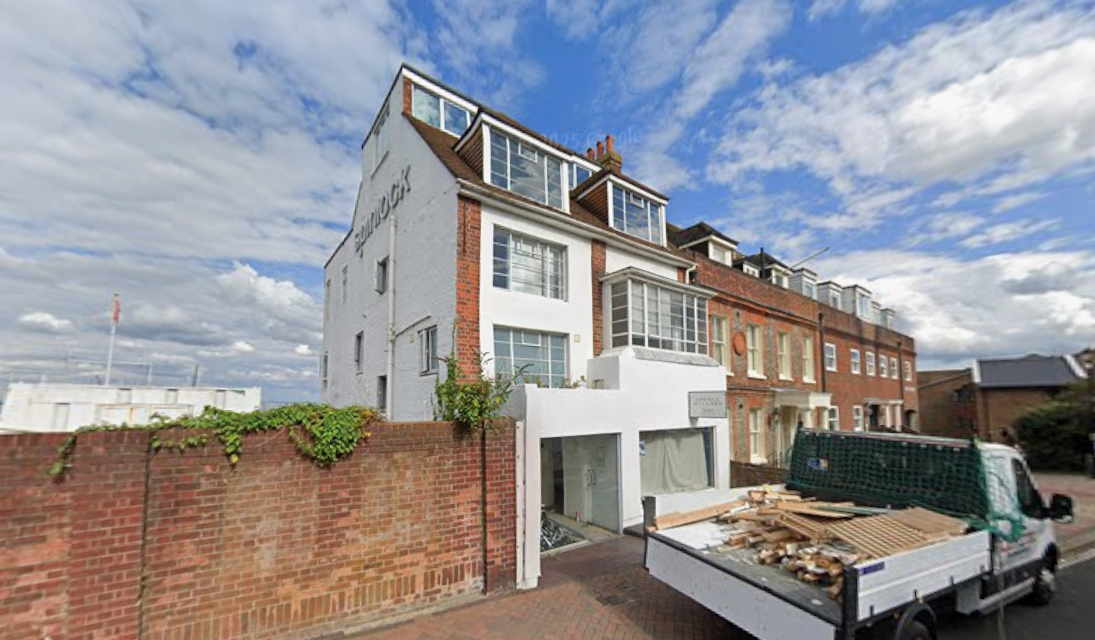
The lavish Royal Spithead Hotel over the road from Bembridge Railway station opened on 15th July 1882, built at a cost of £10,000. This was a further Jabez Balfour project.
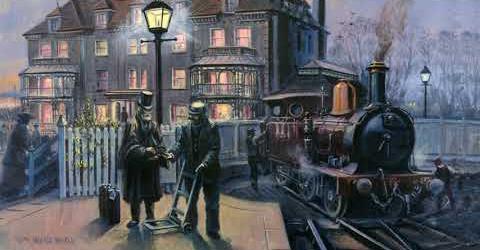
Balfour himself travelled down from London for the opening. A special train hauled by the engine ‘Bembridge’ and decorated with flowers and bunting travelled between Bembridge and Brading to mark the occasion, with a military band present and the whole embankment lit from end to end with fairy lights.
In 1892, Jabez Balfour’s house of cards collapsed. The fraudster fled to Argentina before being captured and returned to England, ultimately finding himself in a Parkhurst prison cell.
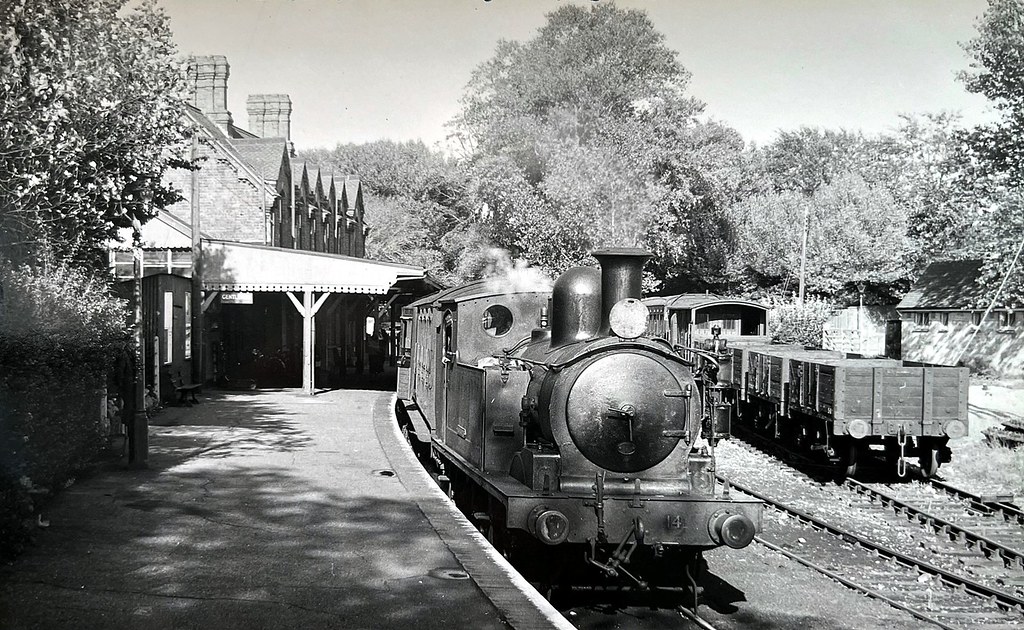
The BHIR was dissolved, changing its name to the Brading Harbour Railway (BHR). In 1898, the line from Brading to Bembridge was bought by the Isle of Wight Railway Company for £16,500.
Bembridge Station continued in operation until the middle of the 20th century, although motor transport brought about considerable decline in passenger numbers from the 1930s.
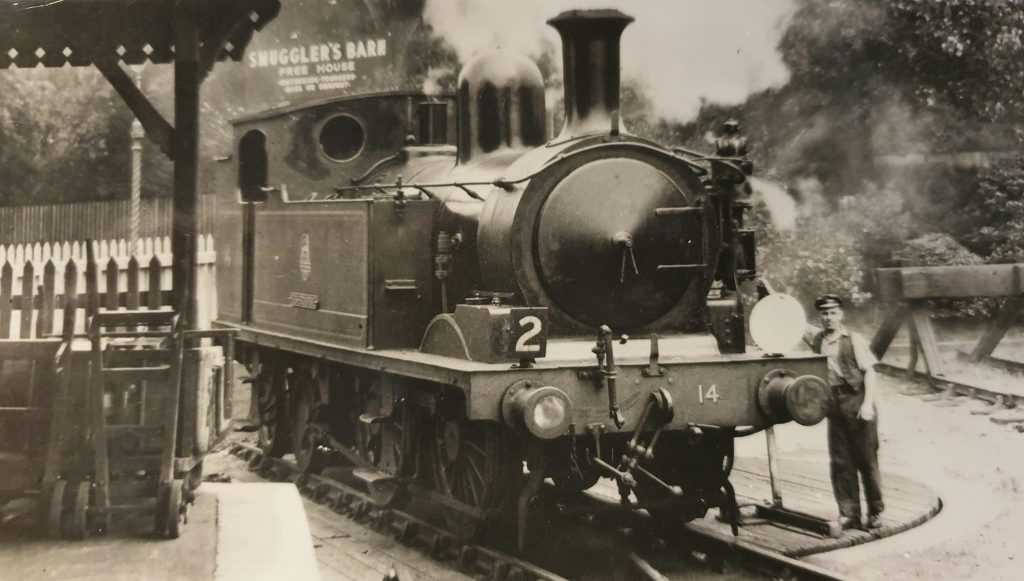
The line to Bembridge finally closed on 20th September 1953.
The Portsmouth Evening News reported at the time:
“Cheers from crowded stations, bugle calls, and explosions from fog signals greeted the last train to run between Bembridge, St Helens and Brading.
“Over 300 passengers made the return journey between Bembridge and Brading.
“Among the passengers were 2 dismal male figures dressed as elderly Victorians; 1 carrying a hurricane lamp, who said they represented the railway-travelling public.”
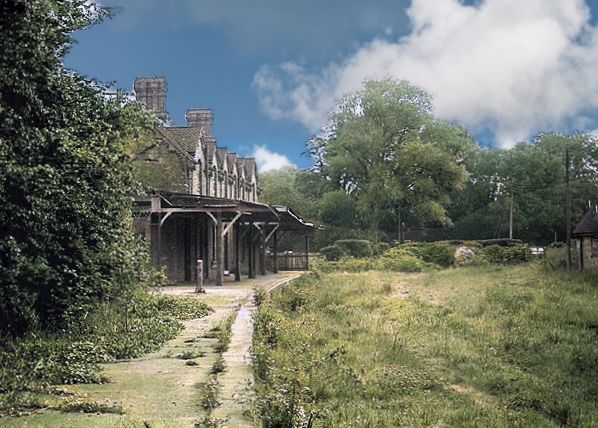
Sadly, nothing now remains of the former station as it has been replaced by flats. The Royal Spithead Hotel opposite was also demolished in 1989.
The line to Bembridge closed over 70 years ago. Do any Island Echo readers remember travelling on it..?











Fascinating! When I first came here on holiday in the late 50’s ( In a tin roofed bugalow at the bottom of Daish’s Lane belonging to the Coombes) I was told that the station ‘down the road’ was Bembridge Station.
This article clearly shows I was given wrong information- it being St Helens station.
Thx for this very interesting article !
It would be great if the Railways could return to the
Island.
Must have been a wonderful time to be able to travel
round the island by rail.