














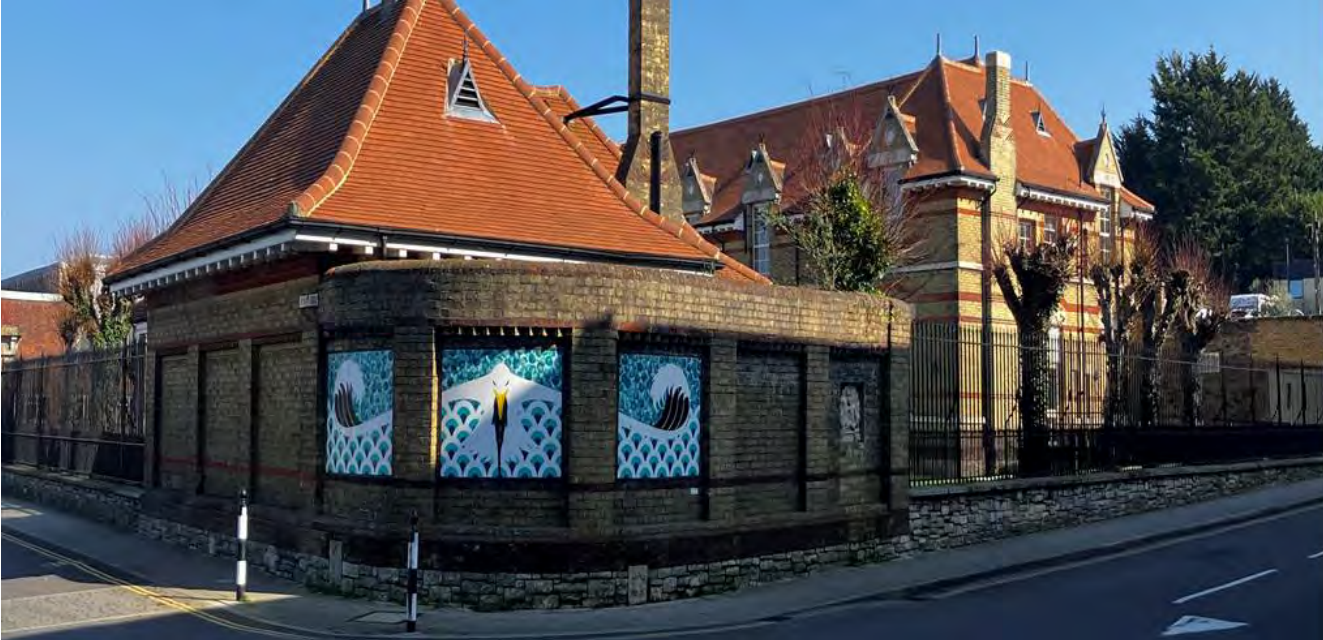



















 A strategy to tackle surplus places in Island schools, due to falling birth rates and therefore a steep decline in the number of children on roll, is being put forward to councillors – which is seen as the first step towards potential closures of Isle of Wight primary schools. The draft School Place Planning Strategy sets out why the authority must tackle the high number of surplus places within schools to ensure they are adequately funded and, most crucially, Isle of Wight children and young people receive the world-class education they deserve. The strategy also supports, and indeed underpins, the new Draft Education Strategy, the council’s ambitious blueprint for school improvement launched earlier this week with the clear goal of turning around an underperforming school system to secure a brighter future for Isle of Wight youngsters. The Isle of Wight Council hasn’t yet revealed a list of schools at risk of closure, but it has suggested that a review is to be undertaken in respect of St Helens Primary and Nettlestone Primary to establish the future viability of the schools. A number of other schools face the removal of 2 forms of entry – a total of 60 places – with others facing the removal of 3 forms of entry (90 places). A list of schools potentially facing the axe, amendments or even expansion should be known by early September when a statutory consultation process looks set to begin, should the Isle of Wight Council’s Cabinet agree to push ahead. When determining which schools could close, the Council says that those with educational concerns, financial concerns, low levels of parental preference and concerns about the condition/suitability of the school estate are more likely to be proposed for a reduction in pupil numbers, or closure. It’s predicted that by 2027, just 920 children will start Reception class in local primary schools. That is a significant drop of 34% from 1,404 children in 2018. It’s feared there will be a staggering 3,056 empty seats by September 2027 – just 3 years’ time. This would throw 22 primary schools into budget deficits, as they lose more than £4,500 for every empty seat. Naomi Carter, the council’s service director for education, inclusion and access, has said:
“Addressing these issues is not just about numbers, it’s about ensuring every child on the Isle of Wight receives the best possible education. We are committed to making these necessary changes for the future of our children.”
Councillor Jonathan Bacon, Cabinet member for children’s services, adds:


“With a steep decline in births a clear school place planning strategy is required. “This will see a reduction in the number of school places across the Island to respond to falling birth rate, but this will enable our remaining schools to be in the best possible position to improve outcomes for our children and young people by giving our school system and those within it the security that is desperately needed. “It is true that there has been a delay in bringing this forward but this has been due to the need to get a fuller understanding of how education standards on the Island can be improved and how place planning fits within this aim. “We also now have the benefit of a wholly Island-based education team at County Hall who have been able to focus exclusively on dealing with these issues in a way that best helps Island children and we also have the benefit of the confidence that this change is giving to all involved in this process.”
More information is available on the council’s ‘Island education plans and policies‘ page while the School Place Planning Cabinet report can also be viewed online at https://iow.moderngov.co.uk/ieListDocuments.aspx?CId=145&MId=2072&Ver=4.