



























































Google’s drive for new tech has set another high bar in the development of an upcoming 20Gbps service. Beginning a trial rollout in several cities across the US, this 20 Gig system developed by GFiber Labs is promising new standards of residential speeds. The reach of this speed will undoubtedly eventually cross to other nations and the Isle of Wight, but how much is it needed? Taking a look at what 20Gbps fibre can accomplish, and the potential currently available in Wight’s solutions, we want to explore what 20Gbps fibre could add to our online experience. Will this tech be worth the upgrade for residents of the Island, or is it a case of overkill beyond our needs?
What Does 20 Gbps Mean Exactly?
Gbps means gigabits per second, which is the maximum amount of data that can be transferred in one second. Overall, 20 Gbps translates to 2.5 gigabytes per second, absurdly faster than what was imaginable even a few short decades ago. For real-world circumstances from how this compares to the internet many of us grew up with, we can use a download calculator to help. If we wanted to download CDs worth of data (about 700 megabytes) on an old 56k modem, this would have taken about 29 hours. On a 20 Mbps connection, we could download 3.5 CDs every second. Yes, that is fast. 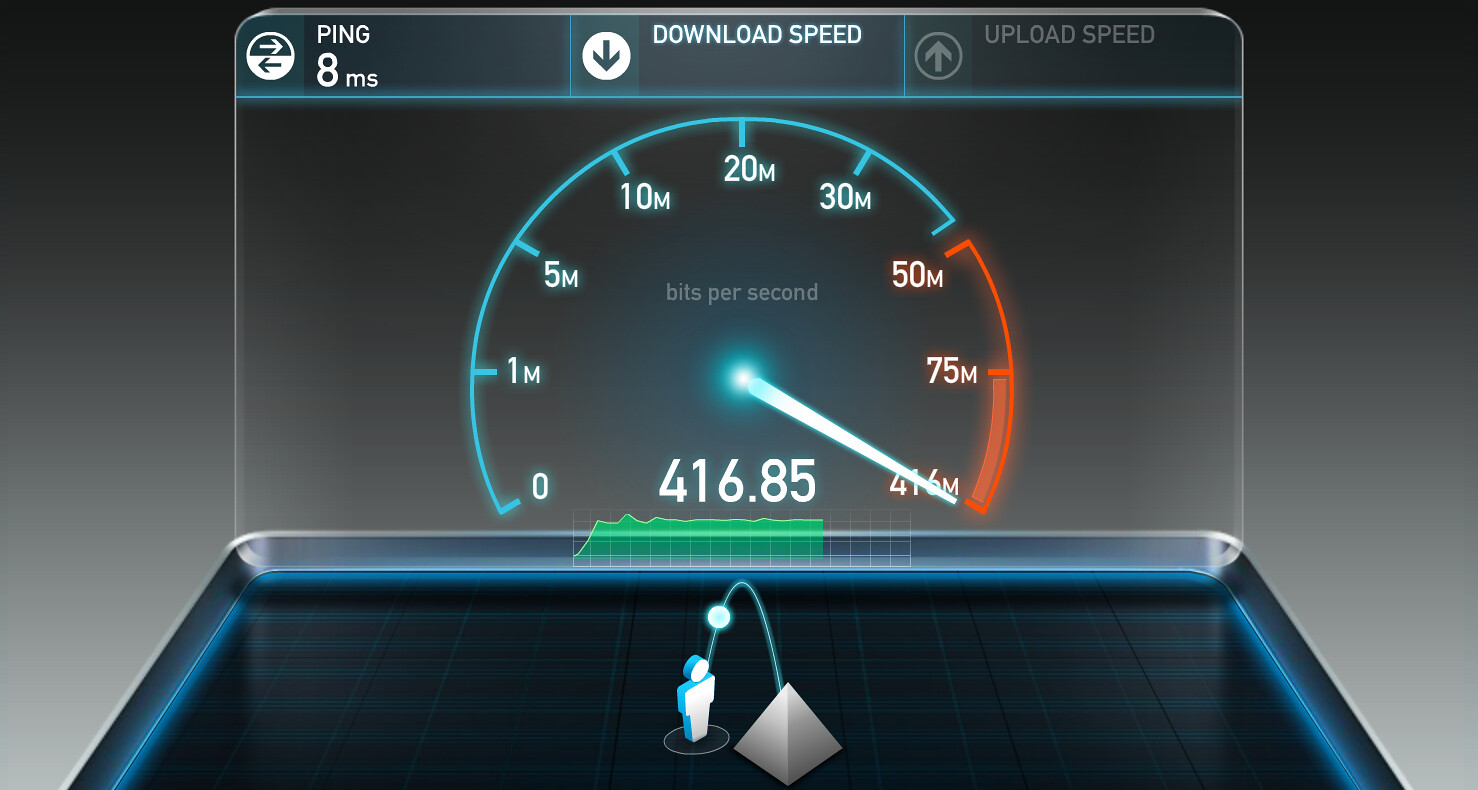
The Isle of Wight’s Speeds in Action
The Isle of Wight currently has one open for the high-tier gigabit speed plans in WightFibre. While listed speeds are closer to 900 Mbps, 100 Mbps short of a gigabit, this is still extremely fast. Looking at our CD example, a full download of this 700 megabytes would take around six seconds. What this means is that, if users on the Island have the fastest plan possible, the chances of them running out of bandwidth are extremely low. Video streaming, for example, is the most demanding use that most of us will experience. Whether downloading the apps, browsing, or watching the highest quality video on YouTube or Netflix at 4K resolution at 60 frames per second, bandwidth cost would max out around 60 Mbps. This means each home could handle around 15 people using the connection this way before hitting bandwidth limits. For more casual use, general browsing and data use is better illustrated by systems like online casino games. When you play roulette online, for example, titles like 20p Roulette and Auto Roulette will involve bandwidth costs under the 5 Mbps mark. Whether playing on mobile or desktop systems, this means around 180 users could be connected to a fast Isle of Wight connection at one time. Impressive, yes, but a likely scenario? Probably not. 
Will Upgrades be Worth It?
If very few users on the Island will take advantage of even a single gigabit of speed, then would 20 ever be worth the change? In almost all cases, the answer is no. While bandwidth demands do increase over time, we’ve reached a plateau now in video and audio where major diminishing returns have long since shown further steps forward to be unnecessary. While it is likely that you’ll be using double or even triple your bandwidth a decade from now, this will still be far under the requirements of upgrades. In other words, unless you run a hotel or share a connection between many buildings, The Isle of Wight’s current system is already well ahead of the curve. It’s nice to not be playing catchup, just remember to not take it for granted.