

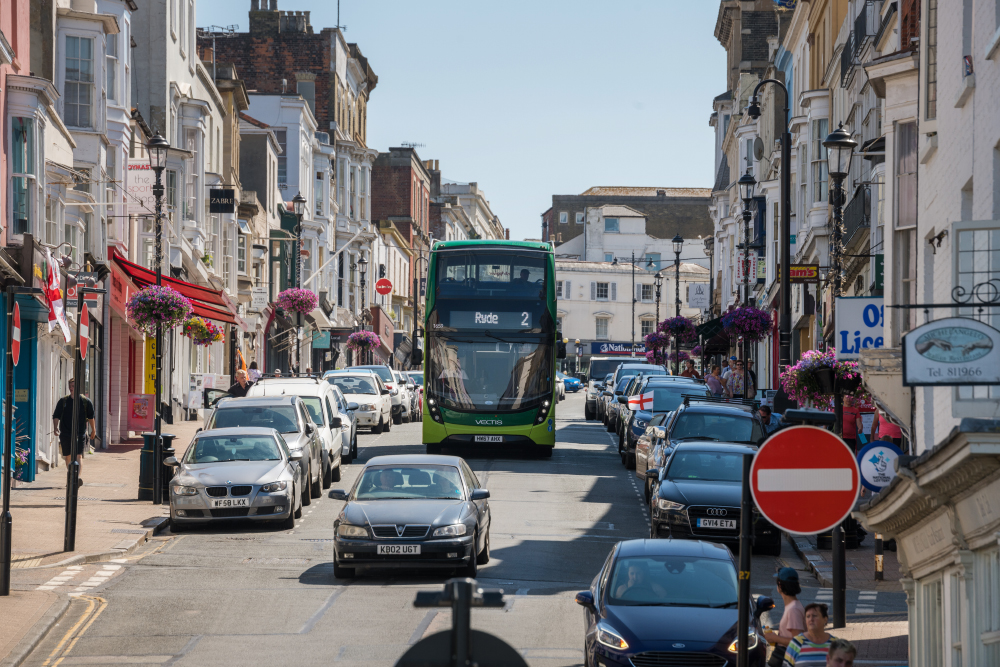










































The Isle of Wight Council could spend an additional £340,000 over 5 years under plans to secure the future of Island-wide tourism marketing.
Councillors are being recommended to back Wight BID 3, the latest 5-year funding arrangement for Visit Isle of Wight, when the Economy, Regeneration, Transport and Infrastructure Committee meets on 6th October.
The new business plan shows that, if approved, the BID would have projected income and expenditure of more than £6.1million between 2026 and 2031, with around £5.6million expected to come from compulsory levies paid by eligible businesses.

A Business Improvement District, or BID, is a collective funding arrangement in which qualifying businesses vote on whether to pay a levy into a shared pot. If approved, eligible businesses are legally required to pay for the duration of the BID, with the money used to deliver the projects set out in its Business Plan.
On the Isle of Wight, the BID is managed by not-for-profit Visit Isle of Wight Ltd, while the Council collects the levy on its behalf.
The Isle of Wight Council is itself a levy payer because it has 40 qualifying properties. Officers estimate its annual liability under BID 3 would rise to around £103,000, some £68,000 more than under the current arrangement.
Across the 5-year term, that represents around £340,000 in additional Council expenditure, subject to rateable values and indexation.
If the £103,000 figure remained broadly unchanged, the Council’s total contribution would amount to around £515,000 over 5 years. That money would come from the Council’s budget, meaning there is a direct taxpayer interest in the decision.
The Council report acknowledges the extra financial pressure and says members must balance the anticipated economic benefits against the additional cost.
Under BID 3, the current largely flat 1.75% levy would be replaced by a stepped system. Transport operators, including ferries, and car parks would pay 6% of rateable value, attractions 5%, accommodation and marinas 2.25%, entertainment and leisure 2%, while food and drink businesses would remain at 1.75%.
The existing £150 minimum payment would also be removed, while businesses with a rateable value below £3,000 would be exempt. Visit Isle of Wight says this will better protect smaller businesses while ensuring sectors contribute according to their size and perceived benefit from tourism promotion.
Visit Isle of Wight’s Business Plan warns there is “no plan B” if funding is not secured, saying destination marketing, trade activity, industry representation, the consumer website, partnerships and research would cease. Bid Levy Document
Council officers similarly warn that failure could reduce the Island’s ability to compete with other destinations, potentially affecting visitor numbers, jobs and economic growth.
Council officers are recommending that the authority vote yes across all 40 of its qualifying properties.
If successful, BID 3 will begin on 1st November and run until 2031.