






















































Across the Isle of Wight and the UK’s coastal communities, financial planning has followed a predictable, conservative path. For many, wealth preservation meant a simple Friday walk down the local street to deposit cash into a trusted building society or traditional savings account. For islanders, the security of guaranteed capital returns merged with their love for self-reliance and community-rooted institutions.
Today, however, a quiet revolution is changing the financial landscape. The traditional savings account is losing its luster, and a growing number of islanders are embracing modern investment strategies. This is driven by systemic banking changes, structural geographical costs, and modern digital access.
The Island Economic Landscape
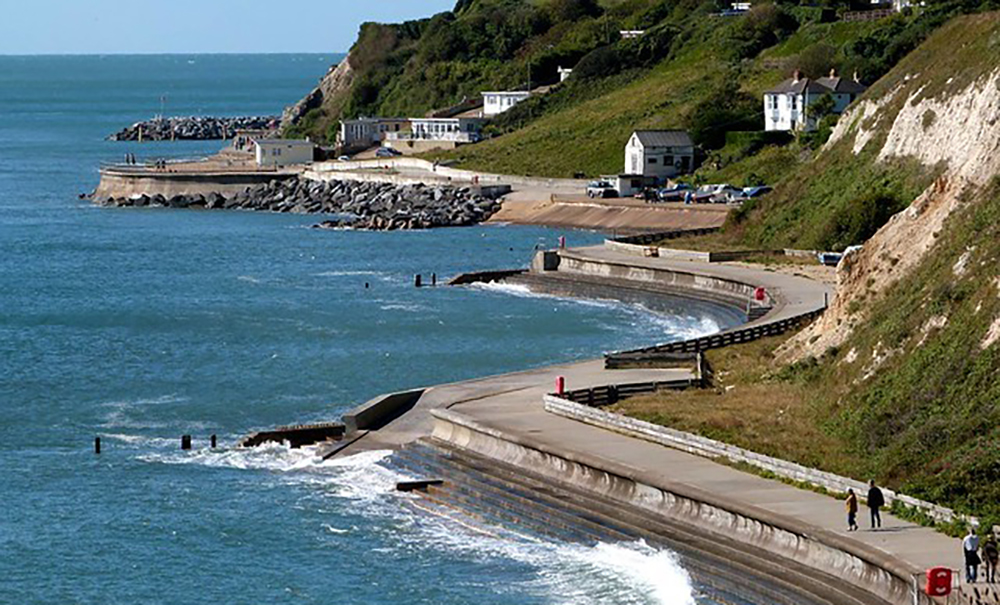
The UK’s economic resilience amid rising energy and operational costs has helped the coastal regions to cope with distinct localized pressures. With the Isle of Wight now operating under a newly unified regional vision, the region is now open to modern economic expansion. The coastal economy is still built around tourism, and its Solent Freeport alliance aims to attract investment in advanced marine manufacturing, renewable energy, etc.


The island struggles with structural demographic challenges, with a disproportionately older population (over 26% aged 65+). The working-age demographic is also declining, squeezing labor markets. These changes have increased economic pressure in the island and coastal regions in the last few years.
Why Savings Accounts Fail Islanders
The growing trend of islanders moving from cash savings to market-based investments is a calculated response to a changing economic environment. Island residents face a distinct economic reality that makes holding large sums of idle cash a disadvantage. For instance, the disproportionate inflation tax and the evaporation of physical bank branches.
Local Banks Closure
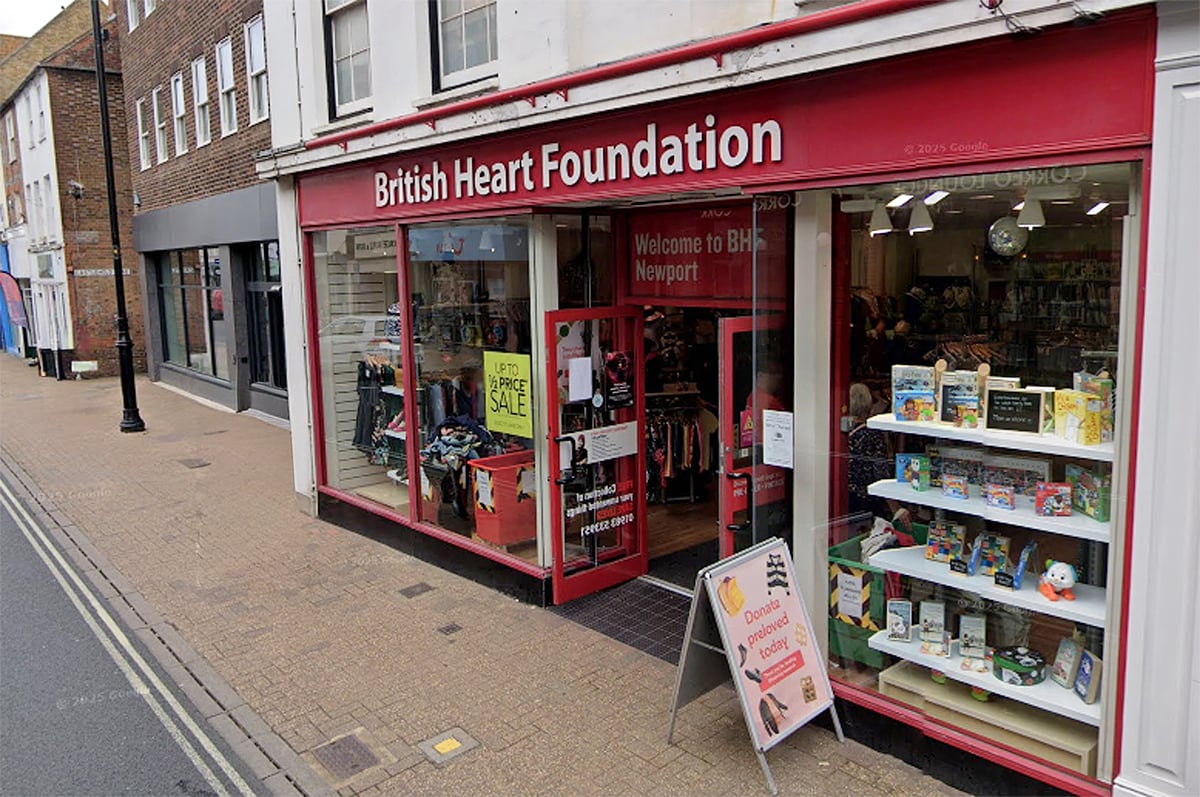
Local banks in coastal regions are vanishing. As major banking groups continue to shrink their regional footprints, residents are forced to transition to a digital-first finance model. Banks like Lloyds branch in Ryde on Union Street are scheduled for closure, following the reduction of their mobile banking vans serving rural towns like Sandown. Traditional banks regulated by the Financial Conduct Authority (FCA) have filled some older gaps, but new ones are emerging that require modern solutions.
For decades, NS&I Premium Bonds were the favourite alternative savings vehicle for risk-averse UK citizens. Now, however, recent data shows that Premium Bonds could cost savers thousands. When compared to low-risk, structured market investments, it is clear why the capital is flowing elsewhere. Considering that traditional cash ISAs or standard savings rates fail to compete with market-based yields, moving to modern investments is the next logical option for the residents.
This is a win-win situation for residents, as they can access modern markets with better conditions from the comfort of their smartphones and laptops.

Inflation and Low Interest Rates

Low interest rates and stubborn inflation are eroding the purchasing power of cash in standard savings accounts. Inflation is driving up the cost of living on the Isle of Wight (ferry costs and imported goods). While the Office for National Statistics reported that headline UK inflation eased to 2.8%, this relief is a temporary lull before energy costs will push inflation back toward 4%.
Islanders are subject to what locals call an “island tax,” a structural premium added to everyday goods, fuel, and building materials due to ferry transport costs and limited local supply chains. That’s why when inflation spikes, the real-world cost of living on the island stays higher than the UK mainland average. Yet standard cash account yields remain unchanged, creating a significant gap between investment returns and expenditures.
Modern Investment Strategies Gaining Traction
As traditional accounts fall out of favour, Isle of Wight residents are deploying their capital across a range of modern financial instruments. Through TradingView and other platforms, they can access stocks and robo-advisors and manage diversified portfolios.
Stock and shares ISAs
A Stocks & Shares ISA is the most immediate option for residents who transition from a Cash ISA. This tax-efficient account allows individuals to shield up to £20,000 per fiscal year, while accessing historically higher returns than savings. Instead of a fixed, sub-inflation return from cash, islanders are using modern ISAs to invest in globally diversified index funds like the FTSE All-World or S&P 500.
This strategy allows savers to tie their long-term wealth to global corporate productivity rather than to inflation-driven interest rates in their local countries. This option appeals more to islanders than traditional savings.
Multi-asset portfolio diversification
Islanders remain cautious about market risk, so diversification is increasingly popular among them. Islanders have lived with the impact of local economic shocks on domestic businesses. These could be anything from changes in domestic tourism to disruptions to ferry operations. The answer? Geographic insulation.
The focus is now on building portfolios that blend global equities, government gilts, and alternative infrastructure. In that way, islanders can ensure that their portfolios don’t correlate with the immediate economic climate of the UK. They can ride out global market volatility with less impact.
Digital wealth platforms (robo-advisors)

Thanks to digital platforms like TradingView and FCA-regulated brokers such as OANDA, investors no longer need to travel to specialized regional hubs to manage their portfolios. Isle of Wight residents can instantly access low-cost, balanced portfolios that fit their risk tolerance. They can buy fractional shares or trade forex CFDs, which limit exposure to the underlying currency.
These digital platforms offer advanced features, such as robo-advisors and automated investment and portfolio management tools.
A New Financial Reality for Islanders
Islanders are no longer content with traditional deposit accounts and are now exploring modern investment options. Through FCA-regulated platforms, islanders can trade global markets and potentially achieve returns higher than those offered by the deposit system. Embracing a managed market strategy means accepting short-term market fluctuations in exchange for long-term protection against escalating living costs.