































































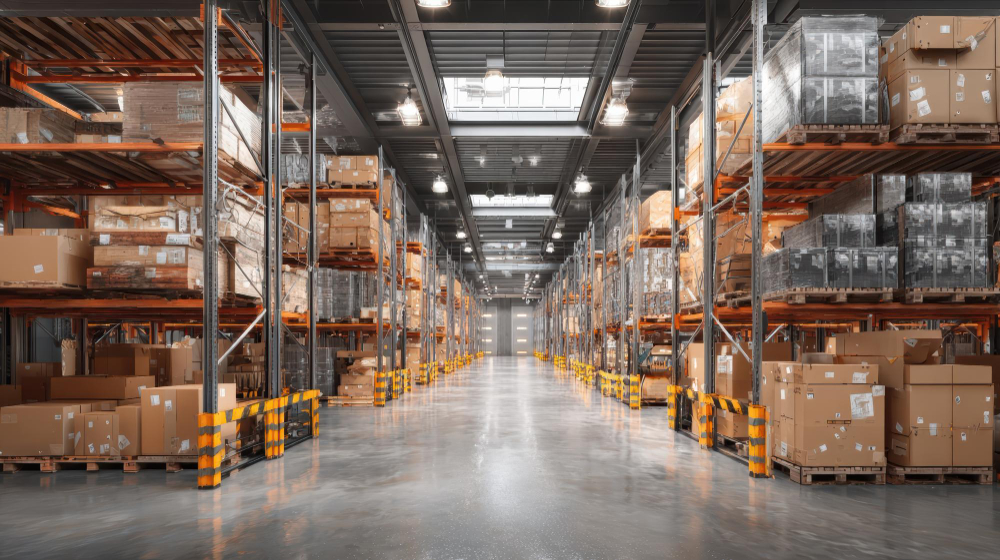

Peak seasons can expose every weakness in a warehouse. Orders rise, delivery windows tighten, stock moves faster, and teams suddenly have less room to work safely. A space that functions well during normal months may become a bottleneck when pallets start blocking aisles, docks become congested, and picking routes take longer than expected. When this happens, the issue is rarely only “not enough space”. It is often a sign that the warehouse no longer matches the rhythm, scale, or growth plans of the business — so is the problem temporary pressure, or a signal that the logistics setup needs to change?
Identify where the pressure starts
To select the correct additional space, it is very important to first determine the main failure point of your current warehouse space during peak demand. Is it a lack of storage, or slow filling, or restricted access at the dock, or is it simply a poor racking layout that does not allow for additional capacity in the current premises? Alternatively, the current warehouse may have sufficient square meters but lack the necessary flow to efficiently use the available space. For others, the building itself is too restrictive to handle natural peaks in business volume.
This is where a well-planned warehouse leasing solution can help businesses turn seasonal pressure into a more manageable process, offering a chance to improve layout, access, scalability, and overall logistics efficiency.


Improve the layout before adding more space
Not every seasonal challenge requires immediate relocation. Sometimes, better zoning, clearer picking routes, temporary storage rules, and improved inventory visibility can reduce pressure. High-turnover goods should be placed closer to dispatch areas, while slower-moving stock can be moved further back or stored off-site.
Getting around in the building efficiently is key to making changes work. Long trails of trucks parked up outside, or a blurring of the lines between the goods-in and goods-out functions to try and make better use of the available space and reorganize regularly, all will in the end only serve to delay whatever internal reorganization of functions is being considered.
Consider flexible warehouse capacity
For growing companies, peak-season planning should not rely on emergency solutions. A modern logistics park can offer scalable space, improved dock configuration, stronger technical specifications, and easier expansion on the same site. This is especially important for e-commerce, retail, FMCG, and distribution businesses, where demand can rise sharply in specific months.
Flexible leasing also gives companies more control. Instead of overcommitting to oversized premises all year, businesses can look for warehouse solutions that support both current needs and future growth.
Plan peak seasons before they arrive
The problems of seasonal warehouses need to be dealt with long before the greatest pressure on a company is put on them, several months beforehand. This leaves sufficient time to analyze the flow of goods, to negotiate a suitable space with the landlords or owners, to organize the warehouse activities in line with the customers’ needs, and to prepare his employees for the new challenges in time.

A warehouse is not just for holding stock. It is there to allow a business to react to increases in demand. If peak season becomes a regular occurrence to deal with, then perhaps the issue is not how to deal with it each time but how to manage your growth to avoid such pressures.