

































































Spain’s 2026 World Cup triumph was shaped by a team that grew stronger as the tournament progressed. The squad combined experienced leadership with the energy of younger players, creating a side capable of responding to different challenges. Rather than relying on one individual, Spain found important contributions across the pitch. That collective strength became central to the country’s return to the top of international football.
The campaign also showed how preparation, belief, and tactical control can influence a major tournament. Spain remained composed when matches became difficult and trusted the style that had carried the team through qualification. Each round demanded a different response, but the players continued to show confidence in decisive situations. Those qualities helped turn a promising campaign into a championship.
Spain Recovered From an Unexpected Opening Setback
Spain arrived at the World Cup among the tournament favourites, but the campaign began with an unexpected setback. A frustrating 0–0 draw against World Cup debutants Cabo Verde left La Roja with work to do in Group H and raised early questions about their title credentials. Spain stayed committed to the possession-based style that had brought success under Luis de la Fuente. The response also drew renewed attention across the best World Cup betting sites, where expectations remained high despite the disappointing start.


The reaction that followed helped define Spain’s championship run. A convincing 4–0 victory over Saudi Arabia restored confidence before a disciplined 1–0 win over Uruguay secured top spot in the group. Instead of allowing the opening draw to derail the campaign, Spain responded with greater composure and consistency. That resilience established the momentum the team carried into the knockout rounds.
Spain’s Possession Game Became the Foundation of the Campaign
As the tournament progressed, Spain’s greatest strength was not overwhelming opponents with goals but consistently controlling matches through possession. Rodri provided composure in midfield, helping the team dictate tempo while limiting opponents’ opportunities to build sustained attacks. Spain rarely looked rushed in possession, choosing patience over unnecessary risk and forcing opponents to spend long periods defending without the ball.
That control became increasingly valuable during the knockout rounds, where small moments decided matches. Spain combined disciplined defending with intelligent ball retention, reducing pressure on the back line while creating opportunities through sustained attacks. Every performance reinforced the team’s identity, making possession and tactical discipline just as important to the championship as any individual goal.
Breaks Through Portugal’s Defence
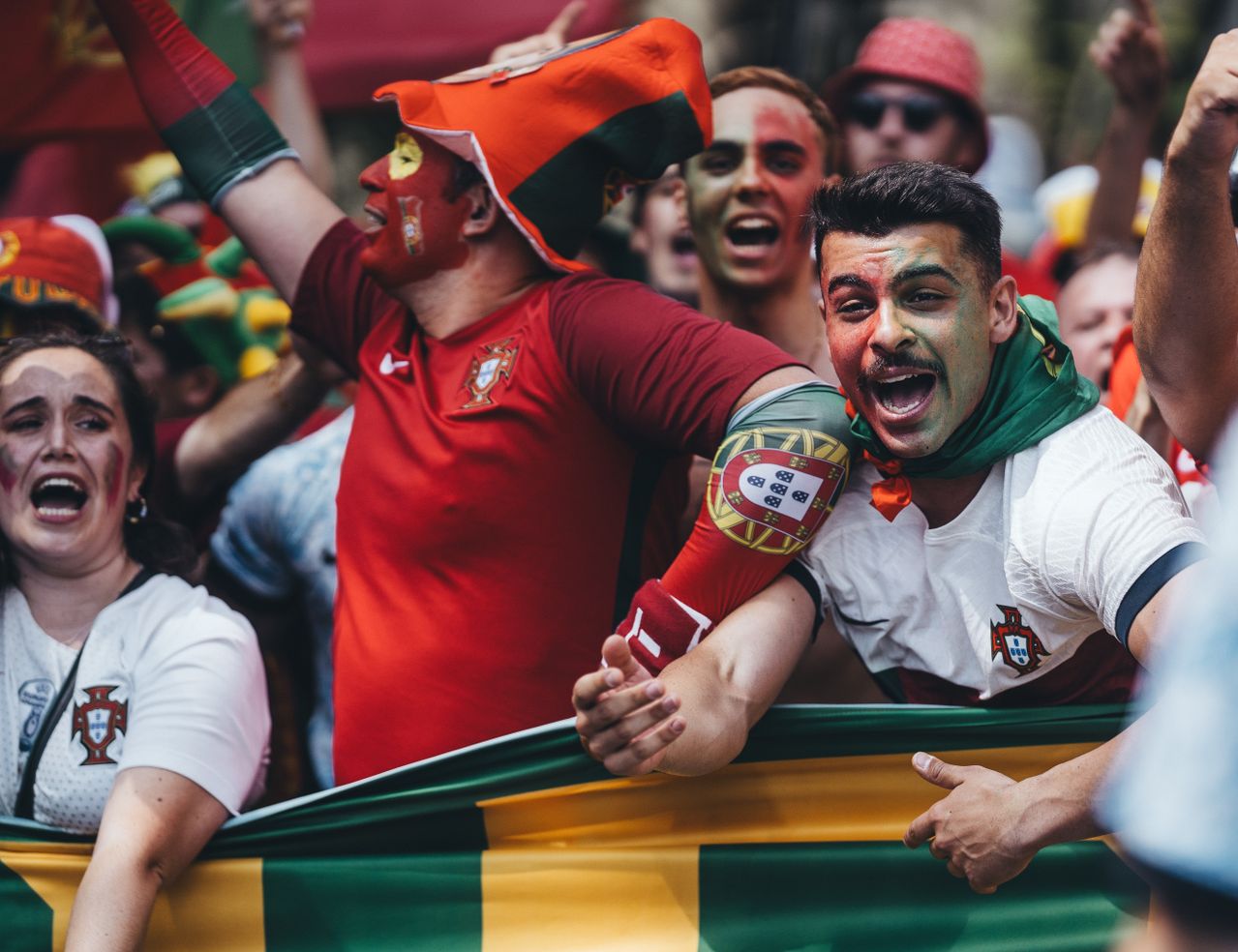
Spain faced one of their toughest tactical challenges in the Round of 16 against Portugal. Both teams defended with discipline and allowed few clear scoring opportunities throughout the match. This meant that Spain needed to remain patient rather than take unnecessary risks in search of an early breakthrough. They continued to circulate possession and waited for the right opening.
The breakthrough eventually arrived and proved enough to secure a 1–0 victory. Spain protected its narrow advantage with organised defending and calm decision-making during the closing stages. Eliminating Portugal showed that the team could succeed even when goals were difficult to find. It also confirmed that Spain could adapt to different styles of opposition on the road to the title.

Mikel Merino Scores the Late Winner Against Belgium
Belgium provided Spain with perhaps their most demanding match before the semi-finals. After Spain took the lead, Belgium responded with an equaliser that forced the contest into a tense closing period. Both sides searched for another breakthrough while remaining aware of the danger of making a costly mistake. As the match entered its final minutes, the pressure increased and extra time appeared increasingly likely.
Everything changed in the 88th minute when Pau Cubarsí drove a low effort towards goal. Goalkeeper Senne Lammens failed to gather the shot cleanly, allowing Mikel Merino to react first and score from close range. The late goal secured a dramatic 2–1 victory and sent Spain into the semi-finals. It became one of the tournament’s most memorable moments because of both its timing and importance.
Spain Completed the Perfect Finish
France entered the semi-final with one of the strongest attacks remaining in the competition. Spain therefore needed to combine defensive discipline with the confidence to continue playing its own style. The midfield controlled possession for long periods and reduced France’s opportunities to build sustained pressure. That balance allowed Spain to dictate the rhythm of the match.
A 2–0 victory sent Spain into the World Cup final for the first time since 2010. Keeping France without a goal highlighted the organisation and concentration shown throughout the squad. Spain carried that same authority into the final against Argentina, dominating possession and limiting the defending champions to their first attempt only after extra time had begun. Ferran Torres’ 106th-minute winner ultimately secured a deserved 1–0 victory and Spain’s second World Cup title.
Spain’s Path to the Championship
Spain recovered from its opening draw with Cabo Verde and quickly re-established itself as one of the tournament’s strongest teams. Possession, defensive discipline, and tactical consistency became the foundation of the campaign before hard-fought victories over Portugal and Belgium demonstrated resilience under pressure. A convincing win over France sent Spain into the final, where Ferran Torres’ extra-time winner against Argentina completed a deserved journey to the 2026 World Cup title.