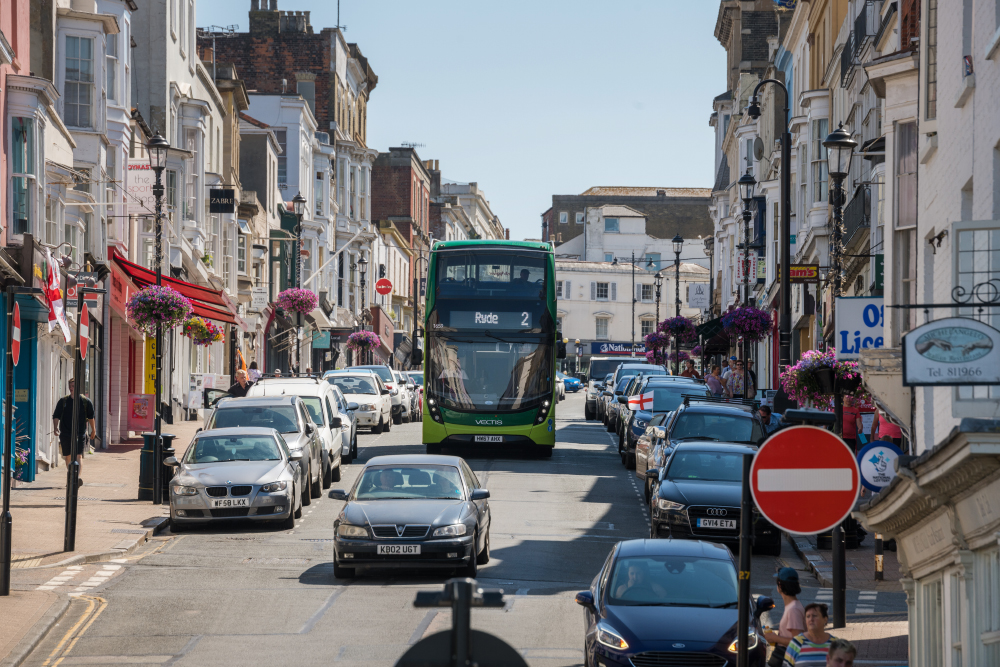

















































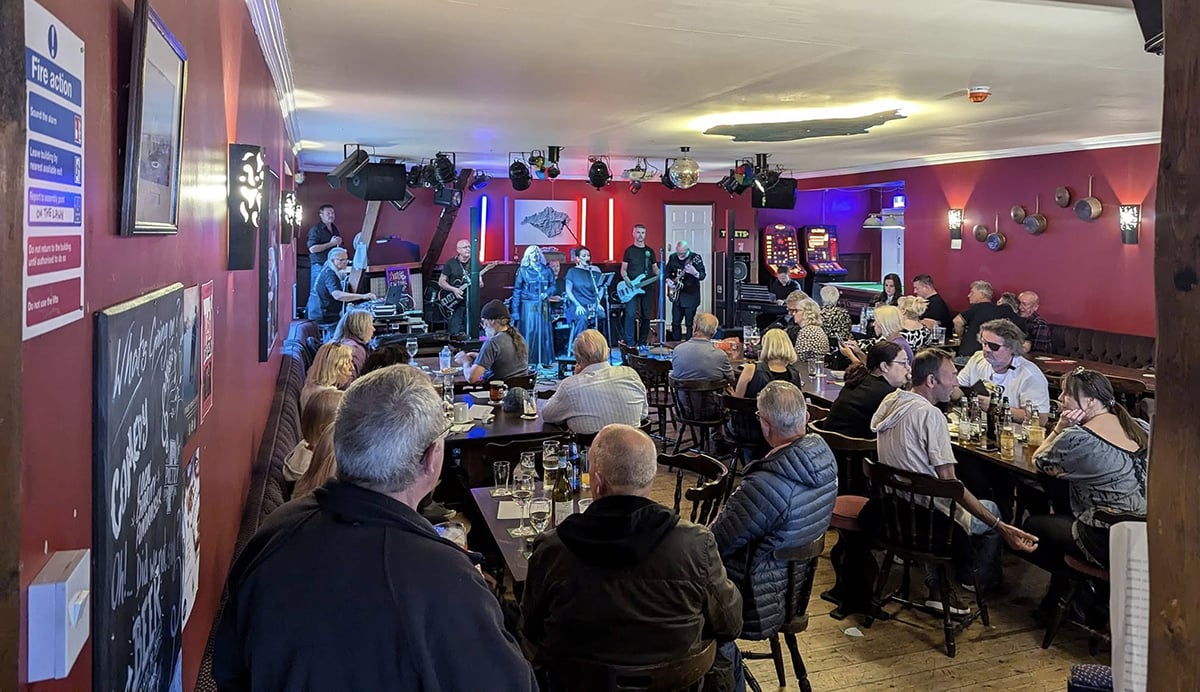

















A quiet Tuesday evening in Newport tells its own story. The shops have shut, the ferry timetables have settled into their off-peak rhythm, and across countless island living rooms the kettle goes on while somebody weighs up how to fill the hours. A film, a bit of local sport catch-up, a browse through what’s on this weekend at the pubs and community halls. This is the ordinary texture of island life — and it is precisely this everyday leisure economy that the new Hampshire and Isle of Wight Combined Authority now finds itself trying to nurture. When a fresh tier of regional government arrives with money, planning powers and ambition, the effects reach far beyond roads and housing. They ripple straight into how residents spend their downtime.
Among the fastest-growing corners of that downtime is regulated online entertainment, and the choices facing island residents there have become surprisingly involved. Deciding where to spend an evening online means weighing licensing credentials, the range of slots and live table games, sensible banking options and genuine site trustworthiness — the sort of comparison work that dedicated review resources like GameReactor exist to simplify. Its UK-focused guide to the leading online casino sites for 2026 ranks brands on bonuses, game selection, payment methods and safety, giving anyone curious about this pastime a clear, side-by-side picture rather than a leap into the unknown. For an island reader who values knowing exactly what they are signing up to, that kind of measured overview matters as much as the entertainment itself.
Why a Combined Authority Touches Leisure at All
At first glance, a body focused on transport, skills and economic strategy might seem a world away from how people amuse themselves. Yet leisure spending is one of the clearest signals of local prosperity. When the Combined Authority talks about better connectivity between Portsmouth, Southampton and the island, it is also talking about visitor numbers, hospitality trade, and the confidence that keeps residents spending on carnivals, gigs, festivals and nights out.


The island’s economy has always leaned heavily on tourism and events — from the summer carnival season in Ryde and Shanklin to the sailing crowds who descend on Cowes. A more coordinated regional strategy promises steadier funding for the infrastructure that underpins all of it. Better broadband and mobile coverage, in particular, quietly reshape how people enjoy themselves indoors as well, which is where the online entertainment sector enters the conversation.
The Digital Side of Island Downtime
Reliable connectivity is the unglamorous backbone of modern leisure. Streaming a boxset, joining a live-streamed music set, or settling in for some online gaming all depend on a connection that does not stutter halfway through. Investment channelled through the Combined Authority into digital infrastructure has a direct bearing on how satisfying these pastimes feel from a sofa in Cowes or a cottage near Godshill.
That digital shift also brings responsibilities. The wider rules governing what people watch and stream continue to tighten, with ongoing work on audience protection standards on Video-on-Demand services reflecting how seriously regulators now treat the safety of digital entertainment. For island residents, the takeaway is straightforward: the online leisure they enjoy increasingly sits within a considered framework, rather than the loosely policed early internet of memory.
Local Business Stands to Gain
The island’s small businesses have long punched above their weight. Independent cafés, seafront amusements, boutique hotels and the hospitality trade around major regattas all rely on footfall and disposable income. A Combined Authority that succeeds in lifting the regional economy tends to lift these enterprises with it, because leisure spending is one of the first things households expand when they feel financially secure.
There is a knock-on effect for the digital economy too. Money circulating through the island — whether from tourism, improved transport links or new skills funding — encourages the sort of confident spending that benefits everything from ticketed events to subscription entertainment and regulated online play. The leisure pound rarely stays in one lane. It moves fluidly between a match ticket at a local ground, a meal out after the carnival, and a quiet evening of screen-based entertainment at home.

Confidence, Consumer Rights and Safer Choices
A more prosperous, better-connected island does not just mean more spending — it means more informed spending. Residents choosing digital entertainment have real legal footing behind them, since the Consumer Rights Act 2015, CHAPTER 3 sets clear expectations for the standard and delivery of services bought online. That protection matters whether someone is booking festival passes, signing up to a streaming service, or exploring a licensed gaming site.
This is exactly why comparison and review resources have grown so useful. When people can check a service’s licensing, banking arrangements and safety record before committing, the whole leisure market becomes healthier. Informed consumers reward trustworthy operators and steer clear of dubious ones — a dynamic that suits an island community where word travels fast and reputation counts for everything.
What Islanders Might Watch For
The real test of the Combined Authority will be felt in ordinary ways: shorter ferry queues, faster broadband in rural corners, busier high streets, and a livelier calendar of events through the year. Each of these feeds the leisure economy that shapes how residents unwind, whether that means a walk along Compton Bay, a night cheering on a local side, or a considered hour of online entertainment.
The wider point is that leisure is never separate from economics. As the island settles into this new chapter of regional government, the way people fill their evenings — indoors and out — will quietly reflect how well that ambition is delivered.