











































Students from 3 Isle of Wight schools have helped identify and register a previously undocumented whale shark during a 3-week African expedition.
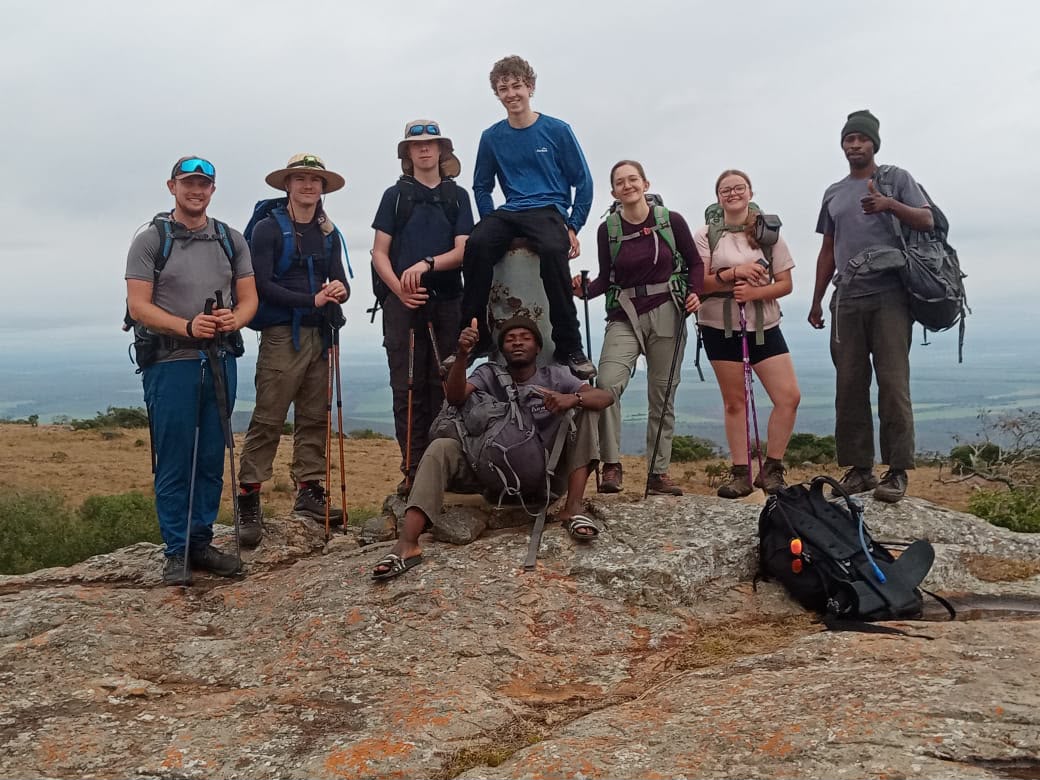
Young people from Medina College, The Island VI Form and Carisbrooke College made the discovery while taking part in a World Challenge expedition through Eswatini, South Africa and Mozambique.
The trip was organised by Medina College and The Island VI Form, with students from Carisbrooke College also invited to take part. All 3 schools are part of the HISP Multi Academy Trust.


During the marine conservation stage of the expedition in Tofo, Mozambique, students joined ocean safaris, humpback whale monitoring, beach clean-ups and microplastic surveys.
It was during one of the ocean safaris that the group had the opportunity to swim alongside a whale shark.
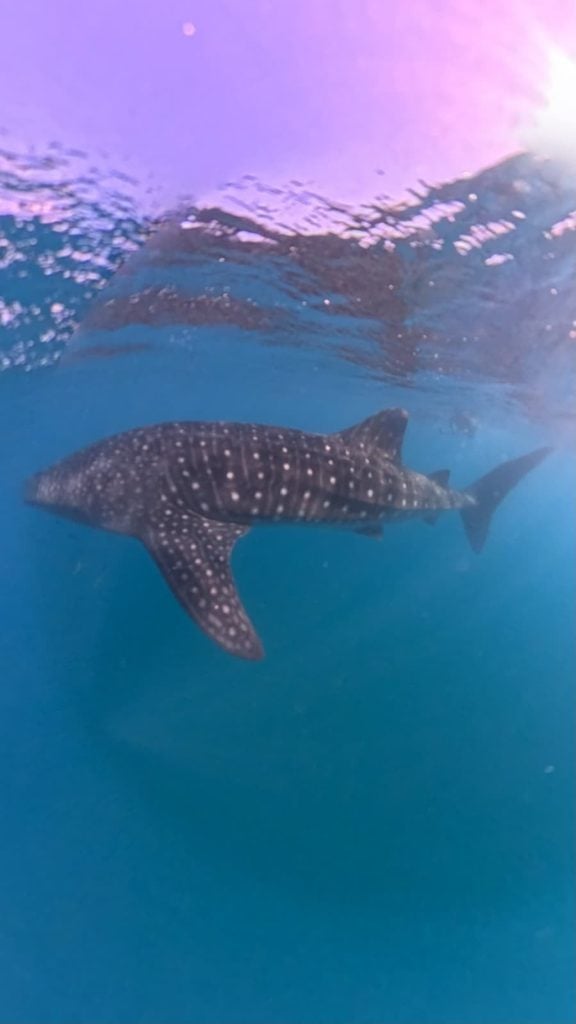
Whale sharks can be individually identified by the distinctive pattern of spots and stripes behind their gills and pectoral fins.
Photographs taken by the students were later compared against existing records and revealed that the animal had not previously been documented.

The whale shark has since been officially registered as MZ-915 Medina, meaning the Island students directly contributed to ongoing research and conservation work.
The whale shark encounter formed just one part of the expedition, which combined conservation work, cultural experiences and community projects.
The journey began in Eswatini, where students worked at Ndinda National Care Point, which provides support and cooked meals for vulnerable children.
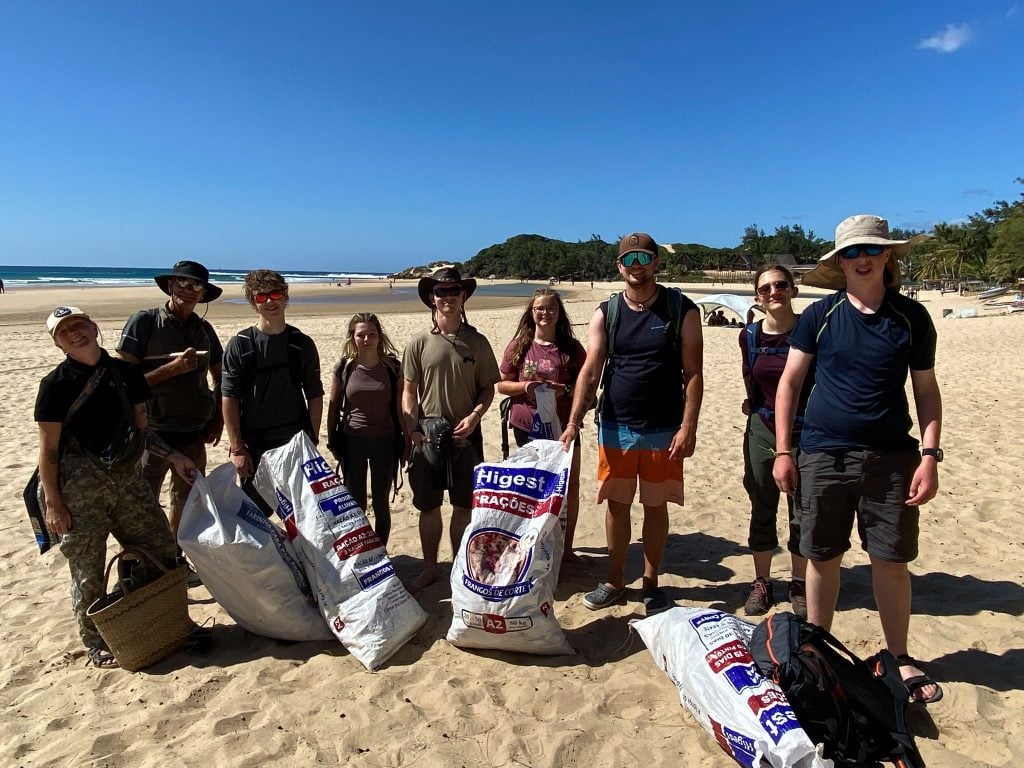
Working alongside local volunteers, the students helped dig and plant a vegetable garden and fruit trees, installed fencing to protect the area from wildlife, dug trenches to help safeguard the water supply from forest fires and cleared scrubland around the site.
Their work was praised by the project coordinator, although many of the students said spending time with the children at the end of each day was one of the most memorable parts of their stay.
The group was also treated to a traditional meal on its final evening in the community, followed by a football match against local volunteers.
Students then travelled to South Africa’s Kruger National Park, where they spent 2 days on safari before returning to Eswatini to tackle the challenging Lubombo Trail.
The trek took the group across steep and rocky terrain, while their time in the country concluded with an evening of traditional national dancing performed by local students.
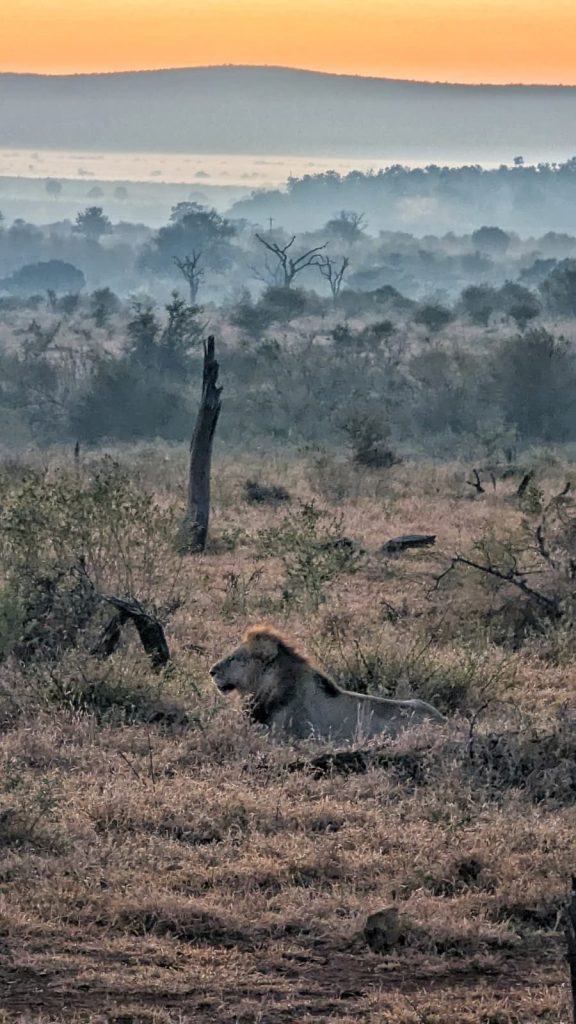
The final stage of the expedition took the group to Mozambique, where the focus switched to marine conservation and learning about the challenges facing the world’s oceans.
The trip concluded with several days in Vilanculos, including horse riding and a boat trip, before the students began their journey home.
Throughout the 3 weeks, students lived in tents, cooked over open fires and worked alongside local communities, with the expedition designed to build independence, resilience and adaptability.
Students described the experience as life-changing, with the newly registered whale shark providing one of the standout moments of the trip.