










































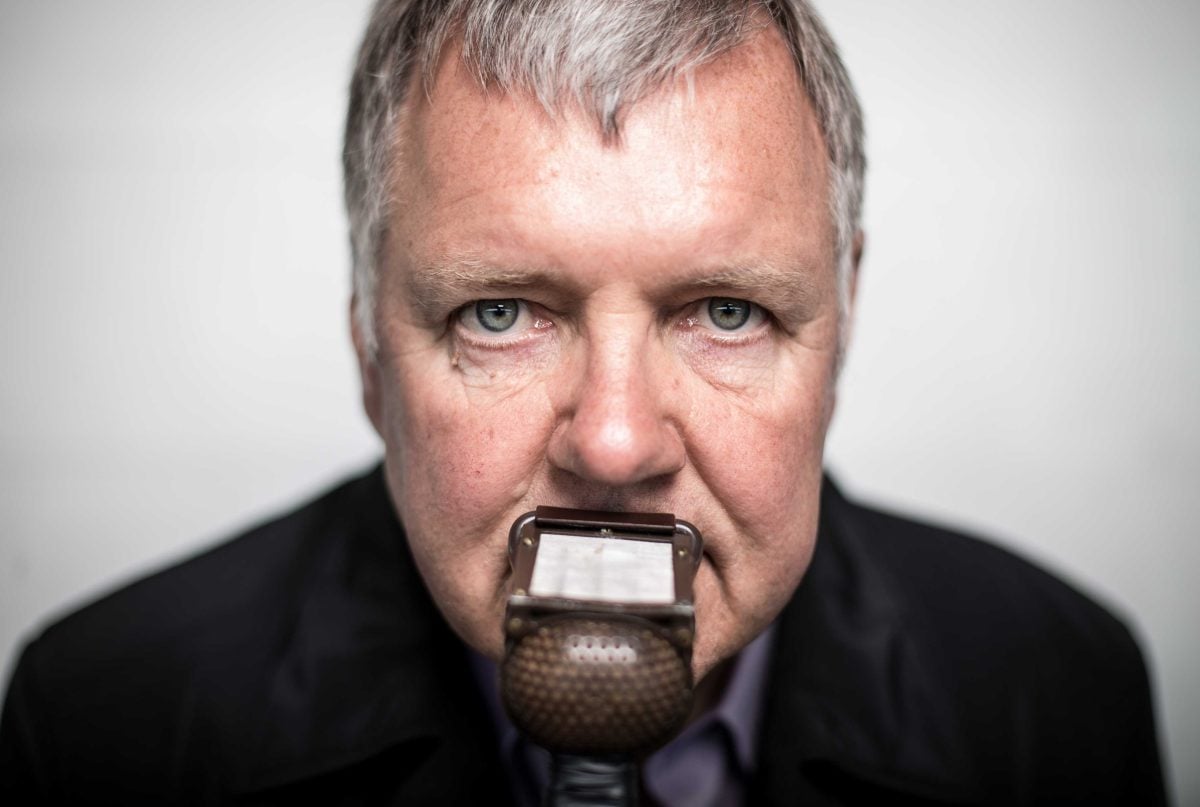


















 A leading paediatrician has this week warned the healthcare system leaves parents ‘deeply confused’ when children become ill – and the warning comes ahead of the launch of a new project called Wessex Healthier Together.
Dr Sanjay Patel, a consultant in infectious diseases based at Southampton Children’s Hospital, said ‘fragmented’ information about conditions and services often resulted in GPs and A&Es becoming the ‘default’ options for parents who are often simply seeking reassurance that their child is not severely unwell.
He spoke out ahead of the launch of Wessex Healthier Together, a project which aims to help parents recognise serious illness in their children and provides clear information on where they should seek help via a single website for health services across Hampshire, Dorset and the Isle of Wight.


Rebecca Hepworth, a community children’s nurse team leader on the Isle of Wight, is part of the project team.
Dr Patel explained:
“When parents and carers of young children are worried about a child’s health, they often find the healthcare system deeply confusing and difficult to navigate. They are unsure as to whether they should call their GP, speak to their pharmacist, go to a walk-in-centre or minor injury unit, ring NHS 111, dial 999, turn up at A&E or simply watch their child at home.”
Around 80% of children admitted to hospital as emergencies across the south either return home the same day or after a night’s stay. Meanwhile, 77% of local GPs surveyed believed more than half of the children they saw with common childhood illnesses could have been safely looked after at home without any tests or prescriptions.
The number of A&E attendances among under-18s across Hampshire, Isle of Wight & Dorset has increased by 12% since 2010.

Dr Patel said:
“Parents tell us they find it hard to know whether their child has a serious illness or not and are often just seeking reassurance – but find themselves completely confused about where to turn for clear and simple advice.
“This leaves them having to turn directly to their GP or A&E department when there may be alternatives that are better for their child and under-pressure healthcare services.”
As part of Wessex Healthier Together, which sees hospital consultants, GPs, public health experts and community nurses working alongside each other to streamline advice, the team has developed a website which contains detailed information on symptoms and details of appropriate nearby services.
In addition, the website contains printable information leaflets for parents which outline the stages of illness for a range of conditions – from abdominal pain and asthma, to head injuries and fevers – and what action should be taken before it is necessary to seek further help.
For staff, there are clinical guides as to what assessments should be carried out, what medications are required to treat various conditions and when it is appropriate to refer onto other services.
Dr Patel added:
“As healthcare professionals, we need to remove the barriers between general practice and hospital services and work together to ensure parents and families have easy access to the right information at the right time.
“Through the development of this useful online tool, we can advise parents as one group on what symptoms to look for, what action they should be taking and which organisations they should be looking to head to next.”
Visit www.healthiertogetherwessex.nhs.uk for more information.