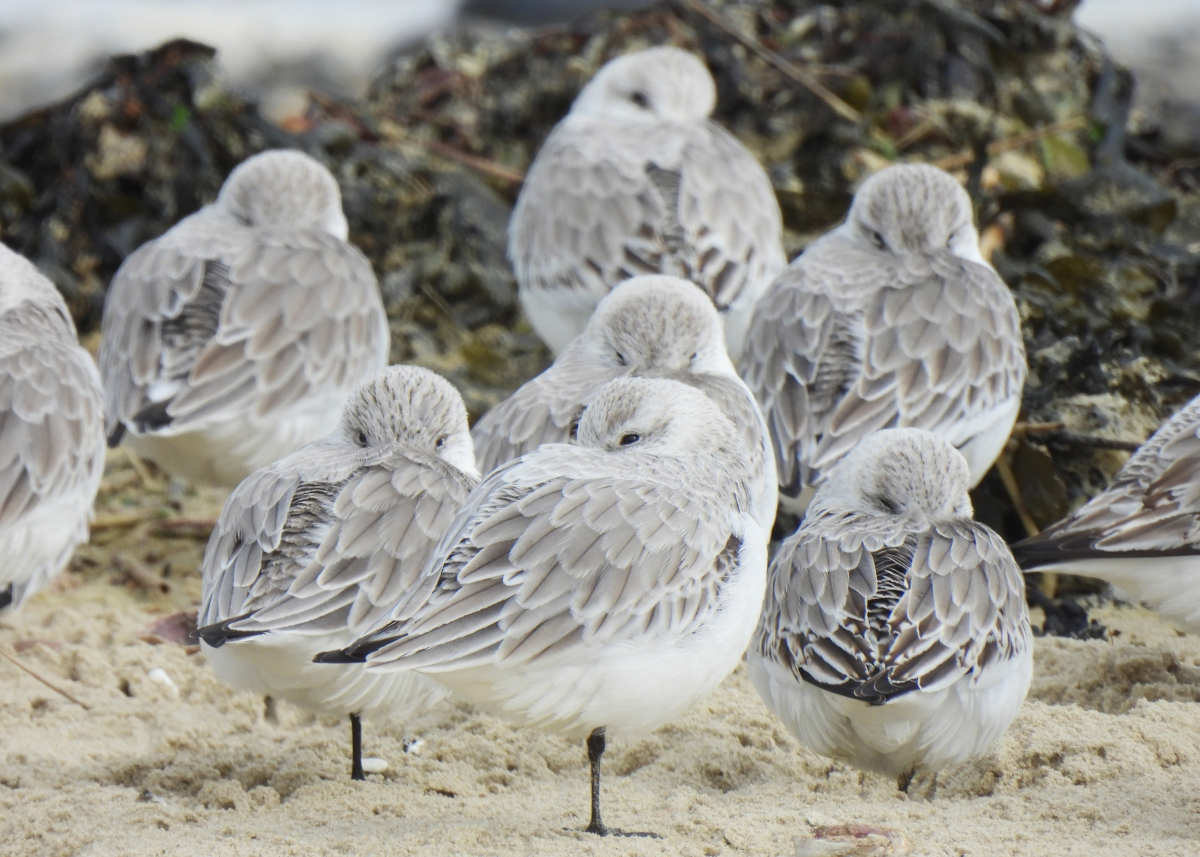























































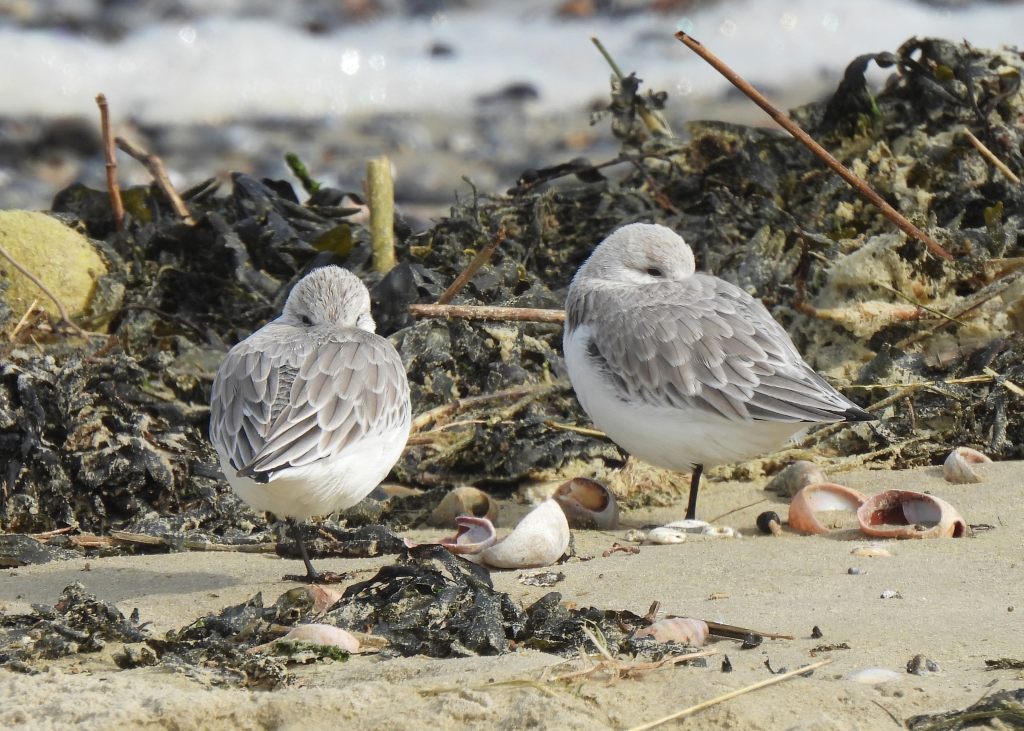
A voluntary bird protection area has been introduced on a portion of Ryde Beach amid concerns over people and dog disturbances causing declining numbers of sanderlings, which travel thousands of miles from the Arctic to spend the winter on the Isle of Wight.
The small shorebirds arrive on the Island from late September onwards, having made the long journey from breeding grounds in Siberia and Greenland to feed and rest along the coastline between Ryde and Seaview.
The stretch of coastline has historically supported nationally significant numbers of sanderlings, but numbers have been declining in recent years, with repeated disturbance from people and dogs getting too close believed to be discouraging the birds from returning.


As a result, the area has recently been downgraded in recognition of the reduced numbers.
Now, local authorities, conservation organisations and community groups have joined forces in an effort to reverse the decline and protect one of the Isle of Wight’s most remarkable winter visitors.
A voluntary Bird Protection Area has been established on the beach near the Hovertravel terminal in Ryde, with residents and visitors being asked to avoid entering the designated area between September and April.
The birds rely on the Island’s sandy shores to feed on tiny crabs and worms exposed by the waves, before retreating to quieter areas to rest.
Without undisturbed places to roost, sanderlings may struggle to survive the winter or complete their return migration to the Arctic to breed.

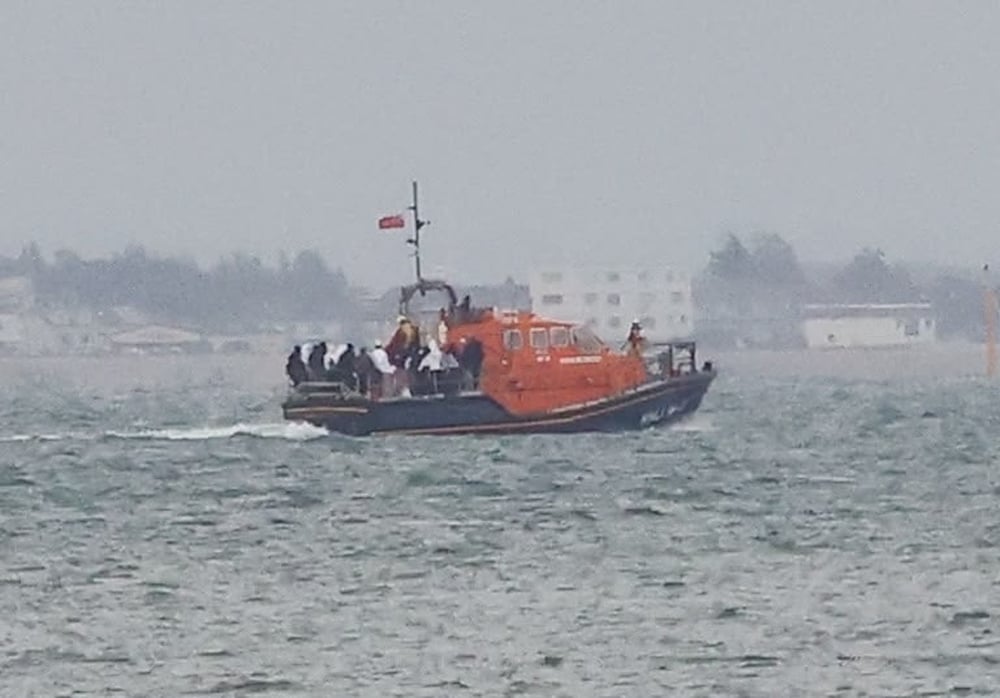
Interestingly, the birds are less troubled by the regular arrivals and departures of hovercraft than by people and dogs approaching them.
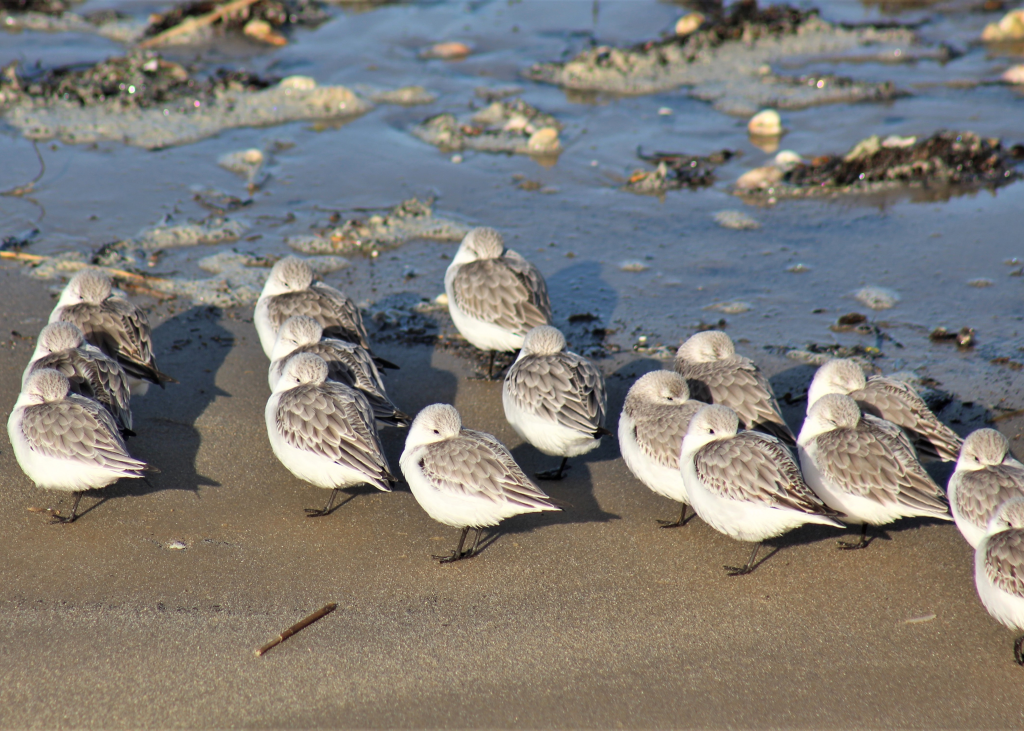
Conservationists say the predictable movements and schedules of the hovercraft mean the birds have become accustomed to their presence, while the less predictable behaviour of people and dogs can be perceived as a threat.
The new protection measures form part of the Sanderling Recovery Project, led by The Common Space in partnership with Bird Aware Solent, Ryde Town Council, the Isle of Wight Council and Natural England.
The coastline is designated as both a Site of Special Scientific Interest (SSSI) and a Special Protection Area (SPA), recognising its importance for internationally protected bird populations.
Other species relying on the same feeding and resting grounds include dark-bellied brent geese, curlews, oystercatchers and ringed plovers.
Sanderlings have also been identified as a priority ‘Champion Species’ in the Isle of Wight Local Nature Recovery Strategy.
Charlotte Goswell, Senior Ranger at Bird Aware Solent, has said:
“Sanderlings are truly remarkable birds. Every year they travel thousands of miles to spend the winter on the beaches of Ryde and Seaview, making this coastline an internationally important place for wildlife.
“The area is also a vital refuge for birds such as dark-bellied brent geese, curlews, oystercatchers and ringed plovers. By giving these birds a little space to feed and rest, local people and visitors can play a direct role in supporting one of the Isle of Wight’s most special natural assets.
“We’re grateful to everyone who supports the voluntary protection measures and helps make this area a welcoming home for sanderlings.”
As part of the project, new information boards, signs, posters and educational materials are being introduced to help residents and visitors understand the importance of protecting the birds.
These include a leaflet offering practical advice and an illustrated booklet telling the story of the sanderlings’ extraordinary migration from the Arctic to the Isle of Wight.
Protective buoys are also being deployed near Ryde Marina, with support from Ryde Town Council.
Daneen Cowling, Director at The Common Space, has said:
“The story of the sanderlings is a story that belongs to the whole community. These birds connect the Isle of Wight to some of the most remote places on Earth, travelling from Greenland and Siberia to our shores each year.
“Through the Sanderling Recovery Project, and with the support of residents, visitors and local organisations, it’s inspiring to see the power of partnerships and people coming together to celebrate them and help protect one of Ryde’s most distinctive winter visitors and make a difference to the safe space the Solent can offer roosting birds.”
Chris Turvey, Community Planning Officer at Ryde Town Council, has said:
“We’re incredibly proud that so many sanderlings choose the beaches of Ryde and Seaview as their winter home. They are part of what makes our coastline so special, and we’re delighted to play our part in protecting them.
“From displaying information boards and supporting the deployment of protective buoys near Ryde Marina, we’re pleased to be contributing in practical ways that help safeguard these important areas.
“This partnership shows what can be achieved when communities come together with a shared goal, and we encourage everyone to get involved in helping these remarkable birds continue to thrive here for many years to come.”