


























































To mark Valentine’s Day 2022, Island Echo has spoken to historian Roger Fruen to discover the true facts about Valentine Gray’s death, which took place 200 years ago.
History enthusiast Roger Fruen has carefully researched court papers and newspaper articles relating to the tragic death of the little sweep in 1822 and would like to clear up any inaccuracies in the story.
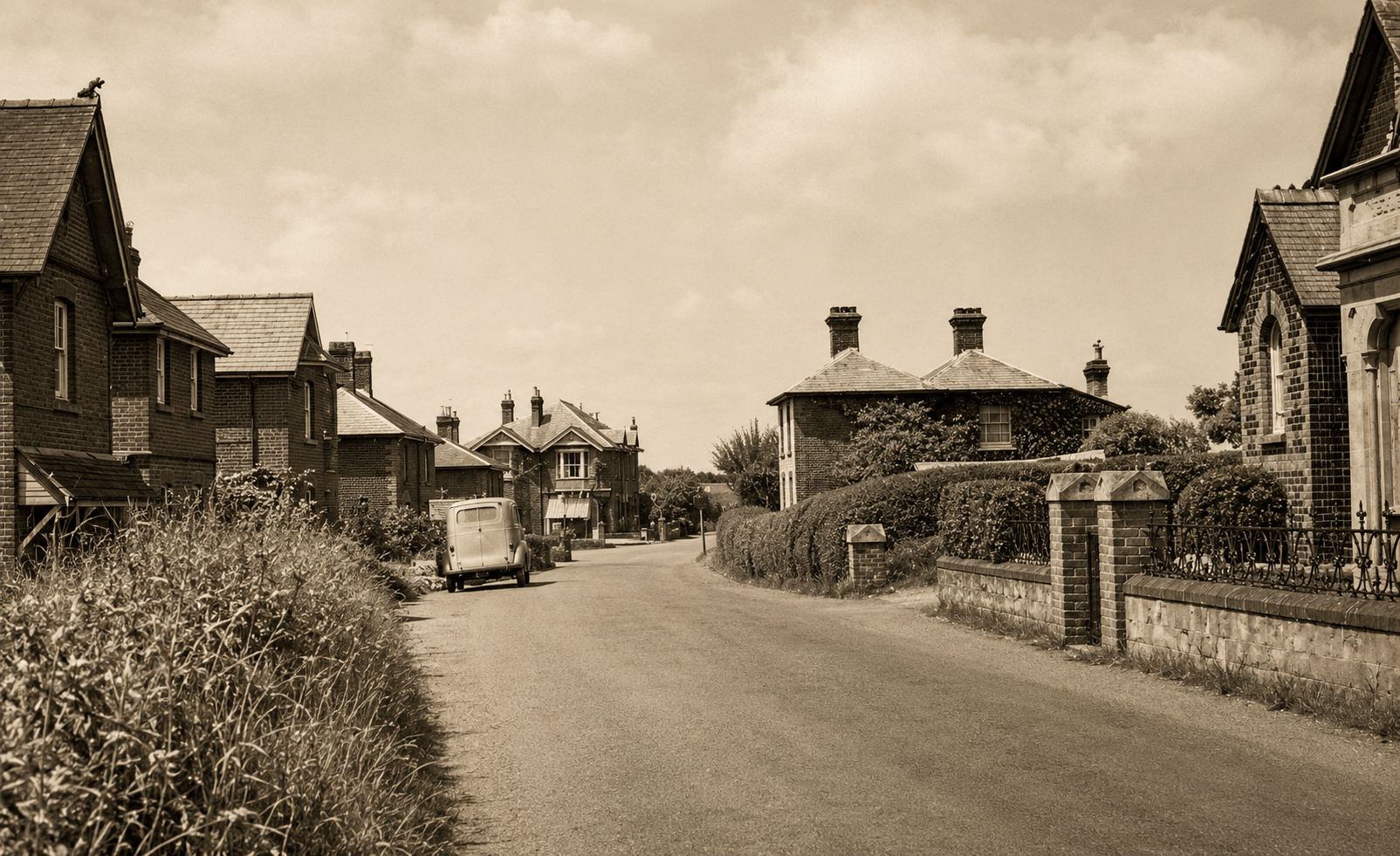
In Gray’s Walk between Scarrot’s Lane and Pyle Street in Newport there is a plaque that states the boy’s body was found in an outbuilding in Pyle Street. This is not true. The actual location of his death was a public house of ill-repute then known as “the Rum Puncheon”. This pub (which no longer exists) was located on the car park of Orchard Street, next to Newport bus station.


The memorial of his death, located at Church Litten, is also inaccurate. This memorial states that he was interred there on 5th January 1822, which is 4 weeks before he died. It should read ‘February’.
Various internet accounts of Valentine’s death have stated that Benjamin Davies, who was found guilty of his manslaughter, was sentenced to a year’s imprisonment for the crime. However, according to the court records, he was fined 1 shilling (5p in today’s money). Mr Fruen speculates that the sentence of imprisonment was to act as a deterrent, but there wasn’t any room in the prisons at that time to keep Davies incarcerated.
The facts of Valentine Gray’s tragic life are as follows. Valentine was born in 1812 in the Gosport area. His mother died when he was 6 months old, and he was left in the care of the workhouse.
In October 1821, Valentine was apprenticed to chimney sweep Benjamin Davies of Newport. He would have been made to climb and sweep chimneys as small as 12 inches wide naked. Grazes and wounds would become filled with soot and would not heal. He daily faced the risk of falling or getting stuck in the chimney.
Valentine died 3 months after coming to Newport, on 31st January 1822. An autopsy was held, and the doctor diagnosed that death had been caused by a bruise of the brain caused by a severe blow to the head. The doctor observed that there was scarcely a part of the body not covered with bruises, sores, or wounds.

An inquest was held at which Newport residents testified as to the horrific treatment they had seen meted out to Valentine by Benjamin Davies and his wife. The inquest jury returned a verdict of manslaughter.
A subsequent trial was held at Winchester. The jury heard eye-witness accounts of beatings, whippings, being doused with water unclothed and being tied on more than 1 occasion to a chair and table. Benjamin Davies was found guilty of manslaughter.
Following the trial, Davies’s daughter Elizabeth assaulted 1 of the witnesses (Mary Ann Lock) who had given evidence of Elizabeth’s father’s ill-treatment of Valentine. Elizabeth was sentenced to 1 month’s imprisonment.
Why is the tragic tale of Valentine Gray important today in the 21st century? Roger Fruen says:
“It is easy to think that this happened centuries ago and reflects a less ‘civilized’ period of this country’s history. We must not forget however, that even today, children are still beaten to death after suffering months and sometimes years of unimaginable cruelty, sometimes at the hands of parents or stepparents.
“Child labour helped power the industrial revolution in the 19th century in this country. In many parts of the world today, children continue to suffer at the hands of cruel and unscrupulous masters, just as young Valentine did all those years ago.”














So absolutely tragic.Poor darling boy.
Did you know him ?