




















































Isle of Wight residents are being encouraged to roll up their sleeves and get involved in practical conservation this Summer, with Hampshire & Isle of Wight Wildlife Trust launching a wide range of volunteering opportunities across the Island.
The wildlife charity is looking for volunteers of all ages and experience levels to support projects aimed at protecting and restoring some of the Isle of Wight’s most important habitats.
From restoring internationally important seagrass meadows in the Solent and removing invasive Himalayan Balsam along the Eastern Yar, to carrying out wildlife surveys and helping manage nature reserves, there are a variety of ways local people can make a difference.


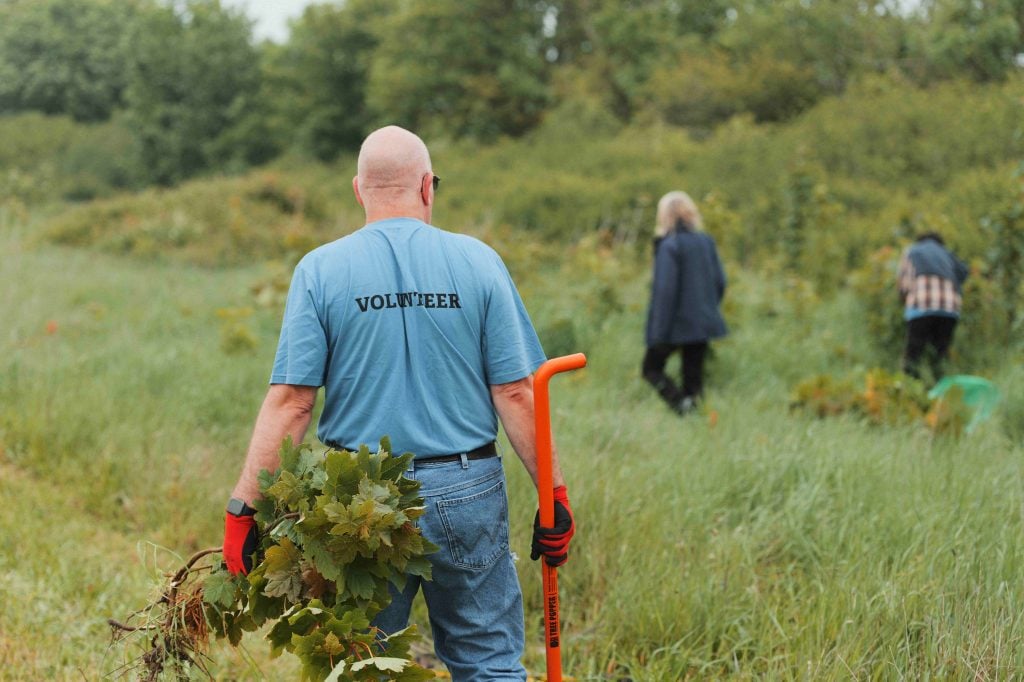
One of the Trust’s key seasonal projects is its Balsam Basher team, which meets at Alverstone Mead and other locations across the Eastern Yar catchment on Tuesdays and Fridays throughout the summer.
Volunteers help remove Himalayan Balsam – a fast-spreading non-native plant that crowds out native species and reduces biodiversity – by pulling and cutting it before it can set seed. No previous experience is required, although participants must be aged 18 or over.
Senior Nature Recovery Manager (Wilder Wight and Solent), Bea Beggs said:
“Volunteers are at the heart of our conservation work. Whether you’re collecting seagrass seed, helping us better understand how our coast is used, or tackling invasive plants along the Eastern Yar, every contribution helps wildlife and wild places.
Article continues below this advertisement “Volunteering is a great way to learn new skills, meet new people and make a real difference for nature on the Isle of Wight.”

The Trust is also recruiting volunteers for its reserve work parties, where people can take part in practical conservation tasks including habitat management, scrub clearance, coppicing, fencing and boardwalk construction. Other opportunities include livestock lookering, wildlife surveys and Reserve Warden roles.
Marine conservation also features heavily in this year’s programme.
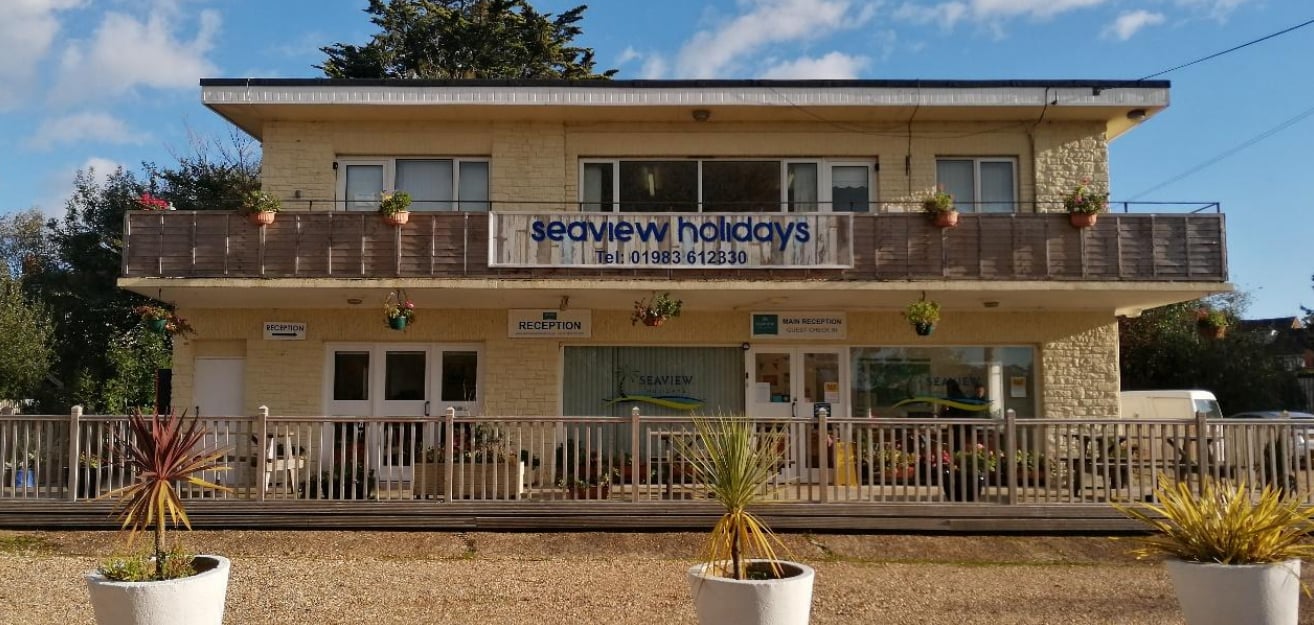
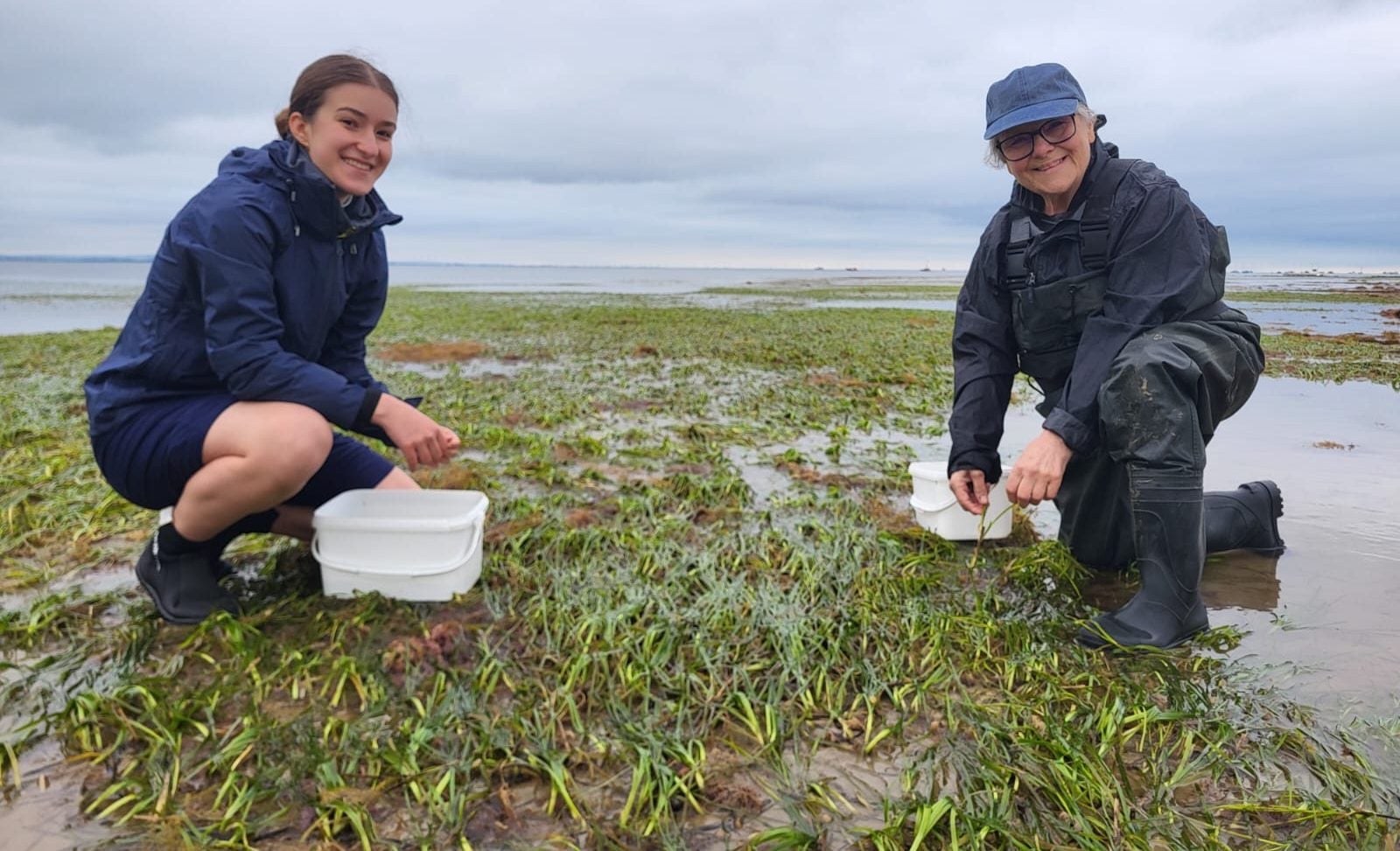
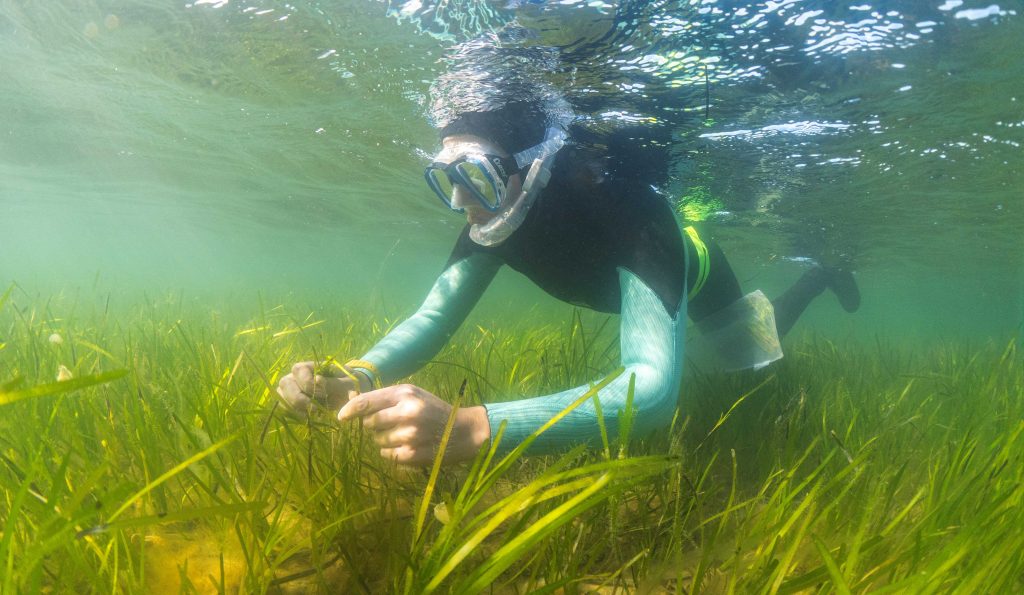
Throughout July, volunteers are being sought to help collect seagrass seed from meadows at Seaview, supporting the Trust’s ambitious restoration programme. Seagrass meadows provide vital habitat for marine wildlife, improve water quality, capture carbon and help protect coastlines from erosion, yet up to 90% have been lost across the UK over the last century.
Participants can join snorkelling or wading sessions to help gather seed that will later be used to restore seagrass beds across the Solent.
Further opportunities are available during August and September, when volunteers are needed to carry out recreational activity surveys along the Isle of Wight coastline. The surveys help gather information about how coastal areas are used, providing valuable data to support the protection of seagrass habitats.
The charity is also recruiting Isle of Wight-based Marine Champions to assist with citizen science projects, marine surveys, talks, workshops and community events. Full training is provided, and no previous experience is necessary.
The volunteering opportunities form part of the Trust’s Wilder 2030 strategy, which aims to create connected communities that play an active role in nature’s recovery.
More information about the available volunteering roles can be found on their website.














It is wonderful that volunteers are seen as so important. I think they should have equal rights with paid employees. Please give them the respect they deserve. This does not happen with all wildlife trusts.