

























































The Isle of Wight Lottery is a long-running community lottery that was created to do something quite specific; keep money and support within the island rather than sending it into a wider national system. It has been running since 2000 and is closely linked to local economic development, particularly through support for businesses, jobs, and community initiatives. It works like a traditional lottery in the sense that players can win cash prizes each week, although it is unlikely; its main purpose, though, is for entertainment and is rooted in reinvesting money back into the Isle of Wight.
How the Lottery Works
Each ticket to enter the lottery draw costs £1, and every pound spent gives the player one unique lottery number. If someone pays for multiple entries, they will simply receive additional numbers, which increases their chances of being drawn.
There is no need for players to pick numbers themselves, which keeps the system very simple. Each participant is automatically assigned a number when they join, and that same number remains active as long as they continue to play. This removes any complexity and makes it different for people who might not usually take part in more traditional number-picking games, including larger draws such as the Irish lotto.


The weekly draw is run using a secure computerised, digital system that randomly selects winning numbers from the pool of active entries. Results are checked and verified to ensure fairness, and winners are contacted directly. The numbers that were drawn are also shared publicly on different news sites, so that players can see outcomes each week.
Prize Structure and Weekly Draws
The Isle of Wight lottery operates a weekly prize system that typically includes several winning positions. There is usually a main cash prize, along with some smaller prizes, too. Amounts vary throughout the year, but it is important to remember that it is completely random and very unlikely that you will get a prize; you should play purely for entertainment.
A key point is that more than half of the money collected from ticket sales is returned to players through prizes. This ensures that the lottery remains functional while still also generating funds for its wider purpose, of helping the area.
Where the Money Goes
Unlike national lotteries, the Isle of Wight Lottery is designed specifically to benefit the immediate local area. A significant portion of the money raised is reinvested in the island’s economy, mainly through business and employment support.
One of the most important uses of the funds is the provision of interest-free loans to local businesses. These loans help companies grow, invest in more or improved equipment, or even maintain staff levels during difficult periods. Over the years, this support has helped more than 100 businesses and contributed to thousands of jobs being created or protected.

This focus on business development means the lottery acts more like a local investment tool than just a game. It supports both new start-ups and existing companies that need help expanding or stabilising.
Supporting Local Growth and Enterprise
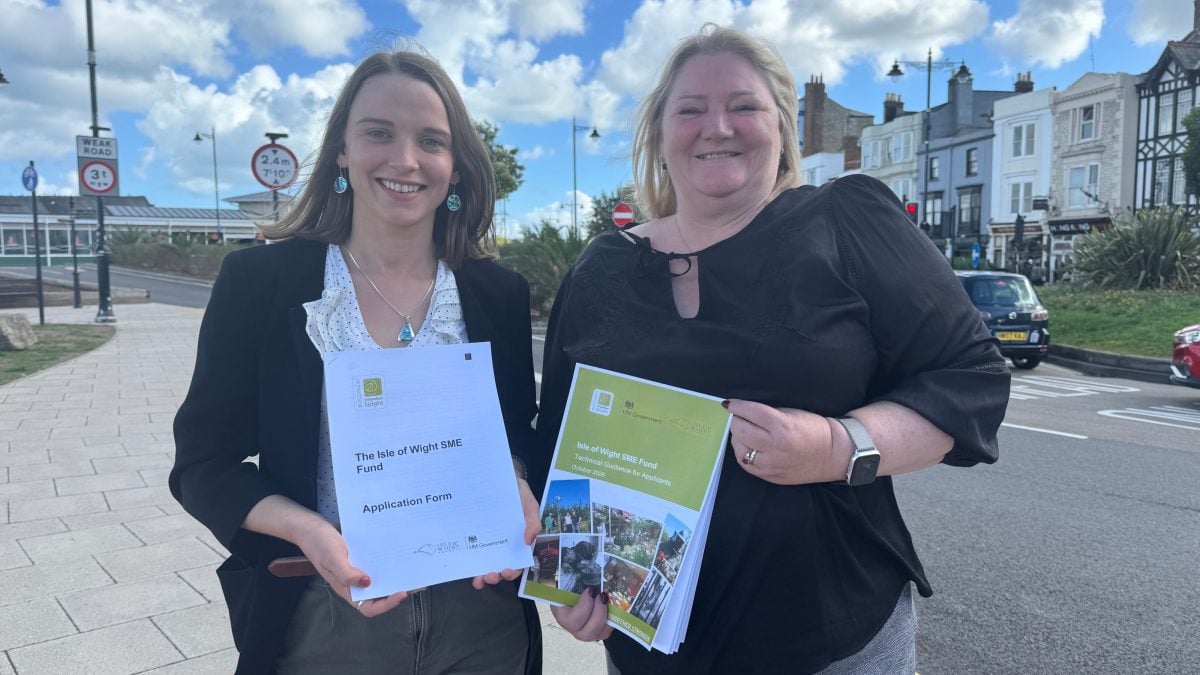
Beyond the direct loans that the Isle of Wight lottery can give, the lottery also plays an important role in wider business development on the island. It helps to fund island initiatives from supporting entrepreneurship, through things like mentoring schemes, training programmes, and networking opportunities for small businesses.
The wider strategy is not just about funding individual businesses but about strengthening the overall economic environment of the Isle of Wight. This includes encouraging job creation, improving business survival rates, and helping new ideas turn into long-term enterprises.
Rules, Fairness, and Player Protection
The Isle of Wight Lottery is fairly structured with clear rules to ensure responsible participation. This includes some restrictions on who can enter, including on employees involved in running the lottery and their immediate families. The system is designed to be simple and transparent, with no complicated betting mechanics or hidden costs. This protects the players who are paying for the entertainment and to enter the draws.
Draws are carried out using a randomised system, and results are independently checked to ensure fairness. Winners are contacted directly, and outcomes are also published, so there is public visibility of the results process.
Why Does The Model Work?
What makes the Isle of Wight Lottery different from national lotteries is the way it connects entertainment with local impact. Instead of money being distributed nationally, everything is focused on one geographic area. This creates a very clear link between participation and visible results within the community.
Residents who take part know that their money is helping support local jobs and businesses, which gives the lottery a stronger sense of purpose compared to national models. It also helps build a cycle where community participation directly feeds back into community development.
Over time, this approach has helped strengthen local infrastructure and provided support in areas where traditional funding can be harder to access.
Conclusion
The Isle of Wight Lottery is a locally focused system which is carefully designed to support the Isle of Wight more generally by having good causes on the island with the funds generated by the lottery. With a simple entry system, regular draws, and a clear commitment to local development, it operates as both an entertainment lottery and as a funding mechanism for the wider community.
The long-term impact of the lottery can be seen in the businesses it has supported and the jobs it has helped sustain.