


























































Scottish and Southern Electricity Networks (SSEN) is helping to support vital marine restoration work through £800,000 of funding to Project Seagrass, supporting seagrass planting across three hectares in the Solent and Isle of Wight.
The investment forms part of SSEN’s commitment to supporting nature-based solutions and biodiversity restoration in the communities it serves and contributes to a wider ambition to plant seagrass across 17 hectares. This restoration will be carried out across SSEN’s central southern England and north of Scotland operating areas, helping to revitalise important seagrass habitats and support coastal ecosystems.
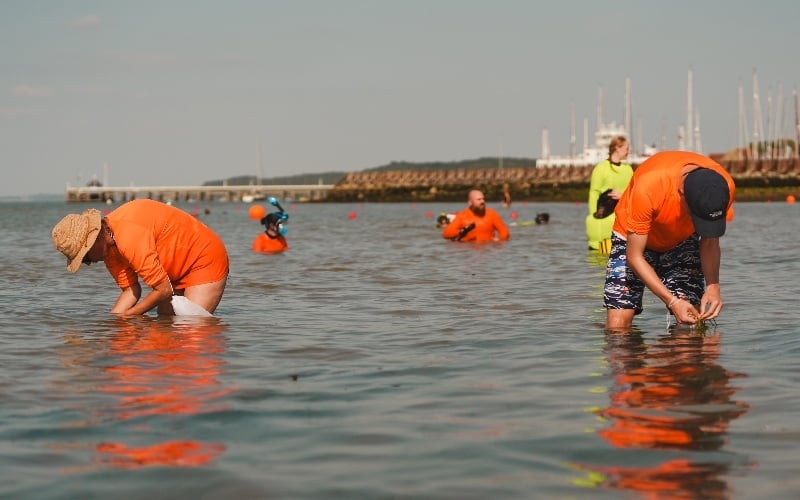
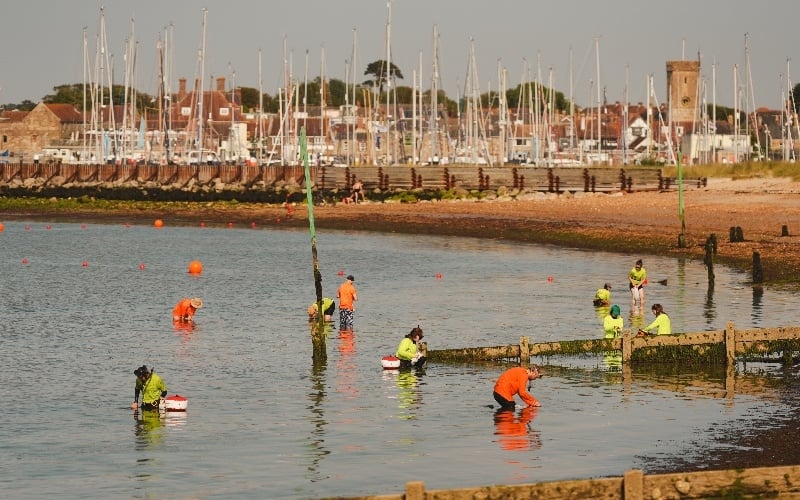
Over the summer months, SSEN colleagues have also taken part in volunteering days on the Isle of Wight, working alongside project partner Project Seagrass to harvest seeds from existing seagrass meadows. The seeds are currently being processed ahead of storage at the Project Seagrass seagrass nursery, where they will remain ahead of planting next spring. This approach helps improve the number of viable seedlings and gives the restored meadows the best chance to establish successfully.


Shirley Robertson, SSEN’s Head of Strategic Planning and Sustainability, says:
“Sustainability is about taking practical action that delivers lasting benefits for people, places and the natural environment.
“By supporting Project Seagrass, and by giving our colleagues the opportunity to volunteer directly with restoration teams, SSEN is helping to protect and restore vital coastal habitats while deepening our own understanding of the ecosystems connected to the communities we serve.”
The partnership and its restoration work was showcased at ReMeMaRe 2026, the Restoring Meadow, Marsh and Reef conference, which took place in Scarborough recently. Bringing together restoration practitioners, government bodies, environmental organisations, industry and academia, the conference enables them to share research, best practice and practical learning on the recovery of estuarine, coastal and marine environments, including seagrass habitats.
Anoushka Mendzil, Senior Science Officer and Restoration Lead for the Solent and Isle of Wight, adds:

“Restoring seagrass habitat at scale requires significant collaboration. This partnership brings together funding, scientific expertise, industry partners as well as community engagement to help seagrass recovery in the Solent.
“By investing in nature recovery through seagrass restoration, we’re helping to provide lasting benefits for coastal communities, marine wildlife and climate change.”
Seagrass meadows are among the UK’s most important but threatened marine habitats. These underwater meadows provide food and shelter for wildlife, act as nursery grounds for marine species, help improve water quality and can support coastal protection by reducing wave energy.
They also play an important role in tackling climate change, with their leaves and roots storing carbon in sediments. Protecting and restoring seagrass therefore supports both biodiversity and climate resilience, while helping coastal communities adapt to the increasing risks of storms, flooding and erosion.
For SSEN, involvement in projects like this is an important part of delivering responsible, sustainable infrastructure. As the distribution network operator serving communities across central southern England and the north of Scotland, SSEN recognises that supporting nature recovery, encouraging employee volunteering and sharing learning with partners all help build more resilient places for the future.
By combining funding, hands-on volunteering and participation in knowledge-sharing forums such as ReMeMaRe, SSEN is helping to accelerate practical environmental action and support the collaboration needed to restore valuable coastal habitats at scale.
More information on SSEN’s work with Project Seagrass is available in this short video, which you are welcome to use online – SSEN & Project Seagrass.